THE ADVENTURE COLLECTIVE® · Independent discovery and booking for outdoor travel

Spend a private day at Dunhuang’s Mogao Grottoes with a translator and driver, then choose two signature sites like Mingsha Mountain and the Crescent Moon Pool. This flexible tour pairs world-class Buddhist art with desert scenery and local culture.
Spend a private day at Dunhuang’s Mogao Grottoes with a translator and driver, then choose two signature sites like Mingsha Mountain and the Crescent Moon Pool. This flexible tour pairs world-class Buddhist art with desert scenery and local culture.
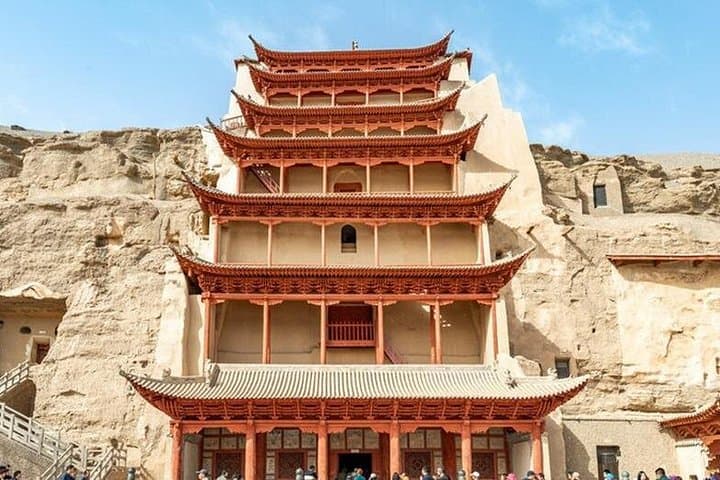
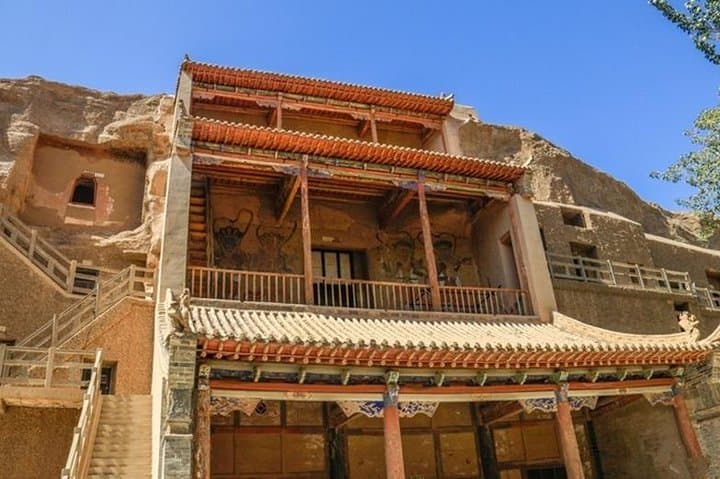
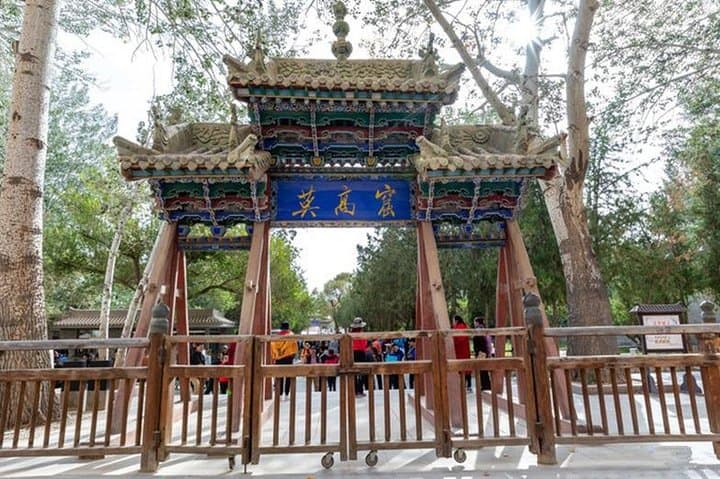
You arrive before dawn in the low, dry light of the Gobi; the road to Mogao slices across wind-polished plains and the air smells faintly of sand. At the visitors’ center, a translator-guide briefs you, then leads the group into a cool cave where centuries-old pigments hold their silence—gold threads, turquoise halos, and stucco Buddhas that seem to breathe under tempered museum lights.
Verified experiences and guided adventures in the surrounding area.
Operated by Jeff Ning China Tour · Dunhuang, Gansu
You arrive before dawn in the low, dry light of the Gobi; the road to Mogao slices across wind-polished plains and the air smells faintly of sand. At the visitors’ center, a translator-guide briefs you, then leads the group into a cool cave where centuries-old pigments hold their silence—gold threads, turquoise halos, and stucco Buddhas that seem to breathe under tempered museum lights.
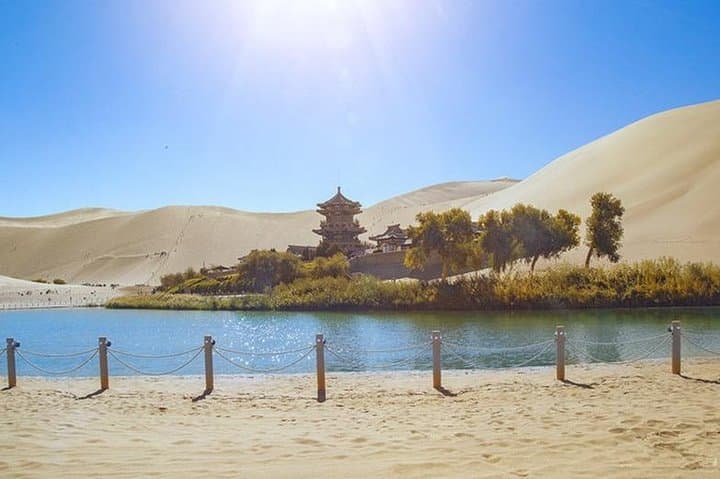
The Mogao Caves began in the 4th century as a frontier monastery on the Silk Road and filled over a millennium with murals and sculptures reflecting Indian, Persian and Chinese influences. Geologically, the site sits on an alluvial fan at the edge of the Gobi; wind-carved ridges and dunes define the approach, and the Crescent Moon Pool below Mingsha Mountain offers a stark oasis contrast. Nearby cultural notes: Dunhuang’s nightly market keeps caravan-era flavors alive, while the Yulin and nearby yardang landscapes tell the story of erosion and human passage.
Practically, this is an eight-hour private day tour with hotel pickup, a driver and translator, and a guided cave visit where you’ll typically see 7–9 caves up close. Admission fees are paid on-site. Expect steps, low light, and short, controlled viewing windows to protect fragile pigments—no flash photography.
Bring sun protection, carry water, and budget time for dune walking if you choose Mingsha Mountain. The day is flexible: pick two afternoon sites based on your interest in history, geology, or a desert sunset over the Crescent Moon Pool.
easy.
8 hours.
Basic mobility required: walking between visitor center, caves and short dune climbs; not strenuous but involves stairs and standing during cave visits.
No—admission is paid on-site; the tour provides pickup, guide and car but not cave tickets.
Typically a professional cave guide leads you into about 7–9 caves in a controlled, timed visit to protect artworks.
Photography without flash and without tripods may be allowed in some areas, but flash is prohibited and rules vary—follow your guide’s instructions.
The tour is rated easy but involves stairs and low-light cave interiors; it’s not recommended for travelers with serious spinal or cardiovascular issues.
Mogao sits at a Silk Road crossroads: cave art from the 4th–14th centuries records trade, pilgrimage and cultural exchange between China and the West.
Cave pigments are extremely fragile; visitor numbers and interior conditions are managed tightly—respect restrictions, avoid flash photography and stay on marked paths.
Jeff Ning China Tour operates guided outdoor trips and adventures with an emphasis on safety, stewardship, and memorable experiences.
You arrive before dawn in the low, dry light of the Gobi; the road to Mogao slices across wind-polished plains and the air smells faintly of sand. At the visitors’ center, a translator-guide briefs you, then leads the group into a cool cave where centuries-old pigments hold their silence—gold threads, turquoise halos, and stucco Buddhas that seem to breathe under tempered museum lights.
You arrive before dawn in the low, dry light of the Gobi; the road to Mogao slices across wind-polished plains and the air smells faintly of sand. At the visitors’ center, a translator-guide briefs you, then leads the group into a cool cave where centuries-old pigments hold their silence—gold threads, turquoise halos, and stucco Buddhas that seem to breathe under tempered museum lights.
The Mogao Caves began in the 4th century as a frontier monastery on the Silk Road and filled over a millennium with murals and sculptures reflecting Indian, Persian and Chinese influences. Geologically, the site sits on an alluvial fan at the edge of the Gobi; wind-carved ridges and dunes define the approach, and the Crescent Moon Pool below Mingsha Mountain offers a stark oasis contrast. Nearby cultural notes: Dunhuang’s nightly market keeps caravan-era flavors alive, while the Yulin and nearby yardang landscapes tell the story of erosion and human passage.
Practically, this is an eight-hour private day tour with hotel pickup, a driver and translator, and a guided cave visit where you’ll typically see 7–9 caves up close. Admission fees are paid on-site. Expect steps, low light, and short, controlled viewing windows to protect fragile pigments—no flash photography.
Bring sun protection, carry water, and budget time for dune walking if you choose Mingsha Mountain. The day is flexible: pick two afternoon sites based on your interest in history, geology, or a desert sunset over the Crescent Moon Pool.