THE ADVENTURE COLLECTIVE® · Independent discovery and booking for outdoor travel

Spend a private day among Lebanon’s ancient cedars, visit the Gibran gallery in Bsharri, and descend into the dramatic Qadisha (Qozhaya) Valley. This full-day tour blends short hikes, cultural stops, and sweeping mountain views.
Spend a private day among Lebanon’s ancient cedars, visit the Gibran gallery in Bsharri, and descend into the dramatic Qadisha (Qozhaya) Valley. This full-day tour blends short hikes, cultural stops, and sweeping mountain views.
A blue sky opens over the highlands as the road climbs out of the coastal plain and into Lebanon’s limestone shoulders. You arrive at the Cedars of God and the air changes—cold, resin-scented, and threaded with age. Ancient cedrus libani trunks rise like weathered columns; the forest leads you through rutted paths and small wooden viewing platforms where guides point out tree rings and old monastery ruins.
Verified experiences and guided adventures in the surrounding area.
Operated by DAVE LEBANON DMC · Bsharri, North Governorate
A blue sky opens over the highlands as the road climbs out of the coastal plain and into Lebanon’s limestone shoulders. You arrive at the Cedars of God and the air changes—cold, resin-scented, and threaded with age. Ancient cedrus libani trunks rise like weathered columns; the forest leads you through rutted paths and small wooden viewing platforms where guides point out tree rings and old monastery ruins.
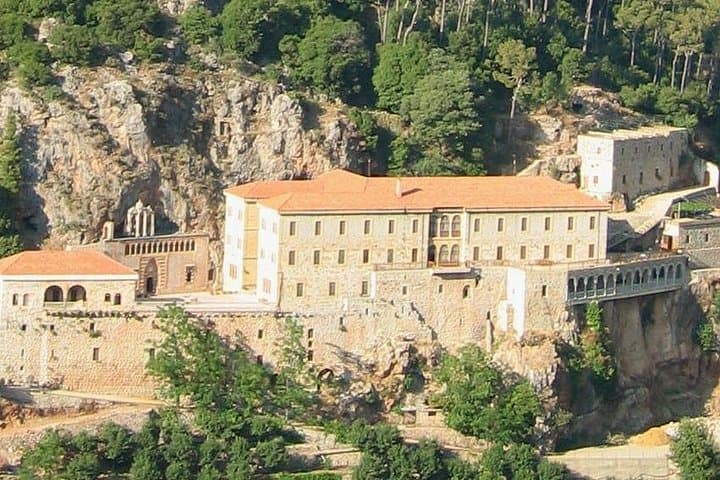
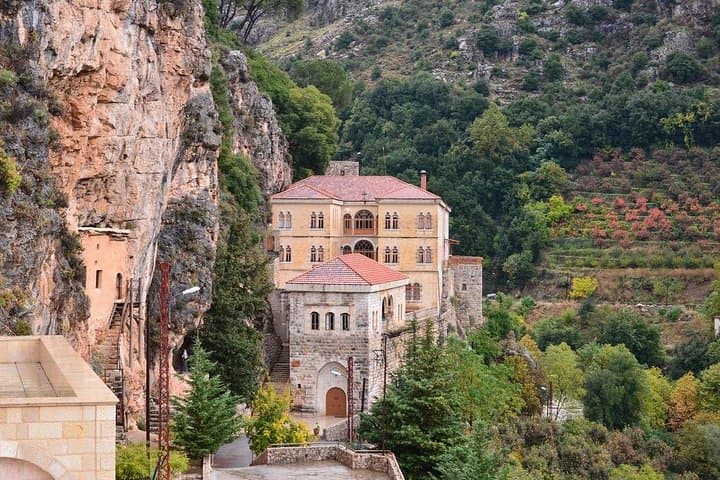
This day tour stitches together natural history and human stories. The cedars—one of the oldest living symbols of Lebanon—survived millennia of climate and human use; nearby Bsharri (Bcharre) is the birthplace of Gibran Khalil Gibran, whose gallery occupies a rock-hewn monastery. Downriver, the Qadisha (Qozhaya) Valley cuts a deep gorge carved into Jurassic limestone, where Byzantine and Maronite hermitages cling to cliffs and waterfalls dare you to look over the rail.
Expect moderate walking on uneven earth and short paved stretches in village centers. Guides typically provide historical context, local myths, and safe access to viewpoints; observe quiet at religious sites. Timing matters: spring brings cascades, summer keeps trails dry, autumn colors the scrub, and winter can close higher roads with snow.
Practical: wear sturdy hiking shoes, layers for wind and shade, bring 1–2 liters of water and sun protection, and allow 5–8 hours for a private full-day circuit with hotel pickup. Respect trail signs, carry out trash, and keep voices low in sacred spaces—the landscape rewards patience with clear, expansive views and an immediate sense of place.
moderate.
5–8 hours.
Suitable for people who can walk 2–5 miles over uneven ground and climb short steps; not technical but requires steady balance.
The operator lists the duration as roughly 5–8 hours including transfers, stops, and short walks at each site.
No technical climbing is required; walks are moderate with uneven forest surfaces and short inclines—good shoes recommended.
Admission to the Cedars and Gibran gallery is typically included; confirm with the provider for any seasonal closures or special exhibits.
Yes—it's marketed as suitable for all fitness levels, but expect some standing and short hikes; notify the operator about mobility needs or infants.
The Cedars of God have cultural significance dating back millennia—cedar wood was prized by ancient Egyptians and Phoenicians; the Qadisha Valley became a refuge for Christian monastic communities during the Byzantine era.
The cedar forest is a protected site with ongoing reforestation and anti-logging efforts; visitors are asked to stay on paths and avoid removing plant material.
DAVE LEBANON DMC operates guided outdoor trips and adventures with an emphasis on safety, stewardship, and memorable experiences.
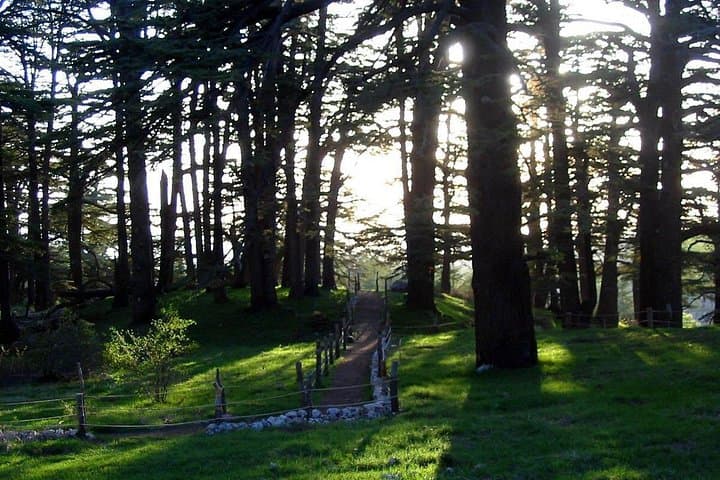
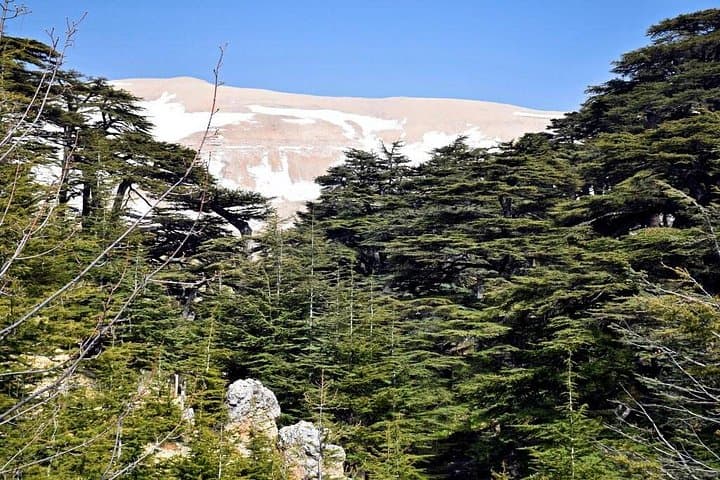
A blue sky opens over the highlands as the road climbs out of the coastal plain and into Lebanon’s limestone shoulders. You arrive at the Cedars of God and the air changes—cold, resin-scented, and threaded with age. Ancient cedrus libani trunks rise like weathered columns; the forest leads you through rutted paths and small wooden viewing platforms where guides point out tree rings and old monastery ruins.
A blue sky opens over the highlands as the road climbs out of the coastal plain and into Lebanon’s limestone shoulders. You arrive at the Cedars of God and the air changes—cold, resin-scented, and threaded with age. Ancient cedrus libani trunks rise like weathered columns; the forest leads you through rutted paths and small wooden viewing platforms where guides point out tree rings and old monastery ruins.
This day tour stitches together natural history and human stories. The cedars—one of the oldest living symbols of Lebanon—survived millennia of climate and human use; nearby Bsharri (Bcharre) is the birthplace of Gibran Khalil Gibran, whose gallery occupies a rock-hewn monastery. Downriver, the Qadisha (Qozhaya) Valley cuts a deep gorge carved into Jurassic limestone, where Byzantine and Maronite hermitages cling to cliffs and waterfalls dare you to look over the rail.
Expect moderate walking on uneven earth and short paved stretches in village centers. Guides typically provide historical context, local myths, and safe access to viewpoints; observe quiet at religious sites. Timing matters: spring brings cascades, summer keeps trails dry, autumn colors the scrub, and winter can close higher roads with snow.
Practical: wear sturdy hiking shoes, layers for wind and shade, bring 1–2 liters of water and sun protection, and allow 5–8 hours for a private full-day circuit with hotel pickup. Respect trail signs, carry out trash, and keep voices low in sacred spaces—the landscape rewards patience with clear, expansive views and an immediate sense of place.