THE ADVENTURE COLLECTIVE® · Independent discovery and booking for outdoor travel

A full-day private tour from Athens that combines the engineering drama of the Corinth Canal, the commanding views and ruins of Acrocorinth, and a swim among ancient stones at the Heraion. Practical, historical, and ideal for travelers who want both coastal scenery and archaeology.
A full-day private tour from Athens that combines the engineering drama of the Corinth Canal, the commanding views and ruins of Acrocorinth, and a swim among ancient stones at the Heraion. Practical, historical, and ideal for travelers who want both coastal scenery and archaeology.
You step out of the vehicle into a wind that carries sea salt and history—the narrow cut of the Corinth Canal glares like a modern scar through rock while the Lechaion coast glitters beyond. The tour threads between distinctive chapters: a 19th-century engineering marvel, a monolithic acropolis, and a coastal sanctuary where ruins meet clear water.
Verified experiences and guided adventures in the surrounding area.
Operated by Ancient Greece Tours & Transfers · Corinth, Corinthia
You step out of the vehicle into a wind that carries sea salt and history—the narrow cut of the Corinth Canal glares like a modern scar through rock while the Lechaion coast glitters beyond. The tour threads between distinctive chapters: a 19th-century engineering marvel, a monolithic acropolis, and a coastal sanctuary where ruins meet clear water.
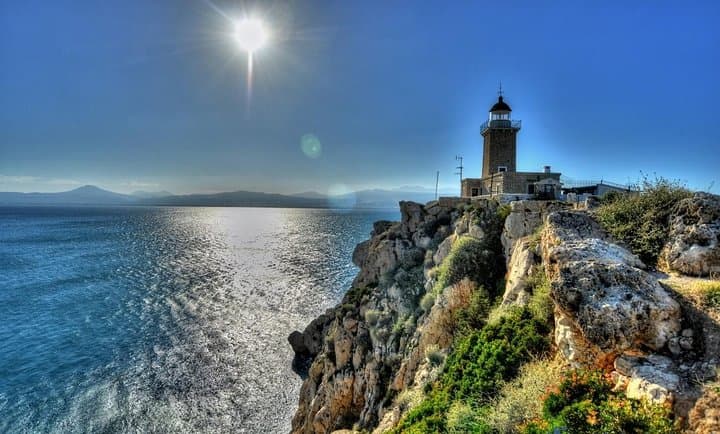
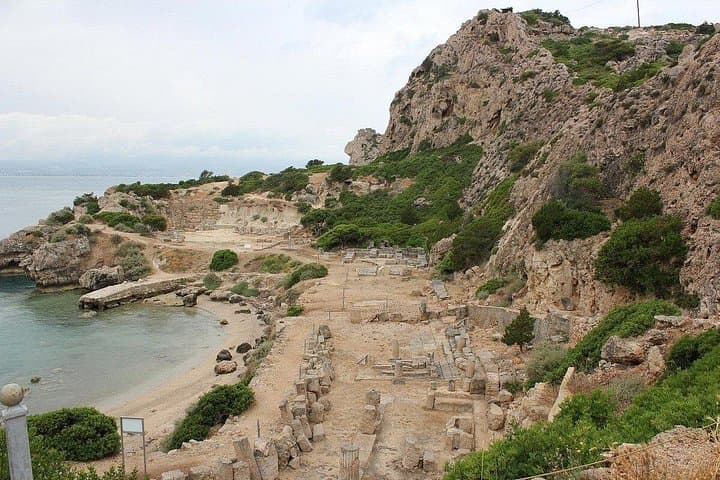
Acrocorinth dominates the skyline: a fortified rock with circuit walls, cisterns and the ruins of a Frankish keep. Below, Ancient Corinth unfolds as an organised grid of agora, bema and one of the earliest Doric temples—Apollo’s monolithic columns date to around 560 BCE. The Heraion at Perachora, with its small lighthouse and the so-called Blue Lake, registers a different archaeology—sanctuary space where worship, sea and commerce intersected.
Geology is visible in the limestone cliffs, karst springs like Peirene, and the deep channel of the Isthmus Canal, cut through narrow land to link gulfs. Culture here is layered: Mycenaean roots, Greek civic life, Roman administration and later Byzantine and Ottoman phases; St. Paul’s letters give the site a living script in Christian history.
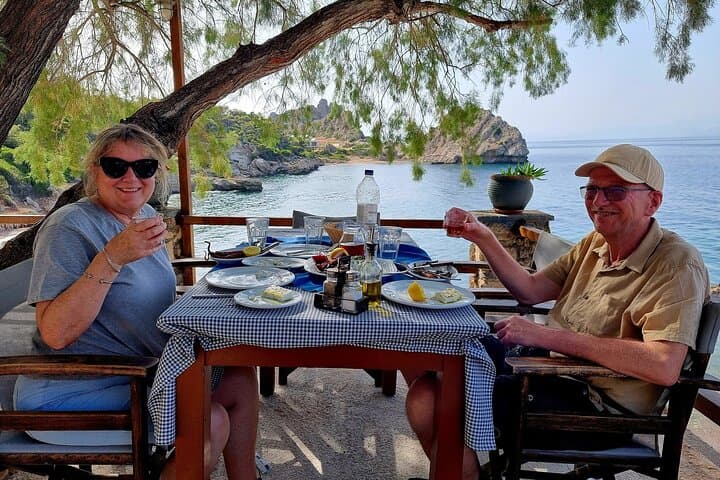
Practical guidance: wear grippy shoes for uneven stone and short climbs at Acrocorinth, pack sun protection and a swim kit for a clear, sheltered swim at Heraion, and bring cash for small tavernas. Expect a full 9-hour day with pickup from Athens, moderate walking on archaeological surfaces, and chances for photos at dramatic overlooks. Respect archaeological signage—don’t climb fragile ruins—and time swims around the heat of midday for safety.
moderate.
8–9 hours.
Moderate fitness—comfortable walking, short steep sections and stairs; not technically strenuous.
Yes; most bookings include hotel, Airbnb or port pickup and drop-off within Athens city limits.
Entry to some sites may require local admission fees—confirm with the operator before travel; the itinerary notes public-site visits where admission may be paid on arrival.
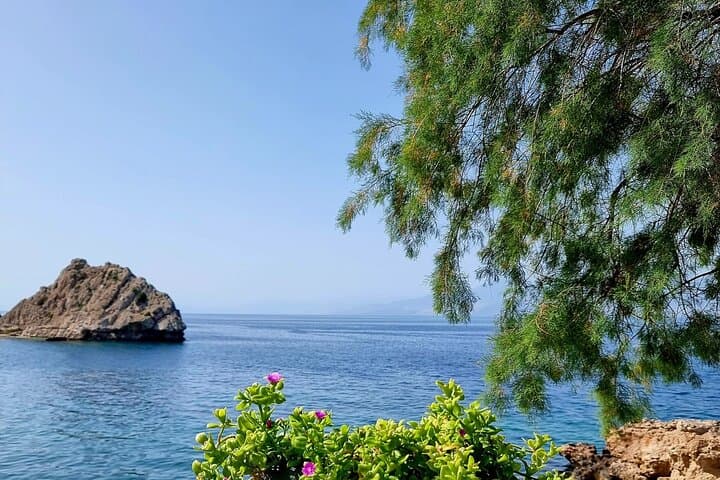
Swimming is commonly offered at the sanctuary cove; cliff-jumping is at your own risk—check depth, water conditions and follow guide advice.
The tour is family-friendly overall but Acrocorinth involves uneven steps and slopes; those with limited mobility should inform the operator to arrange alternatives or reduced walking.
Ancient Corinth was a wealthy classical city-state and a major Roman-era center; Apostle Paul lived and preached here around 52 AD, referenced in the New Testament.
Archaeological sites are actively conserved; visitors should stick to paths, avoid touching mosaics and support local tavernas and guides to sustain the area's cultural landscape.
Ancient Greece Tours & Transfers operates guided outdoor trips and adventures with an emphasis on safety, stewardship, and memorable experiences.
You step out of the vehicle into a wind that carries sea salt and history—the narrow cut of the Corinth Canal glares like a modern scar through rock while the Lechaion coast glitters beyond. The tour threads between distinctive chapters: a 19th-century engineering marvel, a monolithic acropolis, and a coastal sanctuary where ruins meet clear water.
You step out of the vehicle into a wind that carries sea salt and history—the narrow cut of the Corinth Canal glares like a modern scar through rock while the Lechaion coast glitters beyond. The tour threads between distinctive chapters: a 19th-century engineering marvel, a monolithic acropolis, and a coastal sanctuary where ruins meet clear water.
Acrocorinth dominates the skyline: a fortified rock with circuit walls, cisterns and the ruins of a Frankish keep. Below, Ancient Corinth unfolds as an organised grid of agora, bema and one of the earliest Doric temples—Apollo’s monolithic columns date to around 560 BCE. The Heraion at Perachora, with its small lighthouse and the so-called Blue Lake, registers a different archaeology—sanctuary space where worship, sea and commerce intersected.
Geology is visible in the limestone cliffs, karst springs like Peirene, and the deep channel of the Isthmus Canal, cut through narrow land to link gulfs. Culture here is layered: Mycenaean roots, Greek civic life, Roman administration and later Byzantine and Ottoman phases; St. Paul’s letters give the site a living script in Christian history.
Practical guidance: wear grippy shoes for uneven stone and short climbs at Acrocorinth, pack sun protection and a swim kit for a clear, sheltered swim at Heraion, and bring cash for small tavernas. Expect a full 9-hour day with pickup from Athens, moderate walking on archaeological surfaces, and chances for photos at dramatic overlooks. Respect archaeological signage—don’t climb fragile ruins—and time swims around the heat of midday for safety.