THE ADVENTURE COLLECTIVE® · Independent discovery and booking for outdoor travel

A full-day private hike from Xi'an to Mount Hua delivers steep granite ridges, Taoist temples and exposed ladder sections. Choose cable-car options for ascent or descent and be prepared for narrow, technical trail sections.
A full-day private hike from Xi'an to Mount Hua delivers steep granite ridges, Taoist temples and exposed ladder sections. Choose cable-car options for ascent or descent and be prepared for narrow, technical trail sections.
You step off the van where the road narrows and the granite walls of Huashan rise; wind presses like an invitation and the path clings to the cliff face. The tour moves from Xi'an through rolling loess plains to Huayin, then a shuttle to the cable car station. From the North Peak the mountains push upward—sheer slabs, jagged ridges and the narrow ladders that have made Huashan famous.
Verified experiences and guided adventures in the surrounding area.
Operated by China Kongfu Panda tour · Huayin, Shaanxi
You step off the van where the road narrows and the granite walls of Huashan rise; wind presses like an invitation and the path clings to the cliff face. The tour moves from Xi'an through rolling loess plains to Huayin, then a shuttle to the cable car station. From the North Peak the mountains push upward—sheer slabs, jagged ridges and the narrow ladders that have made Huashan famous.
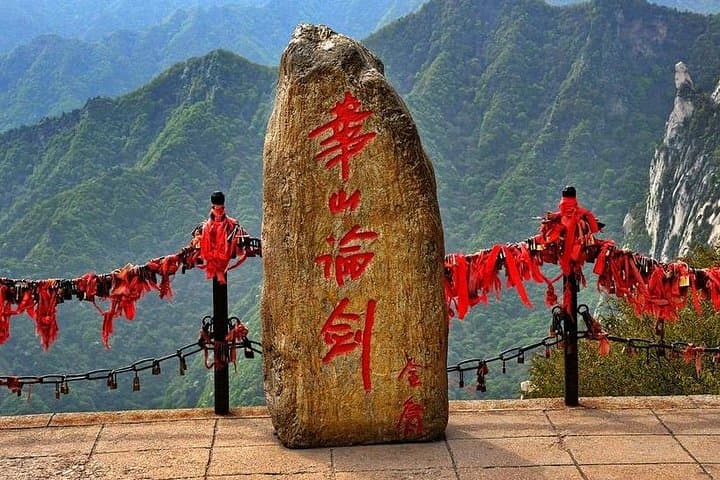
Mount Hua (Huashan) is the western peak of China’s Five Sacred Mountains, sacred in Taoist practice and long used as a site of pilgrimage. The range is primarily Precambrian and Paleozoic metamorphic and granitic rock, carved into dramatic spires by uplift and erosion. Cultural traces—temple platforms, carved inscriptions and small shrines—dot the higher trails, reminding hikers this is both a geological and spiritual landscape.
Practically, expect an 8–9 hour day: about 2 hours drive from Xi'an (120 km/75 miles), shuttle to cable car, 10-minute ride to North Peak, roughly 1.5 hours to the main summit area and several hours exploring East, South and West peaks before descending by cable car from the West Peak. Trails are steep, often narrow; exposed ladders and handrails require sure-footedness and a head for heights. There are limited food options on the mountain, so bring snacks, water and layered clothing for quickly changing weather. Guides can prebook entrance and cable-car tickets; communicate any preference for ascent/descent routes ahead of time. Start early, pace conservatively, and treat the cliffs with respect—Huashan rewards careful attention with dramatic ridgeline views and the quiet of high, wind-swept temples.
challenging.
8–9 hours.
Good cardiovascular fitness and leg strength; comfortable on exposed, steep trails for several hours.
The transfer is about 2 hours (roughly 120 km/75 miles) depending on traffic and your pickup point in Xi'an.
No—cable cars are optional; they save time and elevation but many hikers mix cable ascent with walking ridgelines or descend by cable car from West Peak.
Not recommended for pregnant travelers or very young children due to exposure and steep ladder sections; infants should be carried in secure carriers if joining.
Guides monitor conditions; in poor weather hikes can be rerouted or canceled—follow guide instructions for safety and timing.
Huashan has been a Taoist holy mountain for centuries, known historically as Xiyue; temples and inscriptions mark pilgrim routes up the peaks.
Trail erosion and litter are ongoing concerns—stay on established paths, pack out trash and support local guides who follow sustainable practices.
China Kongfu Panda tour operates guided outdoor trips and adventures with an emphasis on safety, stewardship, and memorable experiences.
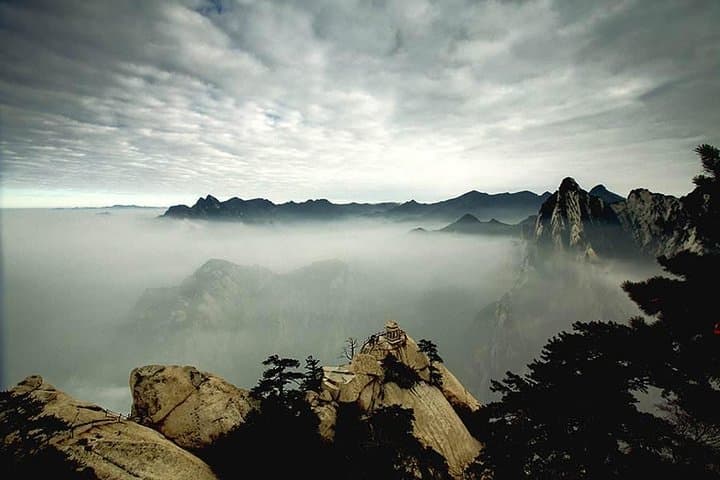
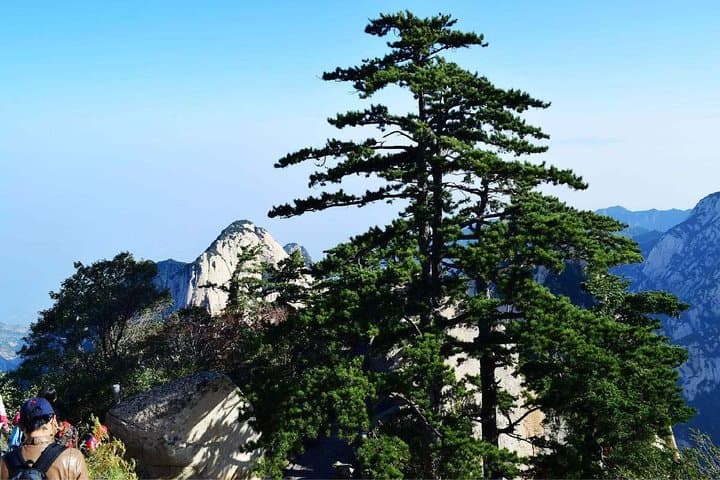
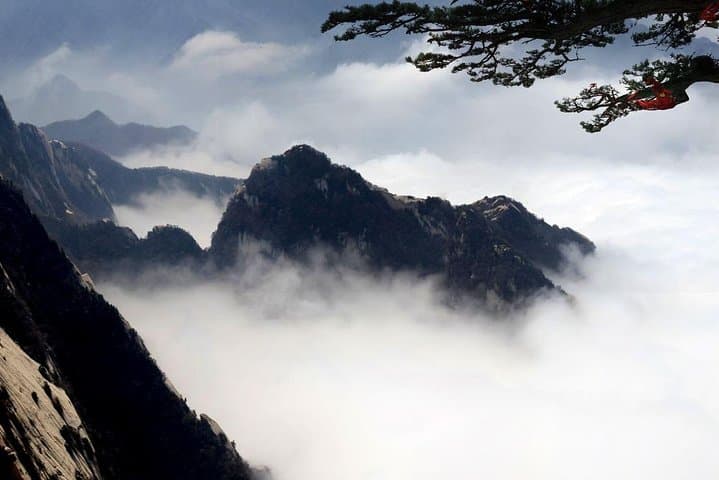
You step off the van where the road narrows and the granite walls of Huashan rise; wind presses like an invitation and the path clings to the cliff face. The tour moves from Xi'an through rolling loess plains to Huayin, then a shuttle to the cable car station. From the North Peak the mountains push upward—sheer slabs, jagged ridges and the narrow ladders that have made Huashan famous.
You step off the van where the road narrows and the granite walls of Huashan rise; wind presses like an invitation and the path clings to the cliff face. The tour moves from Xi'an through rolling loess plains to Huayin, then a shuttle to the cable car station. From the North Peak the mountains push upward—sheer slabs, jagged ridges and the narrow ladders that have made Huashan famous.
Mount Hua (Huashan) is the western peak of China’s Five Sacred Mountains, sacred in Taoist practice and long used as a site of pilgrimage. The range is primarily Precambrian and Paleozoic metamorphic and granitic rock, carved into dramatic spires by uplift and erosion. Cultural traces—temple platforms, carved inscriptions and small shrines—dot the higher trails, reminding hikers this is both a geological and spiritual landscape.
Practically, expect an 8–9 hour day: about 2 hours drive from Xi'an (120 km/75 miles), shuttle to cable car, 10-minute ride to North Peak, roughly 1.5 hours to the main summit area and several hours exploring East, South and West peaks before descending by cable car from the West Peak. Trails are steep, often narrow; exposed ladders and handrails require sure-footedness and a head for heights. There are limited food options on the mountain, so bring snacks, water and layered clothing for quickly changing weather. Guides can prebook entrance and cable-car tickets; communicate any preference for ascent/descent routes ahead of time. Start early, pace conservatively, and treat the cliffs with respect—Huashan rewards careful attention with dramatic ridgeline views and the quiet of high, wind-swept temples.