THE ADVENTURE COLLECTIVE® · Independent discovery and booking for outdoor travel

Walk markets that sell the morning’s tuna, touch carved works at Mwenge, and pass colonial monuments on a private 5–6 hour tour of Dar es Salaam. This guided loop pairs cultural context with practical logistics to help you see the city like a local.
Walk markets that sell the morning’s tuna, touch carved works at Mwenge, and pass colonial monuments on a private 5–6 hour tour of Dar es Salaam. This guided loop pairs cultural context with practical logistics to help you see the city like a local.
A dawn breeze off the Indian Ocean pushes warm air down the harbor as calls from fishmongers thread through the Kivukoni Fish Market. You step between crates of yellowfin and tuna, sticky nets and sun-darkened faces; the city announces itself in sound and salt.
Verified experiences and guided adventures in the surrounding area.
Operated by KIL, SERENGETI GREEN MILES ADVENTURE · Dar es Salaam, Dar es Salaam Region
A dawn breeze off the Indian Ocean pushes warm air down the harbor as calls from fishmongers thread through the Kivukoni Fish Market. You step between crates of yellowfin and tuna, sticky nets and sun-darkened faces; the city announces itself in sound and salt.
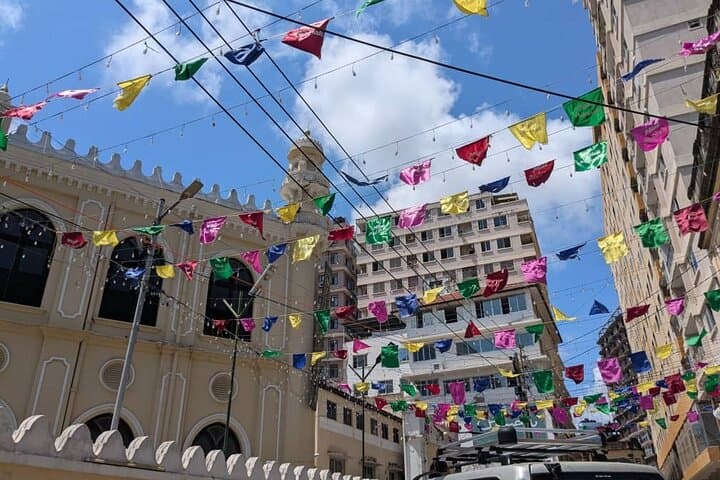
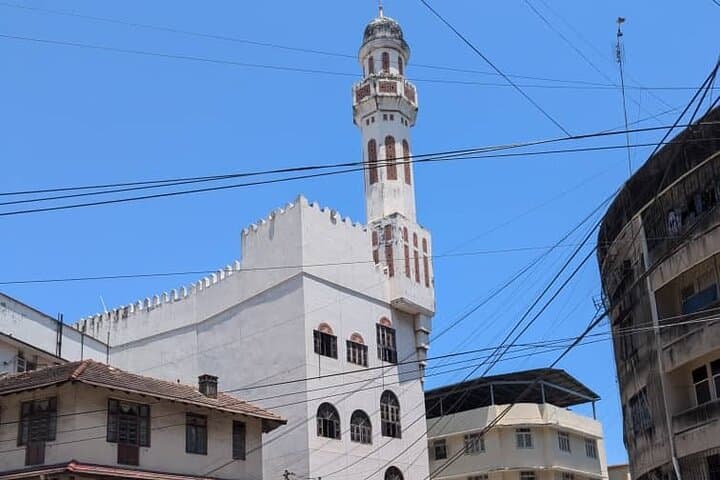
Dar es Salaam grew from a 19th-century port into Tanzania’s largest city under German and later British rule, and the route of this private tour stitches colonial monuments, religious landmarks and local craft quarters into a single morning. St. Joseph’s Cathedral shows Gothic stonework imported from Europe; the Askari Monument marks colonial-era soldiers with a quiet, civic presence. Geologically the shoreline is shallow sand backed by coral reefs and mangroves, which have shaped coastal neighborhoods and fishing patterns for generations.
Culture here is practical and public: Kariakoo’s lanes hum with traders, Mwenge’s woodcarvers work openly at benches, and Makumbusho Cultural Village stages dances and demonstrations that explain ethnic traditions and artisan techniques.
Practical guidance: plan on a 5–6 hour private loop with moderate walking on paved streets and uneven market alleys. Carry small bills for purchases, keep sunscreen and a hat for the waterfront, and wear closed-toe shoes for crowded market areas. Ask your guide about sanitation at food stalls and where to photograph respectfully. Private transport drops you off and collects you, making the day flexible—trade a little bargaining for local goods, and you’ll leave with craft, context and a sharper sense of the city’s pulse.
easy.
5–6 hours.
Suitable for most fitness levels; requires standing and moderate walking through streets and markets.
Yes—this private tour includes lunch, typically at a local restaurant or beachfront eatery serving fresh seafood and Tanzanian dishes.
Guides are available in English, Spanish, French, German and Italian according to the tour listing—confirm your language at booking.
Yes—private transport makes the route flexible; discuss site priorities (markets, cultural village, beach) when booking.
The tour is rated easy, but markets have crowded, uneven areas; inform the operator of mobility needs so they can adjust pickups and pacing.
Dar es Salaam developed from a 19th-century settlement into a principal port during German colonial rule; the Askari Monument (1927) honors African soldiers from World War I.
Overfishing and coastal development strain marine habitats—supporting local fishers responsibly and buying from reputable vendors helps sustain livelihoods and ecosystems.
KIL, SERENGETI GREEN MILES ADVENTURE operates guided outdoor trips and adventures with an emphasis on safety, stewardship, and memorable experiences.

A dawn breeze off the Indian Ocean pushes warm air down the harbor as calls from fishmongers thread through the Kivukoni Fish Market. You step between crates of yellowfin and tuna, sticky nets and sun-darkened faces; the city announces itself in sound and salt.
A dawn breeze off the Indian Ocean pushes warm air down the harbor as calls from fishmongers thread through the Kivukoni Fish Market. You step between crates of yellowfin and tuna, sticky nets and sun-darkened faces; the city announces itself in sound and salt.
Dar es Salaam grew from a 19th-century port into Tanzania’s largest city under German and later British rule, and the route of this private tour stitches colonial monuments, religious landmarks and local craft quarters into a single morning. St. Joseph’s Cathedral shows Gothic stonework imported from Europe; the Askari Monument marks colonial-era soldiers with a quiet, civic presence. Geologically the shoreline is shallow sand backed by coral reefs and mangroves, which have shaped coastal neighborhoods and fishing patterns for generations.
Culture here is practical and public: Kariakoo’s lanes hum with traders, Mwenge’s woodcarvers work openly at benches, and Makumbusho Cultural Village stages dances and demonstrations that explain ethnic traditions and artisan techniques.
Practical guidance: plan on a 5–6 hour private loop with moderate walking on paved streets and uneven market alleys. Carry small bills for purchases, keep sunscreen and a hat for the waterfront, and wear closed-toe shoes for crowded market areas. Ask your guide about sanitation at food stalls and where to photograph respectfully. Private transport drops you off and collects you, making the day flexible—trade a little bargaining for local goods, and you’ll leave with craft, context and a sharper sense of the city’s pulse.