THE ADVENTURE COLLECTIVE® · Independent discovery and booking for outdoor travel

A four‑hour private outing from Budapest that pairs Szentendre’s riverside art quarter with the hilltop ruins of Visegrád Castle. Ideal for travelers who want history, views, and curated local insight without the crowds.
A four‑hour private outing from Budapest that pairs Szentendre’s riverside art quarter with the hilltop ruins of Visegrád Castle. Ideal for travelers who want history, views, and curated local insight without the crowds.
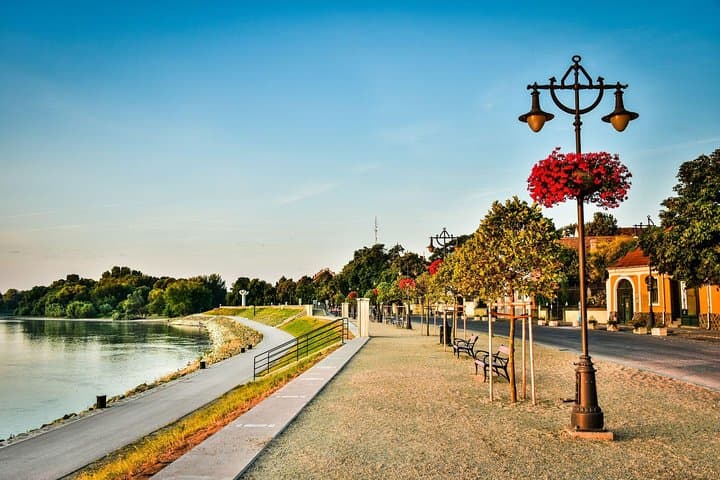
You step out of an air‑conditioned car and the river rearranges the horizon: the Danube curves like a wide, slow current that has shaped hills and history for millennia.
Verified experiences and guided adventures in the surrounding area.
Operated by Explore Hungary · Szentendre, Pest
You step out of an air‑conditioned car and the river rearranges the horizon: the Danube curves like a wide, slow current that has shaped hills and history for millennia.
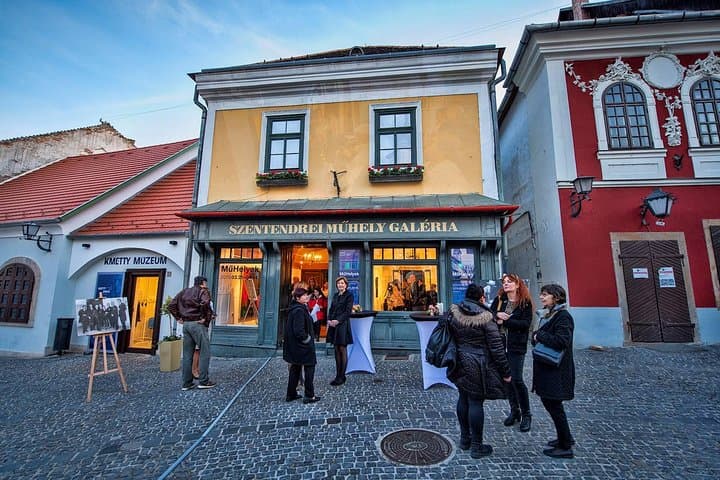
In four hours the private tour threads two contrasting settlements — Szentendre’s narrow, cobbled streets lined with galleries and cafés, and Visegrád’s medieval citadel perched above the Danube Bend. Szentendre grew as a craft and religious center after waves of Serbian and other settlers in the 17th–18th centuries; its low, colorful houses and Orthodox churches reflect that layered past.
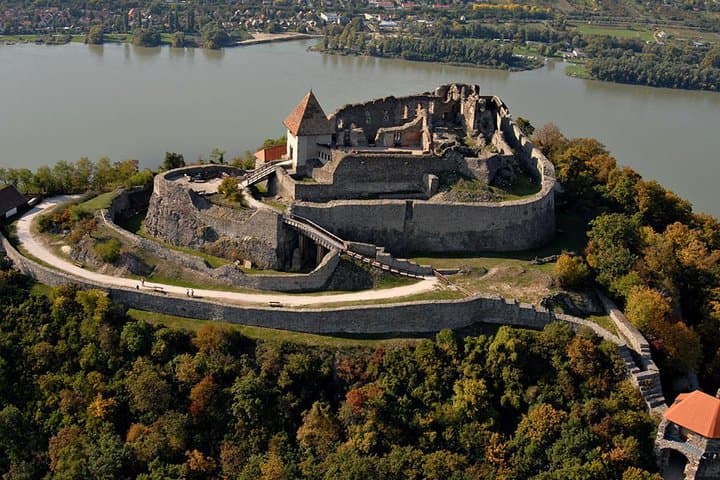
Visegrád’s Upper Castle dominated the bend in the Middle Ages and became a royal seat in the 14th century under Hungary’s kings; the ruins and museum explain fortification, royal life and the strategic importance of the river. Geologically, the Danube Bend exposes older sedimentary bedrock and loess soils on the hills, producing steep terraces and clear vantage points.
Expect easy walking on cobbles, a short climb or steps to the castle terrace for panoramic views, and time for local snacks by the river. Guides handle admissions and logistics, leaving you to focus on composition and questions.
Practical tips: wear stable shoes for cobbles and stairs, bring a refillable water bottle, and schedule the visit mid‑morning for softer light and quieter streets. If you travel in shoulder seasons, layer for rapidly changing river breezes. The private car makes the 40–50 km transfer from Budapest simple; photography, local galleries and the castle museum are highlights to budget time for.
easy.
4 hours.
Suitable for most travelers; requires short walking on uneven cobbles and moderate stair climbs to the castle terrace.
Yes—the tour includes hotel pickup and drop‑off in Budapest; confirm your pickup location when booking.
Admissions for the Visegrád Castle museum are included in this private tour price.
Plan for easy to moderate walking: cobbled streets in Szentendre and a short uphill climb or steps to reach Visegrád’s panoramic terrace.
This is a private tour with an English‑speaking guide and driver; timing and emphasis (art, history, photos) can be adjusted within the four‑hour window.
Visegrád served as a royal seat in the 14th century and controlled river traffic at the Danube Bend; Szentendre became a multicultural craft center after 17th‑century resettlement by Serbian and other communities.
Stay on marked paths around castle ruins and the riverbank, avoid disturbing nesting birds in spring, and support local businesses that use minimal packaging to reduce litter in small historic towns.
Explore Hungary operates guided outdoor trips and adventures with an emphasis on safety, stewardship, and memorable experiences.

You step out of an air‑conditioned car and the river rearranges the horizon: the Danube curves like a wide, slow current that has shaped hills and history for millennia.
You step out of an air‑conditioned car and the river rearranges the horizon: the Danube curves like a wide, slow current that has shaped hills and history for millennia.
In four hours the private tour threads two contrasting settlements — Szentendre’s narrow, cobbled streets lined with galleries and cafés, and Visegrád’s medieval citadel perched above the Danube Bend. Szentendre grew as a craft and religious center after waves of Serbian and other settlers in the 17th–18th centuries; its low, colorful houses and Orthodox churches reflect that layered past.
Visegrád’s Upper Castle dominated the bend in the Middle Ages and became a royal seat in the 14th century under Hungary’s kings; the ruins and museum explain fortification, royal life and the strategic importance of the river. Geologically, the Danube Bend exposes older sedimentary bedrock and loess soils on the hills, producing steep terraces and clear vantage points.
Expect easy walking on cobbles, a short climb or steps to the castle terrace for panoramic views, and time for local snacks by the river. Guides handle admissions and logistics, leaving you to focus on composition and questions.
Practical tips: wear stable shoes for cobbles and stairs, bring a refillable water bottle, and schedule the visit mid‑morning for softer light and quieter streets. If you travel in shoulder seasons, layer for rapidly changing river breezes. The private car makes the 40–50 km transfer from Budapest simple; photography, local galleries and the castle museum are highlights to budget time for.