THE ADVENTURE COLLECTIVE® · Independent discovery and booking for outdoor travel

Learn Cartagena’s rhythms firsthand with a private, 60-minute lesson that teaches salsa, bachata, champeta, or folkloric dances. Small-group or solo-focused, these studio classes pair cultural context with practical steps so you leave comfortable on the dance floor.
Learn Cartagena’s rhythms firsthand with a private, 60-minute lesson that teaches salsa, bachata, champeta, or folkloric dances. Small-group or solo-focused, these studio classes pair cultural context with practical steps so you leave comfortable on the dance floor.
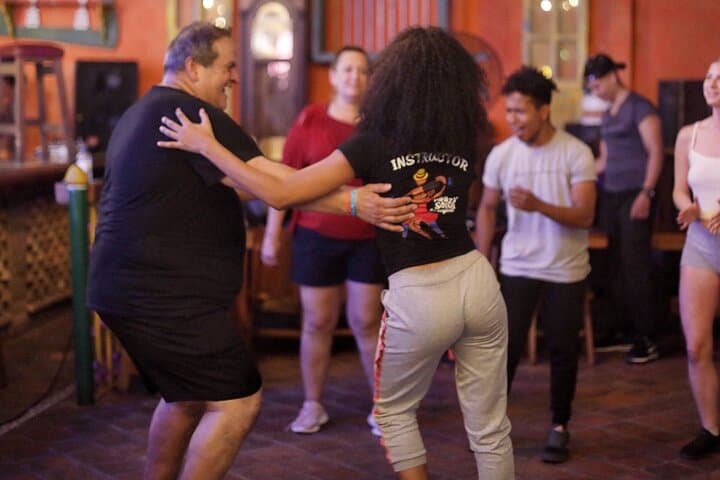
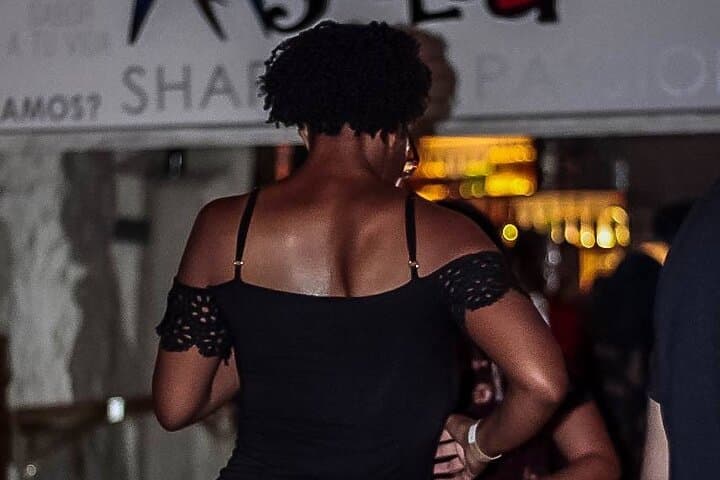
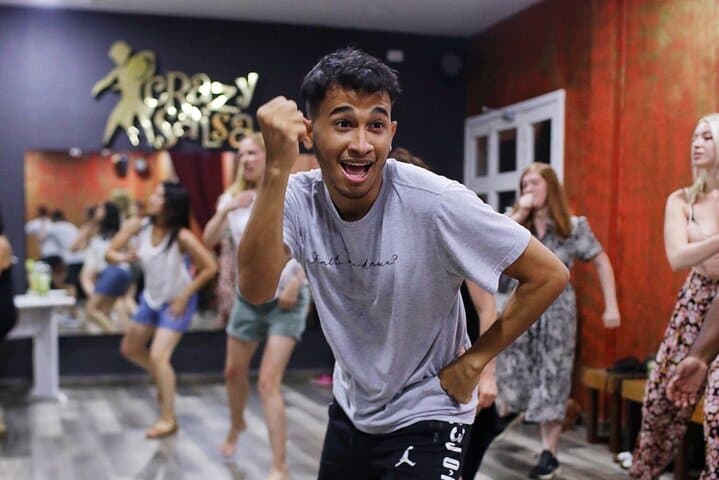
You step into a studio a block from Cartagena’s warm stone streets, the air cooled by strong AC and the bass already threading through the mirrored room. In seconds, the city’s pulse shifts from idle tourist chatter to an invitation: percussion that tugs your shoulders, a clave that nudges your feet. This is not a show — it’s a hands-on way to meet Cartagena through its music.
Verified experiences and guided adventures in the surrounding area.
Operated by Cultura Caribe · Cartagena, Bolívar
You step into a studio a block from Cartagena’s warm stone streets, the air cooled by strong AC and the bass already threading through the mirrored room. In seconds, the city’s pulse shifts from idle tourist chatter to an invitation: percussion that tugs your shoulders, a clave that nudges your feet. This is not a show — it’s a hands-on way to meet Cartagena through its music.
Cartagena’s dances reflect its layered history: African call-and-response rhythms braided with Spanish forms and Indigenous movements. In Getsemaní and the Centro Histórico, salsa and champeta evolved in neighborhood plazas and working-class clubs; bachata arrived from the Caribbean’s wider currents. The studios occupy converted urban spaces — nothing ornate, everything focused on rhythm, isolation, and connection.
Expect a practical lesson flow: a brief warm-up, body-isolation drills, musicality training, then steps and partner figures tailored to your level. Instructors translate cultural cues — how a pause in the music becomes a flirtatious accent, where to step to let a local groove breathe. The experience suits newcomers and experienced dancers alike; the aim is confidence on the floor and a clearer ear for Colombian rhythms.
Practicalities: classes run roughly 60 minutes and are scheduled between 8:00 AM and 9:00 PM; most private sessions meet in Getsemaní with easy access to Centro. Wear breathable shoes with smooth soles, bring a bottle of water, and book ahead for evening slots. The lesson is a small, social, low-impact way to leave Cartagena with a skill as lively as the city itself.
easy.
1 hour.
Suitable for most fitness levels; basic coordination helps but no prior experience required
No — private lessons are customized from beginner to advanced; instructors adapt steps and pacing to your level.
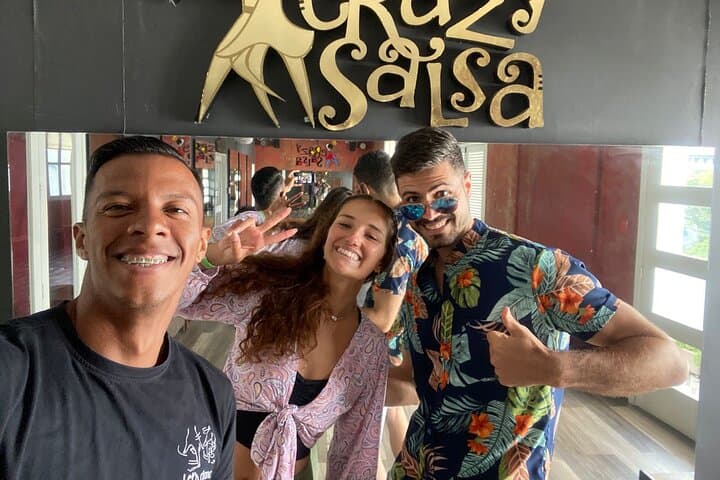
Crazy Salsa operates studios in Centro and Getsemaní; most private lessons occur in Getsemaní and are an easy walk to the walled city.
Yes — private format is ideal for couples, families, or solo learners and can be focused on social dancing, choreography, or folkloric steps.
For a full refund cancel at least 24 hours before the scheduled time; last-minute cancellations are not refundable.
Cartagena’s dance culture grew from Afro-Caribbean communities and port-town exchanges; styles like champeta and local salsa reflect that multicultural lineage.
Studios are low-impact cultural spaces; support local instructors and avoid large groups that strain neighborhood streets and resources.
Cultura Caribe operates guided outdoor trips and adventures with an emphasis on safety, stewardship, and memorable experiences.
You step into a studio a block from Cartagena’s warm stone streets, the air cooled by strong AC and the bass already threading through the mirrored room. In seconds, the city’s pulse shifts from idle tourist chatter to an invitation: percussion that tugs your shoulders, a clave that nudges your feet. This is not a show — it’s a hands-on way to meet Cartagena through its music.
You step into a studio a block from Cartagena’s warm stone streets, the air cooled by strong AC and the bass already threading through the mirrored room. In seconds, the city’s pulse shifts from idle tourist chatter to an invitation: percussion that tugs your shoulders, a clave that nudges your feet. This is not a show — it’s a hands-on way to meet Cartagena through its music.
Cartagena’s dances reflect its layered history: African call-and-response rhythms braided with Spanish forms and Indigenous movements. In Getsemaní and the Centro Histórico, salsa and champeta evolved in neighborhood plazas and working-class clubs; bachata arrived from the Caribbean’s wider currents. The studios occupy converted urban spaces — nothing ornate, everything focused on rhythm, isolation, and connection.
Expect a practical lesson flow: a brief warm-up, body-isolation drills, musicality training, then steps and partner figures tailored to your level. Instructors translate cultural cues — how a pause in the music becomes a flirtatious accent, where to step to let a local groove breathe. The experience suits newcomers and experienced dancers alike; the aim is confidence on the floor and a clearer ear for Colombian rhythms.
Practicalities: classes run roughly 60 minutes and are scheduled between 8:00 AM and 9:00 PM; most private sessions meet in Getsemaní with easy access to Centro. Wear breathable shoes with smooth soles, bring a bottle of water, and book ahead for evening slots. The lesson is a small, social, low-impact way to leave Cartagena with a skill as lively as the city itself.