THE ADVENTURE COLLECTIVE® · Independent discovery and booking for outdoor travel

Sail the Nile at a relaxed pace aboard a private dahabiya on this 7-night Luxor–Aswan cruise. Visit Karnak, the Valley of the Kings, Edfu, Kom Ombo and Philae while enjoying personalized service and riverside scenery.
Sail the Nile at a relaxed pace aboard a private dahabiya on this 7-night Luxor–Aswan cruise. Visit Karnak, the Valley of the Kings, Edfu, Kom Ombo and Philae while enjoying personalized service and riverside scenery.
Boarding a low-slung dahabiya at dawn, the Nile draws you into a slow-moving world: palm-framed villages slide past, fishermen prod the surface, and sandstone cliffs change color as the sun climbs.
Verified experiences and guided adventures in the surrounding area.
Operated by Etro tours · Luxor, Luxor Governorate
Boarding a low-slung dahabiya at dawn, the Nile draws you into a slow-moving world: palm-framed villages slide past, fishermen prod the surface, and sandstone cliffs change color as the sun climbs.
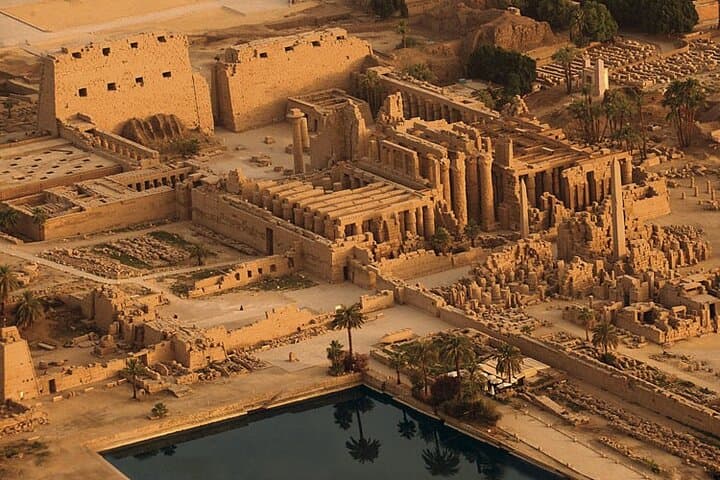
This seven-night private cruise follows the river’s ancient highway between Luxor and Aswan, stopping at Karnak and Luxor Temples, the Valley of the Kings, Hatshepsut’s terraces, the hypostyle halls of Edfu and Kom Ombo’s double shrines, and Philae’s island sanctuary. Geology and human history are inseparable here — the Nile’s alluvial plain carved routes while granite quarries at Aswan supplied obelisks and temple stone for millennia.
Culturally, the trip is a moving classroom: mosque minarets and brickworking villages sit alongside Pharaonic monuments, and local life still orbits the river’s rhythm. Expect guided shore visits, short walks across archaeological sites, and the chance to see Gebel el‑Silsila’s dramatic narrow gorge where ancient stone was cut.
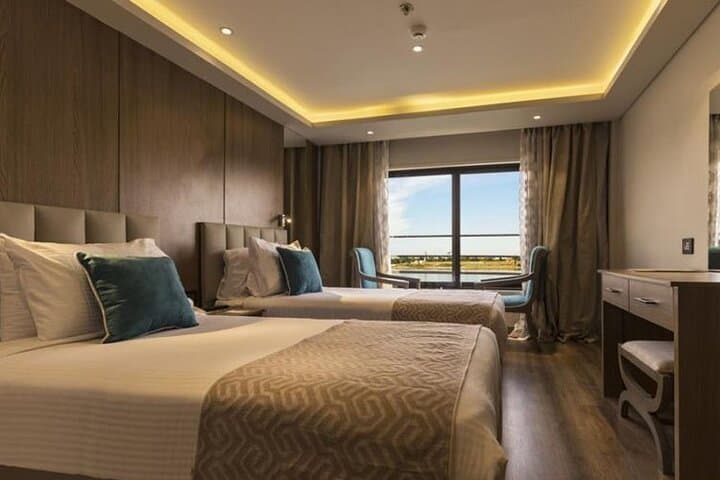
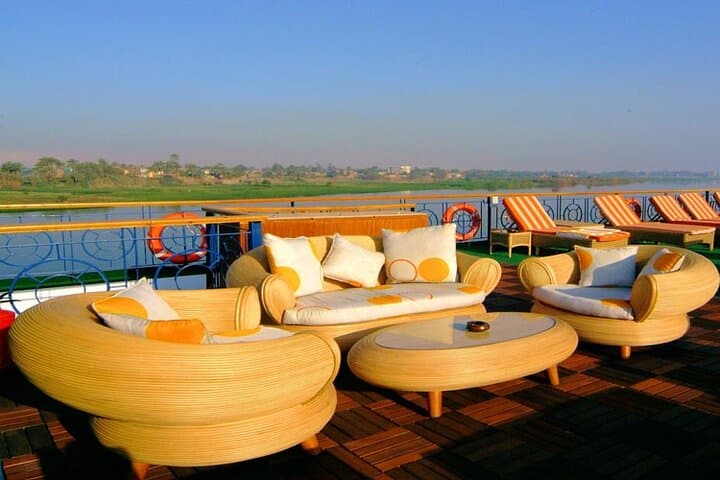
Practically, the dahabiya is quiet and intimate — cabins are comfortable but compact, and the pace is unhurried. Days alternate between guided excursions and sailing; evenings are for deck conversations and watching the river darken. The itinerary requires basic mobility (boarding, gangways, stairs into temples) but is suitable for most fitness levels. Carry sun protection, cash for tips and market purchases, and lightweight layers for cooler desert nights. Bookings often include transfers and most meals; confirm visa requirements and travel documents before departure.
This is a travel experience that privileges time — slow travel on the Nile that pairs world-class antiquities with a calm, riverborne rhythm.
easy.
7–8 days.
Suitable for travelers with basic mobility—expect short guided walks, steps at temples, and boarding a small vessel.
The dahabiya and itinerary are generally suitable for most fitness levels, but there are steps at temples and boarding ladders; notify the operator of mobility needs and request assistance if needed.
This tour includes guided visits and many onboard meals, but confirm whether national site entrance fees are included or payable locally when booking.
October–April offers milder temperatures and more comfortable touring; summers are hot and require stronger sun precautions.
Most visitors require an entry visa—check your nationality’s visa rules before travel and have passport details ready for booking.
The Nile corridor has linked Upper and Lower Egypt for millennia; many temples and obelisks were carved from Aswan granite and moved along this route.
Tourism can stress fragile archaeological sites and the Nile ecosystem; minimize single-use plastics, follow guide instructions, and avoid touching reliefs.
Etro tours operates guided outdoor trips and adventures with an emphasis on safety, stewardship, and memorable experiences.
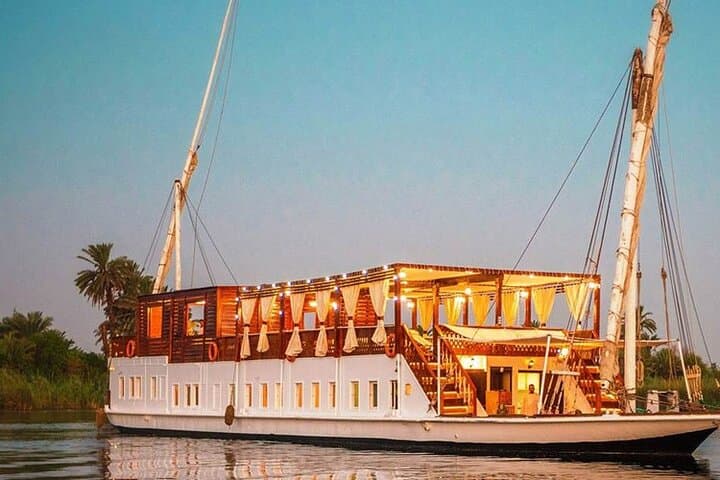
Boarding a low-slung dahabiya at dawn, the Nile draws you into a slow-moving world: palm-framed villages slide past, fishermen prod the surface, and sandstone cliffs change color as the sun climbs.
Boarding a low-slung dahabiya at dawn, the Nile draws you into a slow-moving world: palm-framed villages slide past, fishermen prod the surface, and sandstone cliffs change color as the sun climbs.
This seven-night private cruise follows the river’s ancient highway between Luxor and Aswan, stopping at Karnak and Luxor Temples, the Valley of the Kings, Hatshepsut’s terraces, the hypostyle halls of Edfu and Kom Ombo’s double shrines, and Philae’s island sanctuary. Geology and human history are inseparable here — the Nile’s alluvial plain carved routes while granite quarries at Aswan supplied obelisks and temple stone for millennia.
Culturally, the trip is a moving classroom: mosque minarets and brickworking villages sit alongside Pharaonic monuments, and local life still orbits the river’s rhythm. Expect guided shore visits, short walks across archaeological sites, and the chance to see Gebel el‑Silsila’s dramatic narrow gorge where ancient stone was cut.
Practically, the dahabiya is quiet and intimate — cabins are comfortable but compact, and the pace is unhurried. Days alternate between guided excursions and sailing; evenings are for deck conversations and watching the river darken. The itinerary requires basic mobility (boarding, gangways, stairs into temples) but is suitable for most fitness levels. Carry sun protection, cash for tips and market purchases, and lightweight layers for cooler desert nights. Bookings often include transfers and most meals; confirm visa requirements and travel documents before departure.
This is a travel experience that privileges time — slow travel on the Nile that pairs world-class antiquities with a calm, riverborne rhythm.