THE ADVENTURE COLLECTIVE® · Independent discovery and booking for outdoor travel

A guided, private transfer from Munich brings you to the Dachau Concentration Camp Memorial Site for a focused, respectful tour of the grounds and exhibitions. Expect flat walking, unwavering historical interpretation, and practical guidance for visiting a place of remembrance.
A guided, private transfer from Munich brings you to the Dachau Concentration Camp Memorial Site for a focused, respectful tour of the grounds and exhibitions. Expect flat walking, unwavering historical interpretation, and practical guidance for visiting a place of remembrance.
You step out of the van into a hush that the Bavarian plain seems to hold with a conscious patience. Gravel paths run straight as lines in a ledger; low, clipped grass opens to rows of simple markers and a reconstructed guard tower that watches the visitor as much as the past once watched prisoners.
Verified experiences and guided adventures in the surrounding area.
Operated by taxiGo Limo Airport Service · Dachau, Bavaria
You step out of the van into a hush that the Bavarian plain seems to hold with a conscious patience. Gravel paths run straight as lines in a ledger; low, clipped grass opens to rows of simple markers and a reconstructed guard tower that watches the visitor as much as the past once watched prisoners.
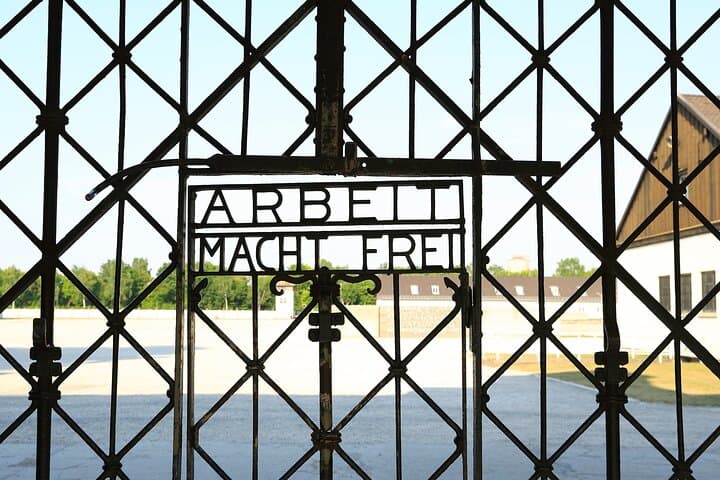
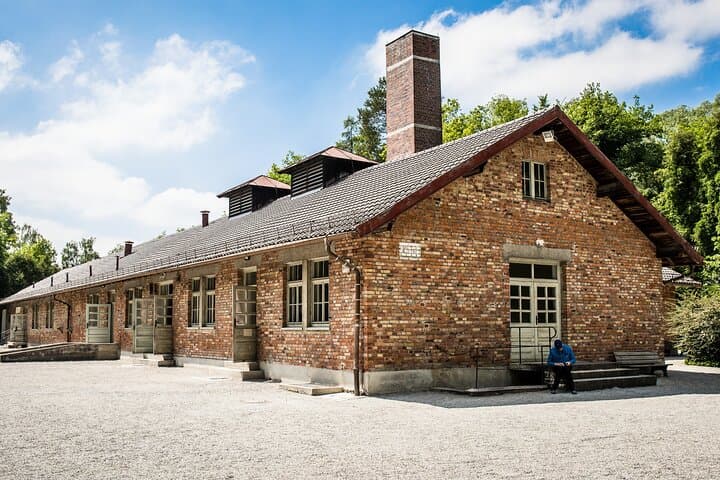
Dachau was established in 1933 as the first regular concentration camp in Nazi Germany. The site’s architecture—brick barracks, a march yard and the gatehouse—speaks to policy and control rather than aesthetics, while the surrounding moraine plain and oak trees give quiet scale to a place shaped by human decisions more than geology.
Local culture treats Dachau with solemn respect: guided interpretation, memorial plaques and permanent exhibitions trace lives lost, resistance, and postwar memory work. Nearby Dachau town offers a small-market feel and Schloss Dachau’s terraces that reveal a different, civic history of the region.
Practical guidance: tours from Munich typically include hotel pickup, a 20–40 minute drive each way and a 2–3 hour guided visit on mostly flat, accessible paths; total excursion time is about 3–5 hours. Wear comfortable, closed shoes for gravel and occasional mud, and dress conservatively—this is a site of remembrance. Bring water and a light layer for variable weather; photography is permitted in many outdoor areas but avoid photographing survivors’ exhibits or other visitors in distress without permission. Allow time to reflect at the memorial and plan for quiet travel back to Munich. Respect for the site’s purpose is the first rule of any visit.
easy.
3–5 hours.
Suitable for most fitness levels; participants should be able to walk 2–4 miles over flat, mixed surfaces.
Admission to the Dachau Memorial Site is typically free; the tour price covers private transportation and the guide, but verify if any optional exhibition fees apply.
Guides generally spend about 2–3 hours on-site covering the main outdoor areas and the exhibition; the full excursion from Munich is about 3–5 hours including transport.
Many outdoor paths and the main exhibition areas are accessible, but some memorial sections have uneven surfaces—check with the operator in advance for specific accessibility needs.
This is a sensitive site; while older children and teens can benefit from age-appropriate explanation, it may not be suitable for very young children due to the subject matter.
Opened in 1933 as the first regular Nazi concentration camp, Dachau later became a primary site of Nazi repression and now serves as Germany’s oldest official memorial to victims of the regime.
The memorial maintains grounds and exhibitions to preserve authenticity; visitors are asked to stay on designated paths and avoid disturbing interpretive displays to protect the site’s integrity.
taxiGo Limo Airport Service operates guided outdoor trips and adventures with an emphasis on safety, stewardship, and memorable experiences.

You step out of the van into a hush that the Bavarian plain seems to hold with a conscious patience. Gravel paths run straight as lines in a ledger; low, clipped grass opens to rows of simple markers and a reconstructed guard tower that watches the visitor as much as the past once watched prisoners.
You step out of the van into a hush that the Bavarian plain seems to hold with a conscious patience. Gravel paths run straight as lines in a ledger; low, clipped grass opens to rows of simple markers and a reconstructed guard tower that watches the visitor as much as the past once watched prisoners.
Dachau was established in 1933 as the first regular concentration camp in Nazi Germany. The site’s architecture—brick barracks, a march yard and the gatehouse—speaks to policy and control rather than aesthetics, while the surrounding moraine plain and oak trees give quiet scale to a place shaped by human decisions more than geology.
Local culture treats Dachau with solemn respect: guided interpretation, memorial plaques and permanent exhibitions trace lives lost, resistance, and postwar memory work. Nearby Dachau town offers a small-market feel and Schloss Dachau’s terraces that reveal a different, civic history of the region.
Practical guidance: tours from Munich typically include hotel pickup, a 20–40 minute drive each way and a 2–3 hour guided visit on mostly flat, accessible paths; total excursion time is about 3–5 hours. Wear comfortable, closed shoes for gravel and occasional mud, and dress conservatively—this is a site of remembrance. Bring water and a light layer for variable weather; photography is permitted in many outdoor areas but avoid photographing survivors’ exhibits or other visitors in distress without permission. Allow time to reflect at the memorial and plan for quiet travel back to Munich. Respect for the site’s purpose is the first rule of any visit.