THE ADVENTURE COLLECTIVE® · Independent discovery and booking for outdoor travel

Explore the American sector of Normandy’s D-Day beaches on a private day tour from Caen. Visit Omaha, Pointe du Hoc, Utah and the US War Cemetery with a certified guide who connects landscape, geology and history.
Explore the American sector of Normandy’s D-Day beaches on a private day tour from Caen. Visit Omaha, Pointe du Hoc, Utah and the US War Cemetery with a certified guide who connects landscape, geology and history.
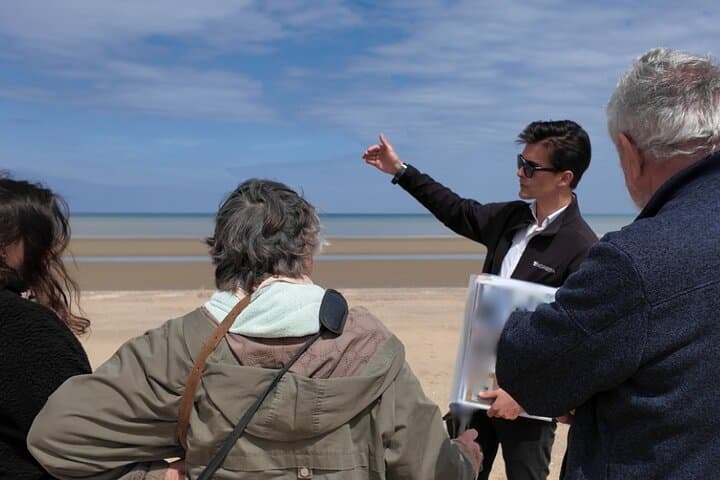
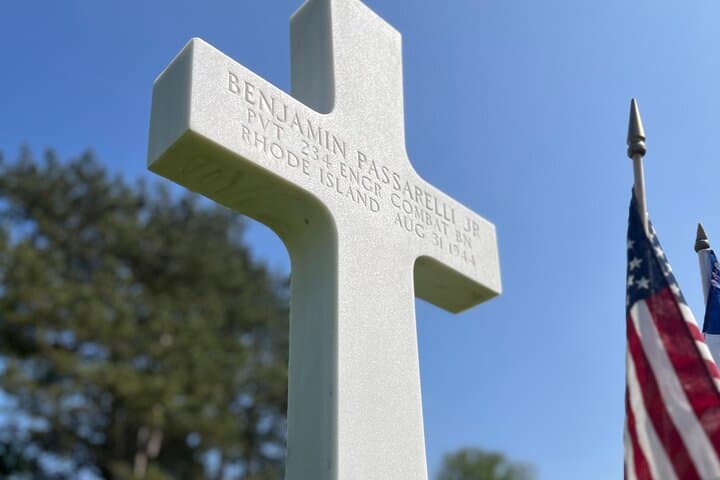
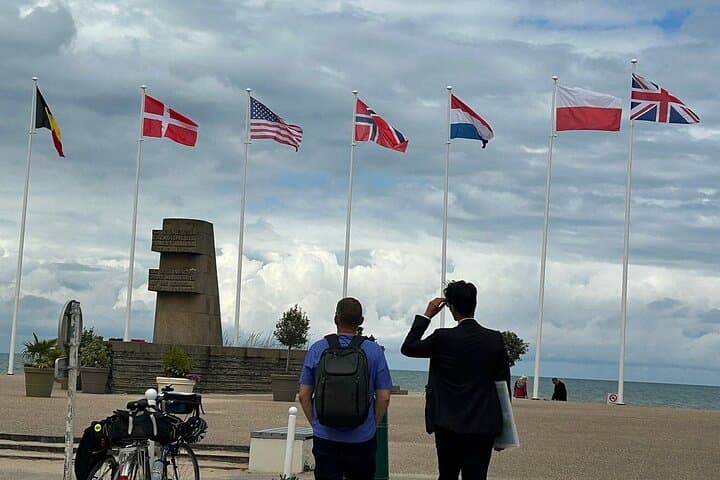
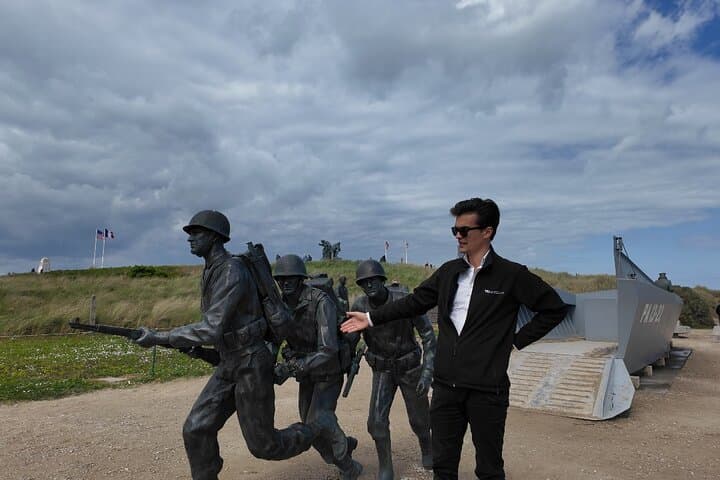
You arrive with the Atlantic on one side and chalk cliffs on the other; the wind off the English Channel tugs at your jacket like a living memory. Driving from Caen in a seven-seat van, the coastline unfolds—wide sand at Omaha, the scars of cliff-top craters at Pointe du Hoc, and the quiet rows of white crosses at Colleville-sur-Mer.
Verified experiences and guided adventures in the surrounding area.
Operated by NORESTA TOURS · Caen, Normandy
You arrive with the Atlantic on one side and chalk cliffs on the other; the wind off the English Channel tugs at your jacket like a living memory. Driving from Caen in a seven-seat van, the coastline unfolds—wide sand at Omaha, the scars of cliff-top craters at Pointe du Hoc, and the quiet rows of white crosses at Colleville-sur-Mer.
This corridor of Normandy is defined by wartime choices and older geology: Cretaceous limestone cliffs that offered vantage points, flat beaches that funneled landing craft, and small ports that shaped local fishing and farming culture. The sites you visit—Utah Beach, Omaha Beach, Pointe du Hoc, Arromanches, and the US War Cemetery—trace June 6, 1944, with guide-led interpretation in English, German or French that connects strategy to human stories.
Local culture still centers on the sea and the harvest—oysters, cider, and resilient villages rebuilt after the war. Museums and the Arromanches 360° film add context; smaller village bakeries provide the daily rhythm.
Practically: expect a full day (5–7 hours) with short walks on sand and grass, stairs at viewpoints, and formal moments at the cemetery—dress respectfully. Weather is changeable; layers and a windproof jacket help. Bring water, sturdy shoes for mixed terrain, and a camera with spare battery. Guides provide water, maps and documents; the tour runs from Caen and returns the same day. Move deliberately through the sites—there’s history underfoot and rules to follow: stay on marked paths, don’t remove artifacts, and observe moments of silence where appropriate.
easy.
5–7 hours.
Suitable for most fitness levels; involves short walks on uneven ground and some stairs.
The tour lasts about 5–7 hours; most departures are from central Caen with door-to-door pickup options noted at booking.
This private tour includes transport and guide services; specific museum admissions are typically not included—confirm at booking.
The tour is described as suitable for all fitness levels, but some sites require walking on sand or steps; notify the operator of mobility concerns before booking.
Photography is allowed, but be respectful: maintain quiet, avoid photographing mourners up close, and do not climb on headstones.
This coastline was the focal point of the American landings on June 6, 1944; Pointe du Hoc changed hands after a daring Ranger assault on German coastal artillery positions.
These sites are protected for their historical value—stay on designated paths, don’t remove artefacts, and support local museums that preserve the landscape and stories.
NORESTA TOURS operates guided outdoor trips and adventures with an emphasis on safety, stewardship, and memorable experiences.
You arrive with the Atlantic on one side and chalk cliffs on the other; the wind off the English Channel tugs at your jacket like a living memory. Driving from Caen in a seven-seat van, the coastline unfolds—wide sand at Omaha, the scars of cliff-top craters at Pointe du Hoc, and the quiet rows of white crosses at Colleville-sur-Mer.
You arrive with the Atlantic on one side and chalk cliffs on the other; the wind off the English Channel tugs at your jacket like a living memory. Driving from Caen in a seven-seat van, the coastline unfolds—wide sand at Omaha, the scars of cliff-top craters at Pointe du Hoc, and the quiet rows of white crosses at Colleville-sur-Mer.
This corridor of Normandy is defined by wartime choices and older geology: Cretaceous limestone cliffs that offered vantage points, flat beaches that funneled landing craft, and small ports that shaped local fishing and farming culture. The sites you visit—Utah Beach, Omaha Beach, Pointe du Hoc, Arromanches, and the US War Cemetery—trace June 6, 1944, with guide-led interpretation in English, German or French that connects strategy to human stories.
Local culture still centers on the sea and the harvest—oysters, cider, and resilient villages rebuilt after the war. Museums and the Arromanches 360° film add context; smaller village bakeries provide the daily rhythm.
Practically: expect a full day (5–7 hours) with short walks on sand and grass, stairs at viewpoints, and formal moments at the cemetery—dress respectfully. Weather is changeable; layers and a windproof jacket help. Bring water, sturdy shoes for mixed terrain, and a camera with spare battery. Guides provide water, maps and documents; the tour runs from Caen and returns the same day. Move deliberately through the sites—there’s history underfoot and rules to follow: stay on marked paths, don’t remove artifacts, and observe moments of silence where appropriate.