THE ADVENTURE COLLECTIVE® · Independent discovery and booking for outdoor travel

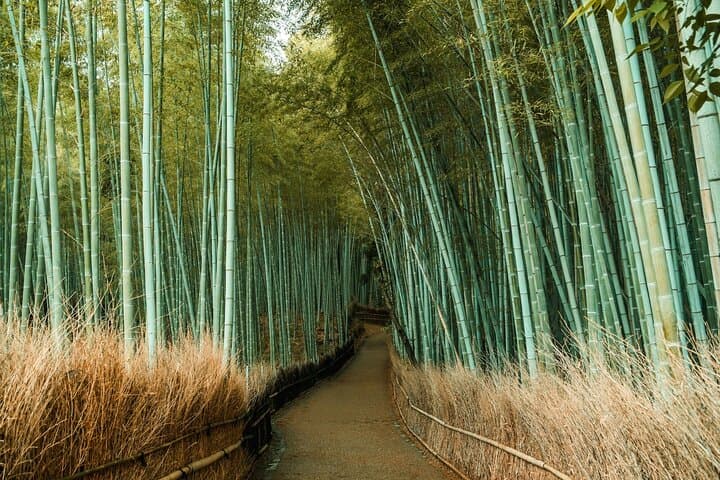
Design your day in Kyoto with a private English-speaking guide and hotel pickup. Visit Arashiyama bamboo groves, Kinkakuji, Nishiki Market and Fushimi Inari on a flexible 8–10 hour itinerary tailored to your interests.
Design your day in Kyoto with a private English-speaking guide and hotel pickup. Visit Arashiyama bamboo groves, Kinkakuji, Nishiki Market and Fushimi Inari on a flexible 8–10 hour itinerary tailored to your interests.
You step from an air-conditioned vehicle into a street where the past still walks at a human pace — lanterns, wooden facades and the muted clip of geta on stone. Over eight to ten hours a local English-speaking guide shapes the day around the things you want most: a ramble beneath towering bamboo, the burnished glint of a golden pavilion, or the riverbank where cherry trees lean over the water.
Verified experiences and guided adventures in the surrounding area.
Operated by explore japan with us · Kyoto, Kyoto Prefecture
You step from an air-conditioned vehicle into a street where the past still walks at a human pace — lanterns, wooden facades and the muted clip of geta on stone. Over eight to ten hours a local English-speaking guide shapes the day around the things you want most: a ramble beneath towering bamboo, the burnished glint of a golden pavilion, or the riverbank where cherry trees lean over the water.
Kyoto was Japan’s capital from 794 and its neighborhoods preserve layers of history: Heian-era shrines, Muromachi-era Zen gardens and Edo-period merchant houses. The city sits on a basin of ancient river terraces and volcanic ash soils, which helped shape the narrow streets and museum-like temples that populate its hills. Culture here is hands-on — markets hum with food artisans, shrines still host seasonal festivals, and the rhythm of tea ceremonies is quietly visible in teahouse districts.
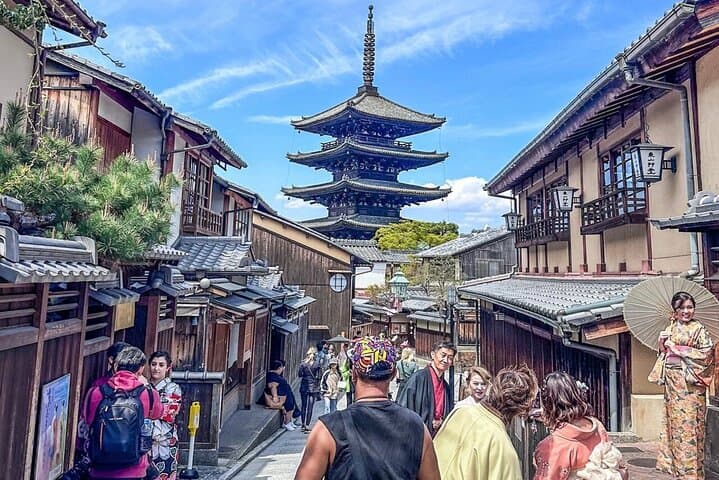
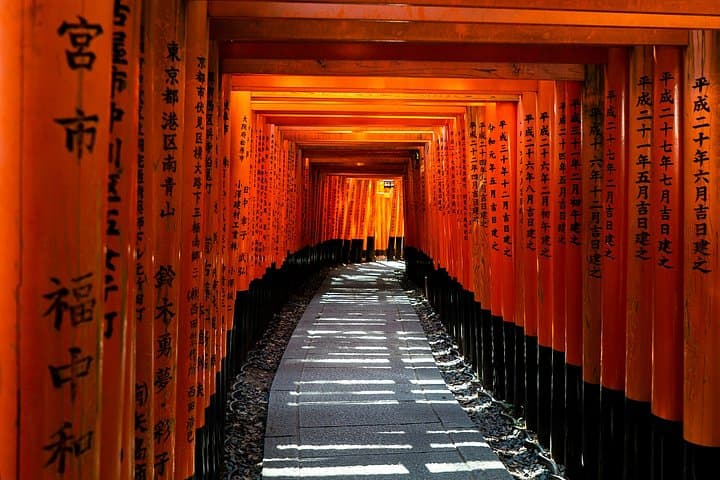
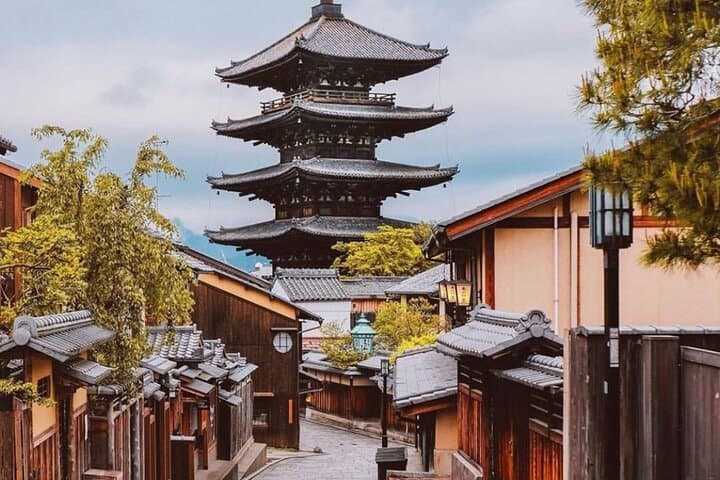
Expect to visit highlights including Togetsukyo Bridge in Arashiyama, Kinkakuji’s gold-coated upper floors, the packed lanes of Nishiki Market, the torii tunnel at Fushimi Inari, Gion’s lined machiya streets, and Kiyomizudera’s hillside views. A private vehicle and hotel pickup smooth logistics and let the guide set an efficient route.
Plan for long stretches on foot and uneven temple approaches: comfortable shoes, layered clothing, and a charged phone are practical musts. Bring cash for small shrine offerings and market bites — many stalls are cash-preferred. Timing matters: start early to avoid crowds at the major temples or linger into late afternoon for softer light in Gion. This is a full-day cultural sweep designed to be flexible — you direct the pace, the guide handles the map.
easy.
8–10 hours.
Suitable for most fitness levels; expect several hours of walking and short stair sections. Light stamina required for an all-day outing.
Most temple admissions are not included by default; your guide can advise on entrance fees so you can purchase tickets on site.
Yes — the tour is customizable and guides typically adapt the schedule to traffic, weather and your interests when possible.
Pickup is generally offered from central Kyoto hotels; confirm your exact pickup point when booking to ensure coverage.
Meals are not usually included; the guide can recommend local restaurants and market snacks, and stop where you prefer to eat.
Kyoto served as Japan’s imperial capital from 794 to 1868; many present-day temples and neighborhoods grew directly from that Heian-era city plan.
High visitor numbers strain small temple sites and narrow streets; travel light, follow shrine rules, and support local businesses to help sustain neighborhoods.
explore japan with us operates guided outdoor trips and adventures with an emphasis on safety, stewardship, and memorable experiences.
You step from an air-conditioned vehicle into a street where the past still walks at a human pace — lanterns, wooden facades and the muted clip of geta on stone. Over eight to ten hours a local English-speaking guide shapes the day around the things you want most: a ramble beneath towering bamboo, the burnished glint of a golden pavilion, or the riverbank where cherry trees lean over the water.
You step from an air-conditioned vehicle into a street where the past still walks at a human pace — lanterns, wooden facades and the muted clip of geta on stone. Over eight to ten hours a local English-speaking guide shapes the day around the things you want most: a ramble beneath towering bamboo, the burnished glint of a golden pavilion, or the riverbank where cherry trees lean over the water.
Kyoto was Japan’s capital from 794 and its neighborhoods preserve layers of history: Heian-era shrines, Muromachi-era Zen gardens and Edo-period merchant houses. The city sits on a basin of ancient river terraces and volcanic ash soils, which helped shape the narrow streets and museum-like temples that populate its hills. Culture here is hands-on — markets hum with food artisans, shrines still host seasonal festivals, and the rhythm of tea ceremonies is quietly visible in teahouse districts.
Expect to visit highlights including Togetsukyo Bridge in Arashiyama, Kinkakuji’s gold-coated upper floors, the packed lanes of Nishiki Market, the torii tunnel at Fushimi Inari, Gion’s lined machiya streets, and Kiyomizudera’s hillside views. A private vehicle and hotel pickup smooth logistics and let the guide set an efficient route.
Plan for long stretches on foot and uneven temple approaches: comfortable shoes, layered clothing, and a charged phone are practical musts. Bring cash for small shrine offerings and market bites — many stalls are cash-preferred. Timing matters: start early to avoid crowds at the major temples or linger into late afternoon for softer light in Gion. This is a full-day cultural sweep designed to be flexible — you direct the pace, the guide handles the map.