THE ADVENTURE COLLECTIVE® · Independent discovery and booking for outdoor travel

Customize a private day in Hakone to match your pace—from steaming vents at Owakudani and scenic cruises across Lake Ashi to artful pauses at the Hakone Open-Air Museum and restorative onsen. This flexible tour packs geology, history and relaxation into a single, easily tailored itinerary.
Customize a private day in Hakone to match your pace—from steaming vents at Owakudani and scenic cruises across Lake Ashi to artful pauses at the Hakone Open-Air Museum and restorative onsen. This flexible tour packs geology, history and relaxation into a single, easily tailored itinerary.
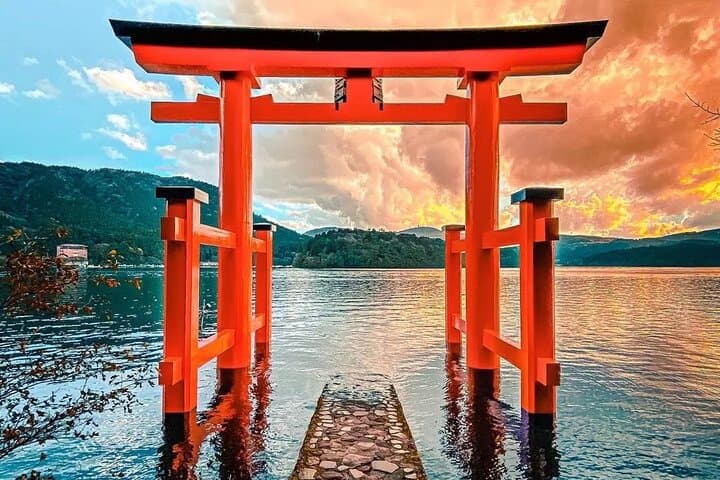
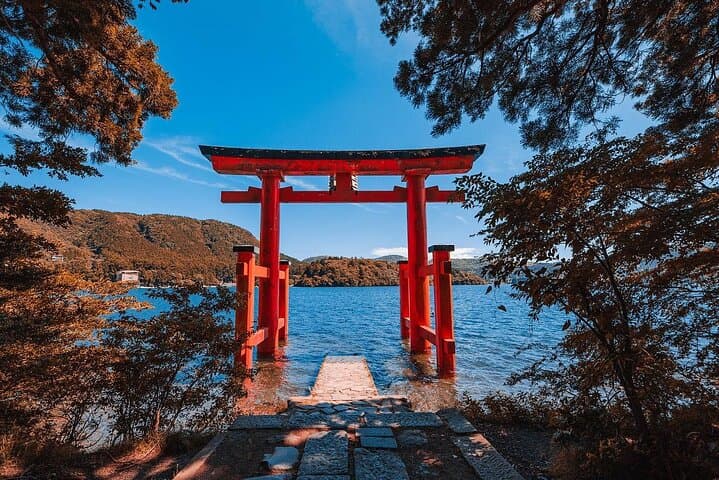
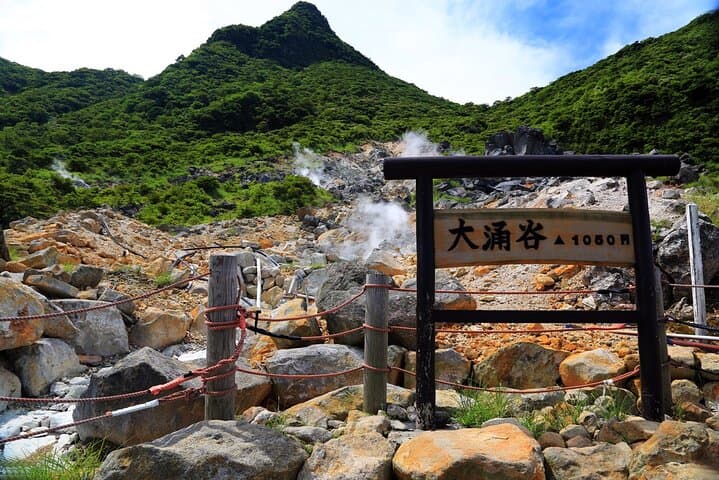
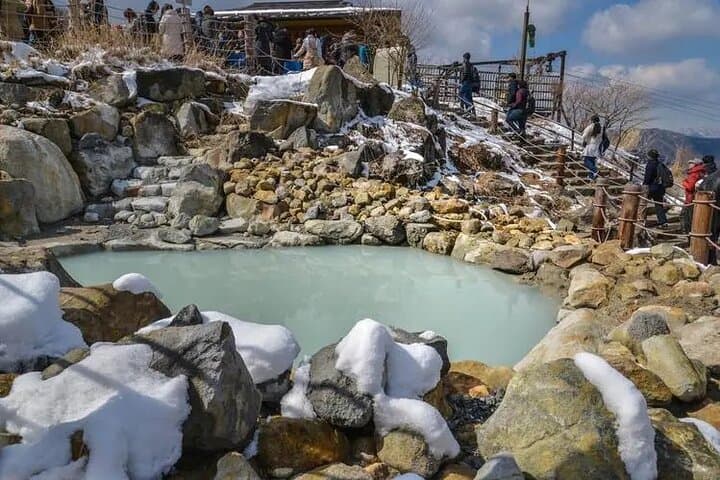
The morning air in Hakone bites with volcanic cold and a clarity that makes Mount Fuji suddenly intimate. A private car eases along switchbacks, cedars leaning close to the road like patient witnesses, and the driver listens as the group chooses: a stop at Owakudani to watch steam vent like a living breath from the earth, a lakeside pause at Lake Ashi to photograph the vermilion torii of Hakone Shrine, or a soak in an onsen that smells faintly of sulfur. Because the tour is private and customizable, the itinerary bends to those little urgencies—the wish to linger at a sculpture in the Open-Air Museum, the need for a slow tea ceremony in Gora Park, the sudden desire for a ropeway ride with Fuji framed in the window.
Verified experiences and guided adventures in the surrounding area.
Operated by osakatravel · Hakone, Kanagawa
The morning air in Hakone bites with volcanic cold and a clarity that makes Mount Fuji suddenly intimate. A private car eases along switchbacks, cedars leaning close to the road like patient witnesses, and the driver listens as the group chooses: a stop at Owakudani to watch steam vent like a living breath from the earth, a lakeside pause at Lake Ashi to photograph the vermilion torii of Hakone Shrine, or a soak in an onsen that smells faintly of sulfur. Because the tour is private and customizable, the itinerary bends to those little urgencies—the wish to linger at a sculpture in the Open-Air Museum, the need for a slow tea ceremony in Gora Park, the sudden desire for a ropeway ride with Fuji framed in the window.
Hakone sits on an active caldera formed by repeated eruptions of the Hakone volcano over tens of thousands of years; Owakudani’s sulfur vents are the most immediate geological reminder. In the Edo period Hakone was also a choke point on the Tōkaidō road, its checkpoint controlling movement between Kyoto and Edo—small museums and reconstructed barriers along Lake Ashi recount those stories. Today, the area balances tourism and tradition: ryokans and onsens run alongside modern art museums and ropeways, and local craftspeople still sell yosegi marquetry in village storefronts.
Practically, the day is a stitched route of short walks, viewpoints and cultural stops. Expect roughly 8–30 minutes on-foot at each attraction—steep boardwalks and paved promenades predominate, with occasional gravel near volcano vents. Elevation varies from lakeshore at ~720 feet (Lake Ashi) up to Owakudani’s 1,200–1,500 feet; there is no sustained elevation gain but some uneven ground at crater sites.
Book a start time that matches your priorities: sunrise for Fuji framed over Lake Ashi, mid-morning for clearer views at Owakudani, late afternoon for softer light in Gora Park and the Open-Air Museum. Bring layered clothing—weather on the ridge shifts quickly—and shoes with a grippy sole for sulfur-stained paths. If soaking in an onsen matters, reserve a ryokan or public bath stop in advance; many places have gendered or mixed bathing options and simple rules like rinsing before entering.
The customizable nature of this private tour is its strength: it saves travel time between scattered sights, allows multi-generational pacing, and folds in on-the-ground reservations. Travelers should communicate mobility needs and luggage counts ahead of time—the vehicles accommodate up to 13 passengers but space varies. In return, Hakone delivers a compact, varied day: a living volcano daring you to look closer, a lake that insists on quiet, and hot springs that invite the body to rest.
easy.
10 hours.
Suitable for most fitness levels; expect short walks (5–30 minutes) and standing at viewpoints.
Yes—the tour is flexible within Hakone and the driver/operator will adjust routing if time and reservations allow.
Admission is not included by default; tell the operator which attractions you want to visit so they can advise on fees and book where possible.
Meals are not included; the driver can stop at local restaurants or lakeside cafes—inform dietary restrictions in advance for recommendations.
The vehicles and many stops are wheelchair accessible, but some sites (Owakudani paths, ropeway platforms) have uneven surfaces; notify the operator of mobility needs beforehand.
Hakone distances are compact—most drives between attractions range from 10–30 minutes depending on traffic and route selection.
Yes—while credit cards are accepted at larger museums and shops, smaller vendors, shrine donations and some onsen may be cash-only.
Hakone was a vital Edo-period checkpoint on the Tōkaidō route; remnants and museums around Lake Ashi recall the region’s role in controlling travel between Kyoto and Edo.
Visitors should respect onsen etiquette, stay on marked trails near geothermal areas to limit erosion, and avoid feeding wildlife; many ryokans participate in water-management practices to minimize onsen runoff.
osakatravel operates guided outdoor trips and adventures with an emphasis on safety, stewardship, and memorable experiences.
The morning air in Hakone bites with volcanic cold and a clarity that makes Mount Fuji suddenly intimate. A private car eases along switchbacks, cedars leaning close to the road like patient witnesses, and the driver listens as the group chooses: a stop at Owakudani to watch steam vent like a living breath from the earth, a lakeside pause at Lake Ashi to photograph the vermilion torii of Hakone Shrine, or a soak in an onsen that smells faintly of sulfur. Because the tour is private and customizable, the itinerary bends to those little urgencies—the wish to linger at a sculpture in the Open-Air Museum, the need for a slow tea ceremony in Gora Park, the sudden desire for a ropeway ride with Fuji framed in the window.
The morning air in Hakone bites with volcanic cold and a clarity that makes Mount Fuji suddenly intimate. A private car eases along switchbacks, cedars leaning close to the road like patient witnesses, and the driver listens as the group chooses: a stop at Owakudani to watch steam vent like a living breath from the earth, a lakeside pause at Lake Ashi to photograph the vermilion torii of Hakone Shrine, or a soak in an onsen that smells faintly of sulfur. Because the tour is private and customizable, the itinerary bends to those little urgencies—the wish to linger at a sculpture in the Open-Air Museum, the need for a slow tea ceremony in Gora Park, the sudden desire for a ropeway ride with Fuji framed in the window.
Hakone sits on an active caldera formed by repeated eruptions of the Hakone volcano over tens of thousands of years; Owakudani’s sulfur vents are the most immediate geological reminder. In the Edo period Hakone was also a choke point on the Tōkaidō road, its checkpoint controlling movement between Kyoto and Edo—small museums and reconstructed barriers along Lake Ashi recount those stories. Today, the area balances tourism and tradition: ryokans and onsens run alongside modern art museums and ropeways, and local craftspeople still sell yosegi marquetry in village storefronts.
Practically, the day is a stitched route of short walks, viewpoints and cultural stops. Expect roughly 8–30 minutes on-foot at each attraction—steep boardwalks and paved promenades predominate, with occasional gravel near volcano vents. Elevation varies from lakeshore at ~720 feet (Lake Ashi) up to Owakudani’s 1,200–1,500 feet; there is no sustained elevation gain but some uneven ground at crater sites.
Book a start time that matches your priorities: sunrise for Fuji framed over Lake Ashi, mid-morning for clearer views at Owakudani, late afternoon for softer light in Gora Park and the Open-Air Museum. Bring layered clothing—weather on the ridge shifts quickly—and shoes with a grippy sole for sulfur-stained paths. If soaking in an onsen matters, reserve a ryokan or public bath stop in advance; many places have gendered or mixed bathing options and simple rules like rinsing before entering.
The customizable nature of this private tour is its strength: it saves travel time between scattered sights, allows multi-generational pacing, and folds in on-the-ground reservations. Travelers should communicate mobility needs and luggage counts ahead of time—the vehicles accommodate up to 13 passengers but space varies. In return, Hakone delivers a compact, varied day: a living volcano daring you to look closer, a lake that insists on quiet, and hot springs that invite the body to rest.