THE ADVENTURE COLLECTIVE® · Independent discovery and booking for outdoor travel

Walk Dhaka with a local who tailors the route to your interests — from the Buriganga ghats to Armanitola’s historic lanes. Expect street food, architectural highlights, and flexible pacing ideal for first-time visitors.
Walk Dhaka with a local who tailors the route to your interests — from the Buriganga ghats to Armanitola’s historic lanes. Expect street food, architectural highlights, and flexible pacing ideal for first-time visitors.
A narrow lane opens into a riverfront clotted with boats and life — the Buriganga pushes slow and constant, ferrying commuters and memories past ghats and warehouses. A local guide steps forward, parsing the city's layers: rickshaw corridors, spice-scented stalls, stained-glass mosques and quiet sweets shops. The walk moves at the guest's pace, softening the city's edge into reachable detail.
Verified experiences and guided adventures in the surrounding area.
Operated by Guydeez · Dhaka, Dhaka
A narrow lane opens into a riverfront clotted with boats and life — the Buriganga pushes slow and constant, ferrying commuters and memories past ghats and warehouses. A local guide steps forward, parsing the city's layers: rickshaw corridors, spice-scented stalls, stained-glass mosques and quiet sweets shops. The walk moves at the guest's pace, softening the city's edge into reachable detail.
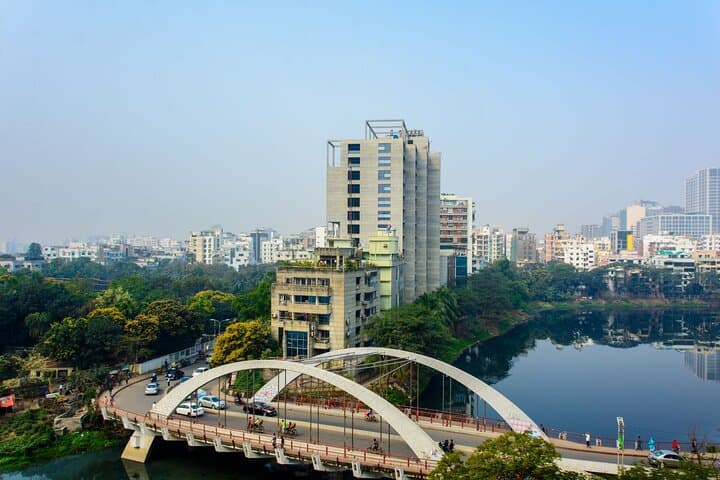
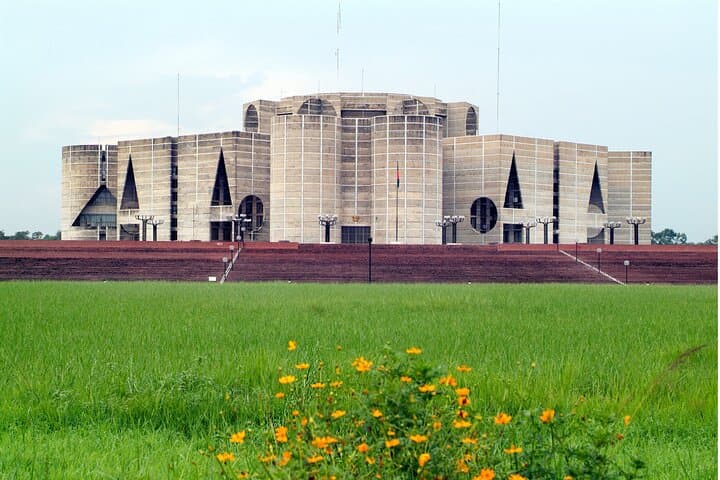
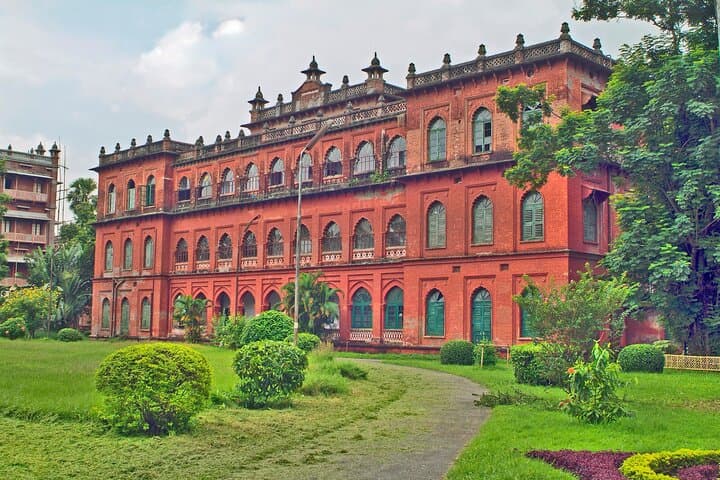
Dhaka's streets are written by history: Mughal riverine planning, British-era trade houses, and pockets of Armenian and Hindu settlement that left brick churches, star-patterned mosques, and the state-owned Dhakeshwari Temple. Geologically the city sits on the Bengal delta — flat, prone to seasonal water and rich alluvial soil — which explains the twisting waterways and crowded ghats along the Buriganga.
Culturally the tour is attentive: a guide can steer you toward Bengali street food, the bustle of Sadarghat, or the quiet courtyards of Armanitola. Local insights reveal how neighborhoods shift from textile workshops to family shrines within a block.
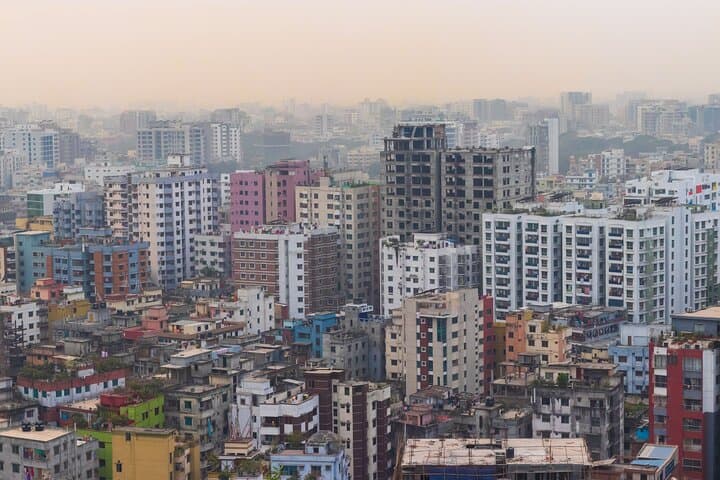
Practically, expect mostly paved streets and alleys with occasional uneven patches; the pace can range from easy strolls to full-day explorations (2–8 hours). Morning or late afternoon reduces heat and market crowds. Wear sturdy shoes, carry water, and confirm meeting and pickup at your accommodation. The private format allows wheelchair access where feasible and tailored stops — from architecture to food tasting — while minimizing time lost navigating Dhaka’s dense traffic. With a knowledgeable local, the city’s noise becomes a map you can read.
easy.
2–8 hours.
Suitable for most fitness levels; be prepared for several hours on foot if you choose a longer option
Meet-up is typically at your accommodation if it’s in the city; the guide can also arrange nearby public meeting points.
Yes — the tour is private and the guide will tailor stops to your interests, from architecture to food sampling.
Many central areas and transportation options are wheelchair accessible, but some narrow alleys and older sites may have limited access — confirm specifics with the operator.
Dress modestly when visiting mosques and temples: shoulders covered, modest lower garments, and remove shoes where required; follow any guidance from your guide.
Dhaka grew as a Mughal river port and later became a commercial hub; pockets like Armanitola reflect Armenian and colonial-era communities.
Buriganga River faces pollution and cleanup efforts; visitors can minimize impact by avoiding single-use plastics and supporting local businesses that practice waste reduction.
Guydeez operates guided outdoor trips and adventures with an emphasis on safety, stewardship, and memorable experiences.
A narrow lane opens into a riverfront clotted with boats and life — the Buriganga pushes slow and constant, ferrying commuters and memories past ghats and warehouses. A local guide steps forward, parsing the city's layers: rickshaw corridors, spice-scented stalls, stained-glass mosques and quiet sweets shops. The walk moves at the guest's pace, softening the city's edge into reachable detail.
A narrow lane opens into a riverfront clotted with boats and life — the Buriganga pushes slow and constant, ferrying commuters and memories past ghats and warehouses. A local guide steps forward, parsing the city's layers: rickshaw corridors, spice-scented stalls, stained-glass mosques and quiet sweets shops. The walk moves at the guest's pace, softening the city's edge into reachable detail.
Dhaka's streets are written by history: Mughal riverine planning, British-era trade houses, and pockets of Armenian and Hindu settlement that left brick churches, star-patterned mosques, and the state-owned Dhakeshwari Temple. Geologically the city sits on the Bengal delta — flat, prone to seasonal water and rich alluvial soil — which explains the twisting waterways and crowded ghats along the Buriganga.
Culturally the tour is attentive: a guide can steer you toward Bengali street food, the bustle of Sadarghat, or the quiet courtyards of Armanitola. Local insights reveal how neighborhoods shift from textile workshops to family shrines within a block.
Practically, expect mostly paved streets and alleys with occasional uneven patches; the pace can range from easy strolls to full-day explorations (2–8 hours). Morning or late afternoon reduces heat and market crowds. Wear sturdy shoes, carry water, and confirm meeting and pickup at your accommodation. The private format allows wheelchair access where feasible and tailored stops — from architecture to food tasting — while minimizing time lost navigating Dhaka’s dense traffic. With a knowledgeable local, the city’s noise becomes a map you can read.