THE ADVENTURE COLLECTIVE® · Independent discovery and booking for outdoor travel

Spend a day guided through Delhi’s busiest markets with a private car, a local English‑speaking guide and the convenience of secure storage for purchases. Choose three markets to explore — from Chandni Chowk’s historic lanes to Khan Market’s boutique shops — and cover more ground without the logistics stress.
Spend a day guided through Delhi’s busiest markets with a private car, a local English‑speaking guide and the convenience of secure storage for purchases. Choose three markets to explore — from Chandni Chowk’s historic lanes to Khan Market’s boutique shops — and cover more ground without the logistics stress.
You step out of an air‑conditioned car and into a corridor of sound: vendors calling, carts creaking, the quick rhythm of bargaining. The streets themselves seem to dare you forward — narrow lanes pushing you toward spice stalls, fabric hawkers and small eateries where steam rises in thin curtains.
Verified experiences and guided adventures in the surrounding area.
Operated by SITA World Tours · New Delhi, Delhi
You step out of an air‑conditioned car and into a corridor of sound: vendors calling, carts creaking, the quick rhythm of bargaining. The streets themselves seem to dare you forward — narrow lanes pushing you toward spice stalls, fabric hawkers and small eateries where steam rises in thin curtains.
Many of Delhi’s markets carry layers of history. Chandni Chowk, founded in the 17th century under Shah Jahan, still bears the geometry of Mughal planning. Connaught Place and Janpath reflect British‑era urbanism, while Hauz Khas and Dilli Haat show the city’s newer, curated crafts scene. Geologically the city sits on the flat alluvial plain of the Yamuna; the river and the Delhi Ridge have long influenced where people settled and where markets clustered.
Culture here is tactile: textiles that demand touch, spices that insist on smell, shopkeepers who measure value in conversation. Expect a pace that shifts between slow appraisal and sudden bargaining, and a landscape that alternates between open bazaars and cool mall corridors.
Practical guidance: pick three markets and plan routes by when each market opens and closes — some neighborhoods shut on specific weekdays. Bring comfortable shoes, keep purchases locked in the provided vehicle through the day, and carry small change for quick purchases. Eat where the locals do but choose busier stalls for safer food. Communicate your priorities to the guide at pickup so the day fits your style — whether you want antiques, fabrics, or bargain hunting — and let the city nudge you into discoveries along the way.
moderate.
5–6 hours.
Moderate — able to manage extended walking, standing, and negotiating crowded areas.
The tour is built for any three markets; your guide will plan a route considering opening days and distances to comfortably cover them in about six hours.
Yes—haggling is common in bazaars like Janpath, Sarojini Nagar and Karol Bagh; start lower than the asking price and be polite but firm.
Yes — the private air‑conditioned vehicle provided stays with you so you can store purchases securely during the day.
Lunch is offered at a local restaurant but paid for by participants; bottled water is included in the package.
Many Delhi markets trace their roots to Mughal or colonial planning—Chandni Chowk dates to the 1600s while Connaught Place reflects early 20th‑century British design.
Markets generate significant waste and plastic; favor shops that wrap items in paper or reusable bags and avoid single‑use plastics when possible.
SITA World Tours operates guided outdoor trips and adventures with an emphasis on safety, stewardship, and memorable experiences.


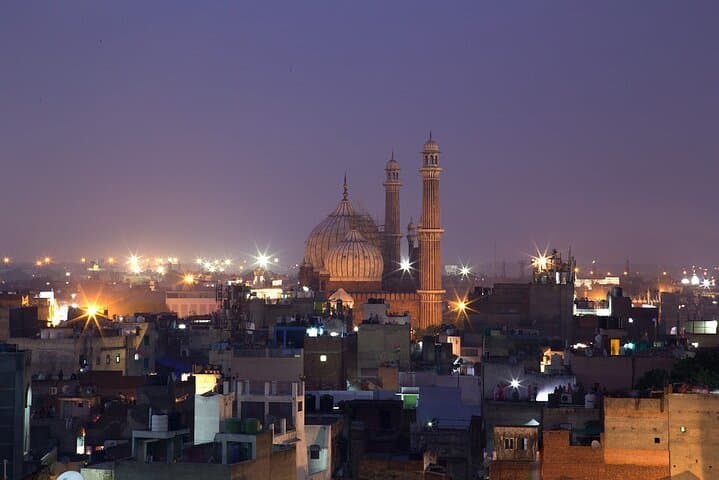

You step out of an air‑conditioned car and into a corridor of sound: vendors calling, carts creaking, the quick rhythm of bargaining. The streets themselves seem to dare you forward — narrow lanes pushing you toward spice stalls, fabric hawkers and small eateries where steam rises in thin curtains.
You step out of an air‑conditioned car and into a corridor of sound: vendors calling, carts creaking, the quick rhythm of bargaining. The streets themselves seem to dare you forward — narrow lanes pushing you toward spice stalls, fabric hawkers and small eateries where steam rises in thin curtains.
Many of Delhi’s markets carry layers of history. Chandni Chowk, founded in the 17th century under Shah Jahan, still bears the geometry of Mughal planning. Connaught Place and Janpath reflect British‑era urbanism, while Hauz Khas and Dilli Haat show the city’s newer, curated crafts scene. Geologically the city sits on the flat alluvial plain of the Yamuna; the river and the Delhi Ridge have long influenced where people settled and where markets clustered.
Culture here is tactile: textiles that demand touch, spices that insist on smell, shopkeepers who measure value in conversation. Expect a pace that shifts between slow appraisal and sudden bargaining, and a landscape that alternates between open bazaars and cool mall corridors.
Practical guidance: pick three markets and plan routes by when each market opens and closes — some neighborhoods shut on specific weekdays. Bring comfortable shoes, keep purchases locked in the provided vehicle through the day, and carry small change for quick purchases. Eat where the locals do but choose busier stalls for safer food. Communicate your priorities to the guide at pickup so the day fits your style — whether you want antiques, fabrics, or bargain hunting — and let the city nudge you into discoveries along the way.