THE ADVENTURE COLLECTIVE® · Independent discovery and booking for outdoor travel

Walk through centuries in a single morning: from the gold-lined foundations of Coricancha to the soaring ramparts of Sacsayhuamán. This private Cusco tour mixes compact archaeology, panoramic views, and practical tips for altitude and tickets.
Walk through centuries in a single morning: from the gold-lined foundations of Coricancha to the soaring ramparts of Sacsayhuamán. This private Cusco tour mixes compact archaeology, panoramic views, and practical tips for altitude and tickets.
Morning light spills across Cusco’s Plaza de Armas and the city wakes in a slow, deliberate rhythm. The guide meets travelers at their hotel and the group threads through narrow colonial streets where Spanish stone facades rest on Inca foundations; the city itself feels like a conversation between two eras.
Verified experiences and guided adventures in the surrounding area.
Operated by LimaTours · Cusco, Cusco
Morning light spills across Cusco’s Plaza de Armas and the city wakes in a slow, deliberate rhythm. The guide meets travelers at their hotel and the group threads through narrow colonial streets where Spanish stone facades rest on Inca foundations; the city itself feels like a conversation between two eras.
The route begins at Coricancha, the Inca “Temple of the Sun,” whose stone core survives beneath the Santo Domingo convent. Spanish builders erected baroque wings atop Inca masonry, leaving visible joints that tell a story of conquest and adaptation. From the plaza the tour climbs to the hill of Sacsayhuamán: massive, interlocking megaliths arranged on terraces that command the valley. Qenqo and Tambomachay follow—sites tied to agricultural rites and advanced hydraulic engineering respectively—while Puka Pukara shows strategic Inca military planning.
Geology here is immediate: volcanic andesite and glacially ground soils shaped Inca quarrying and terrace agriculture. Local guides bring culture alive with Quechua names, ritual practices and practical facts—like why water was sacred and how stones were transported.
Practical guidance: allow four hours, wear sturdy walking shoes for uneven stone and loose gravel, and move at a deliberate pace to manage altitude—Cusco sits above 3,300 m (10,800 ft). Purchase the Cusco Tourist Ticket (BTC) in advance to skip ticket lines for the archaeological circuit. Carry water, sunscreen, and a lightweight rain layer—weather can shift rapidly. Expect moderate walking with short climbs and superb panoramic views; plan for hotel pickup and passport copy requirements for booking confirmation.
easy.
4 hours.
Suitable for travelers in average physical condition; involves short uphill walks and uneven footing.
Yes—BTC grants access to Sacsayhuamán, Qenqo, Puka Pukara, Tambomachay and other sites; buy it in advance or through your operator.
Yes; the itinerary is rated easy with moderate walking, but guardians should monitor children on uneven terrain and older adults may prefer a gentler pace.
Yes—private pickup and drop-off are included; you must provide hotel name and address after booking for coordination.
Acclimatize with a full day in Cusco before touring, hydrate, avoid alcohol, and carry acetazolamide only if prescribed by a physician.
Cusco was the political and spiritual center of the Inca Empire; Spanish colonists built churches atop Inca temples, leaving mixed architecture that reveals layers of cultural change.
Stay on marked paths and avoid touching carved stone; visitor numbers are managed through BTC passes—support local guides and respect signage to reduce erosion and wear.
LimaTours operates guided outdoor trips and adventures with an emphasis on safety, stewardship, and memorable experiences.
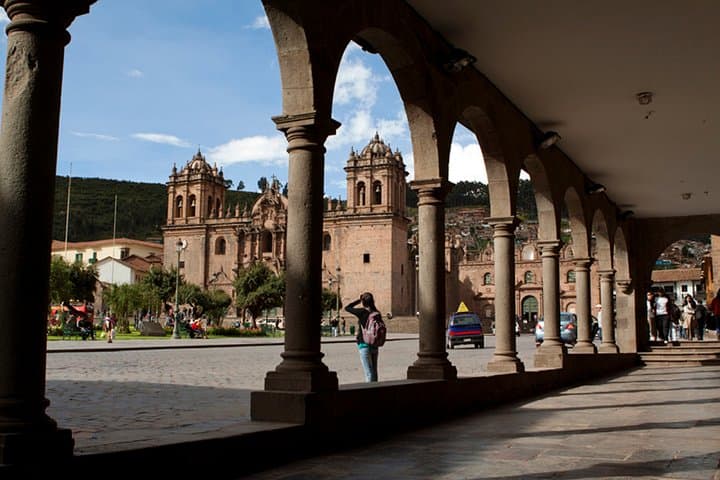
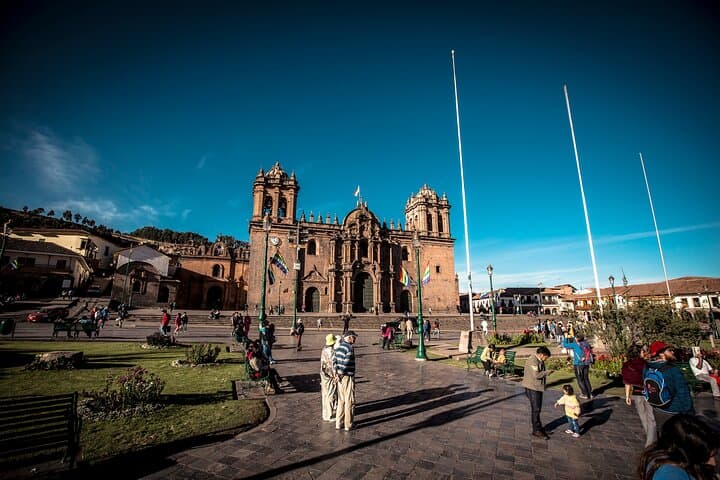
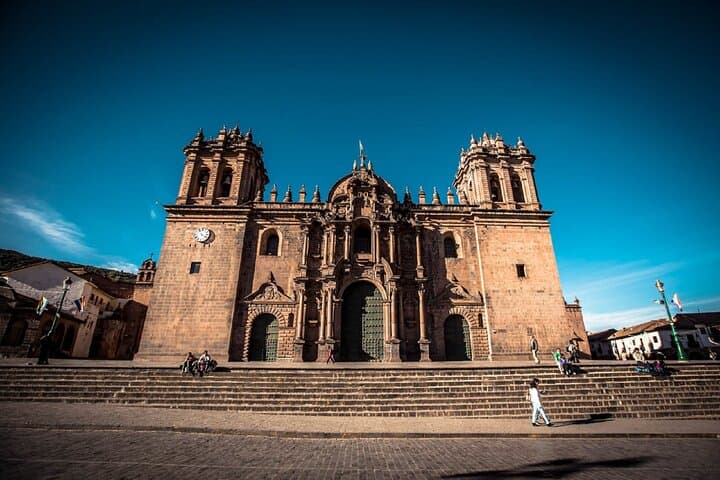
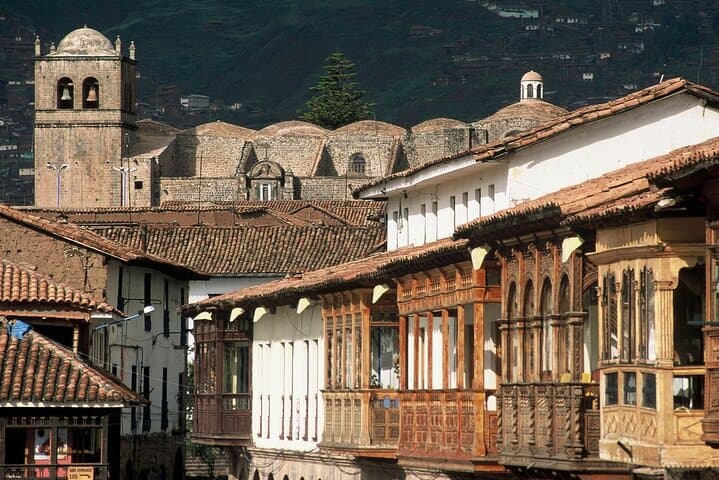
Morning light spills across Cusco’s Plaza de Armas and the city wakes in a slow, deliberate rhythm. The guide meets travelers at their hotel and the group threads through narrow colonial streets where Spanish stone facades rest on Inca foundations; the city itself feels like a conversation between two eras.
Morning light spills across Cusco’s Plaza de Armas and the city wakes in a slow, deliberate rhythm. The guide meets travelers at their hotel and the group threads through narrow colonial streets where Spanish stone facades rest on Inca foundations; the city itself feels like a conversation between two eras.
The route begins at Coricancha, the Inca “Temple of the Sun,” whose stone core survives beneath the Santo Domingo convent. Spanish builders erected baroque wings atop Inca masonry, leaving visible joints that tell a story of conquest and adaptation. From the plaza the tour climbs to the hill of Sacsayhuamán: massive, interlocking megaliths arranged on terraces that command the valley. Qenqo and Tambomachay follow—sites tied to agricultural rites and advanced hydraulic engineering respectively—while Puka Pukara shows strategic Inca military planning.
Geology here is immediate: volcanic andesite and glacially ground soils shaped Inca quarrying and terrace agriculture. Local guides bring culture alive with Quechua names, ritual practices and practical facts—like why water was sacred and how stones were transported.
Practical guidance: allow four hours, wear sturdy walking shoes for uneven stone and loose gravel, and move at a deliberate pace to manage altitude—Cusco sits above 3,300 m (10,800 ft). Purchase the Cusco Tourist Ticket (BTC) in advance to skip ticket lines for the archaeological circuit. Carry water, sunscreen, and a lightweight rain layer—weather can shift rapidly. Expect moderate walking with short climbs and superb panoramic views; plan for hotel pickup and passport copy requirements for booking confirmation.