THE ADVENTURE COLLECTIVE® · Independent discovery and booking for outdoor travel

A private, curator-led 60–90 minute tour through MALI’s Palace of the Exhibition that traverses 3,000 years of Peruvian art and ends with a private champagne toast in the Salon Prado. Accessible, intimate, and ideal for visitors who want expert context and behind-the-scenes access.
A private, curator-led 60–90 minute tour through MALI’s Palace of the Exhibition that traverses 3,000 years of Peruvian art and ends with a private champagne toast in the Salon Prado. Accessible, intimate, and ideal for visitors who want expert context and behind-the-scenes access.
You step through the carved stone arch of the Palace of the Exhibition and the city noise softens into gallery hush. Light from high windows pools on pottery, textiles and gilded frames; a curator falls into cadence with the objects, guiding you from pre-Columbian ceramics to modern canvases. The visit reads like a guided timeline of Peruvian visual culture, punctuated at the end by a glass of champagne in the Salon Prado—an intimate room usually closed to the public.
Verified experiences and guided adventures in the surrounding area.
Operated by Museo de Arte de Lima · Lima, Lima
You step through the carved stone arch of the Palace of the Exhibition and the city noise softens into gallery hush. Light from high windows pools on pottery, textiles and gilded frames; a curator falls into cadence with the objects, guiding you from pre-Columbian ceramics to modern canvases. The visit reads like a guided timeline of Peruvian visual culture, punctuated at the end by a glass of champagne in the Salon Prado—an intimate room usually closed to the public.
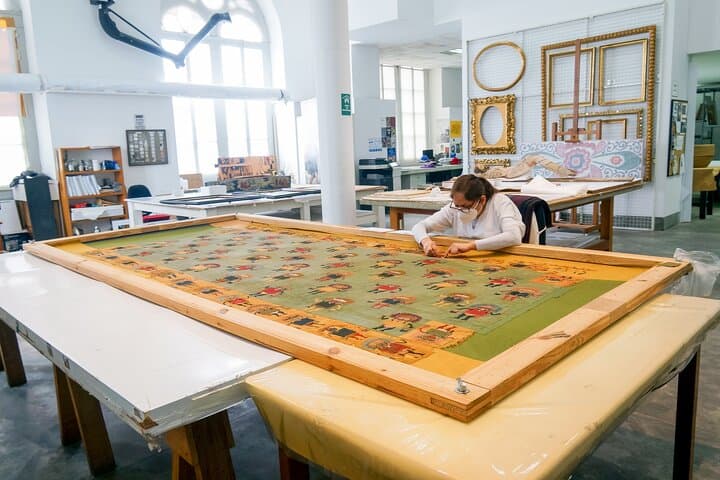
The museum occupies a late-19th-century exhibition palace on Lima’s coastal plain, a structure that reflects the city’s republican era ambitions. Inside, galleries trace more than three millennia of Peruvian art: coastal marine iconography, Andean textile techniques, and the colonial-era mixing of European and indigenous forms. Conservation technicians work behind closed doors to stabilize fragile pieces; on this private tour you get rare access and context about those efforts.
Practicalities matter: the tour runs 60–90 minutes, is wheelchair-accessible, and is suited to visitors of all fitness levels. Photography rules and climate-controlled rooms protect delicate works—expect to be asked to avoid flash. Morning tours dodge peak visitor traffic and give better light for reading labels.
For planning: bring comfortable, quiet shoes, a light layer for cool galleries, and an ID for entry. Public transit drops you a short walk away in central Lima, and the museum staff can accommodate accessibility needs. This is a focused cultural encounter—compact, illuminating, and designed to deepen your understanding of Peru’s visual history while offering access few other visitors receive.
easy.
1–1.5 hours.
Suitable for most visitors; requires only light walking and standing for short periods
The tour lasts approximately 60–90 minutes and includes temporary exhibitions, the permanent collection, and a champagne toast in the Salon Prado.
Yes—both the museum and the private tour spaces are wheelchair-accessible; indicate requirements when booking.
Yes—this private visit includes access to the conservation department, a space typically closed to the general public, subject to curator discretion.
A glass of champagne is included at the end of the tour in the exclusive Salon Prado; additional food is not normally provided.
The Palace of the Exhibition dates from Lima’s late-19th-century urban expansion and now houses MALI’s collections that span pre-Columbian to contemporary art.
The museum uses climate-controlled galleries and restricted-access conservation labs to preserve vulnerable materials; private tours limit traffic in sensitive spaces to reduce wear.
Museo de Arte de Lima operates guided outdoor trips and adventures with an emphasis on safety, stewardship, and memorable experiences.
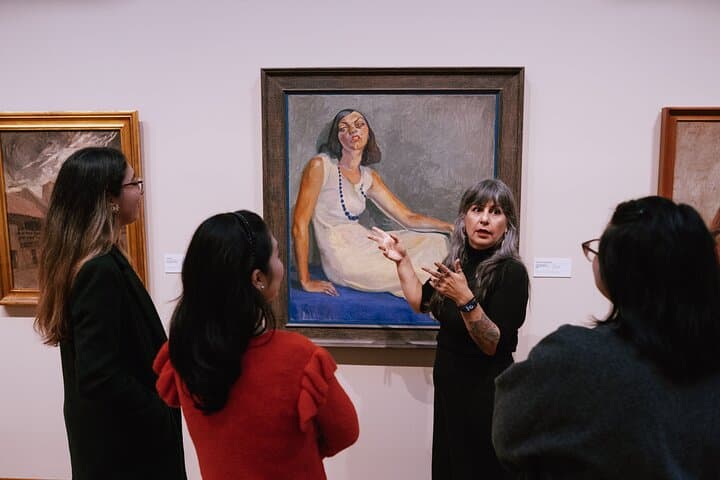
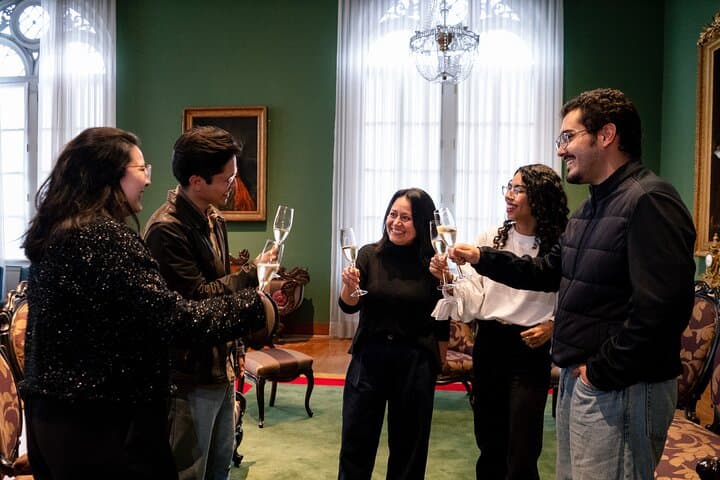
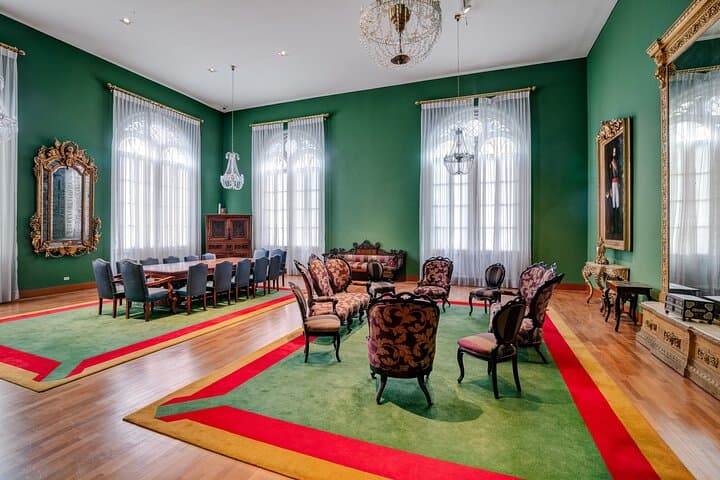
You step through the carved stone arch of the Palace of the Exhibition and the city noise softens into gallery hush. Light from high windows pools on pottery, textiles and gilded frames; a curator falls into cadence with the objects, guiding you from pre-Columbian ceramics to modern canvases. The visit reads like a guided timeline of Peruvian visual culture, punctuated at the end by a glass of champagne in the Salon Prado—an intimate room usually closed to the public.
You step through the carved stone arch of the Palace of the Exhibition and the city noise softens into gallery hush. Light from high windows pools on pottery, textiles and gilded frames; a curator falls into cadence with the objects, guiding you from pre-Columbian ceramics to modern canvases. The visit reads like a guided timeline of Peruvian visual culture, punctuated at the end by a glass of champagne in the Salon Prado—an intimate room usually closed to the public.
The museum occupies a late-19th-century exhibition palace on Lima’s coastal plain, a structure that reflects the city’s republican era ambitions. Inside, galleries trace more than three millennia of Peruvian art: coastal marine iconography, Andean textile techniques, and the colonial-era mixing of European and indigenous forms. Conservation technicians work behind closed doors to stabilize fragile pieces; on this private tour you get rare access and context about those efforts.
Practicalities matter: the tour runs 60–90 minutes, is wheelchair-accessible, and is suited to visitors of all fitness levels. Photography rules and climate-controlled rooms protect delicate works—expect to be asked to avoid flash. Morning tours dodge peak visitor traffic and give better light for reading labels.
For planning: bring comfortable, quiet shoes, a light layer for cool galleries, and an ID for entry. Public transit drops you a short walk away in central Lima, and the museum staff can accommodate accessibility needs. This is a focused cultural encounter—compact, illuminating, and designed to deepen your understanding of Peru’s visual history while offering access few other visitors receive.