THE ADVENTURE COLLECTIVE® · Independent discovery and booking for outdoor travel

Taste your way through Zagreb’s markets and historic streets on a private 3–4 hour walking tour. Sample traditional bites and local wines while a guide connects recipes to the city’s history and neighborhoods.
Taste your way through Zagreb’s markets and historic streets on a private 3–4 hour walking tour. Sample traditional bites and local wines while a guide connects recipes to the city’s history and neighborhoods.
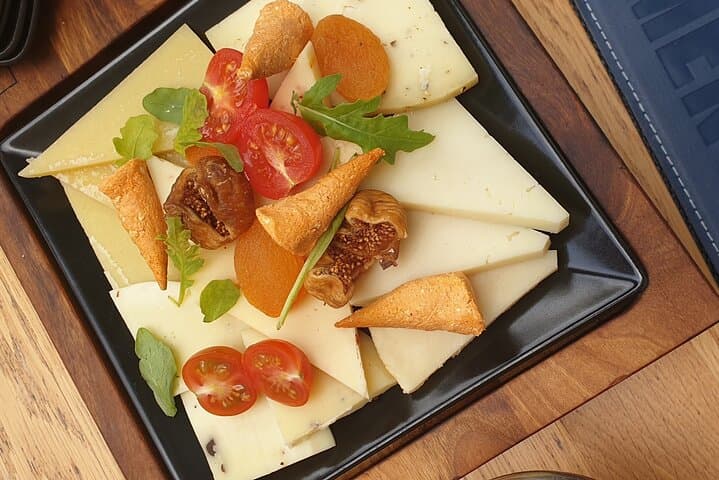
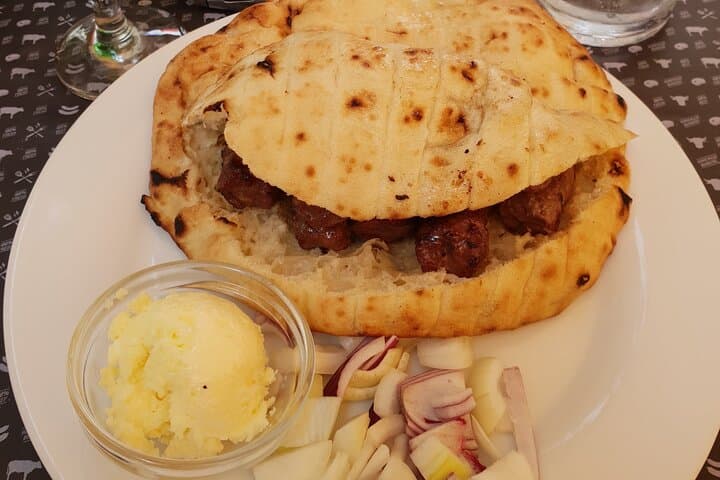
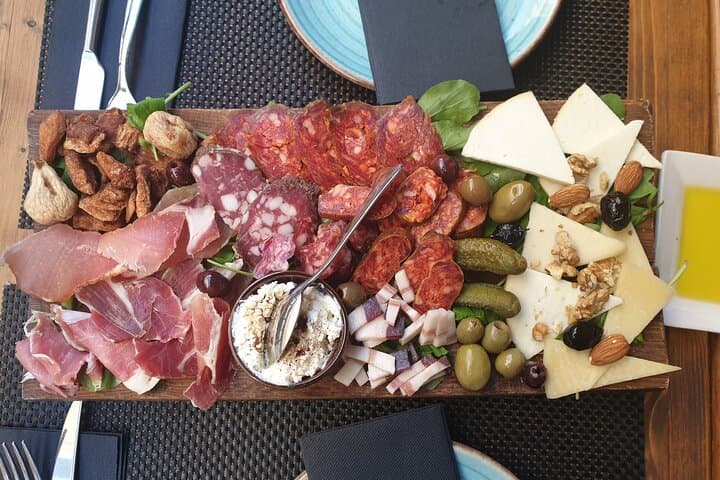
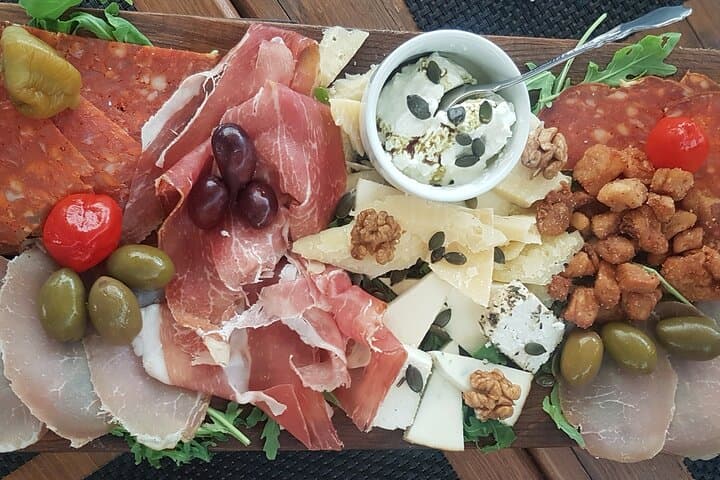
Cold morning air pushes through the open stalls of Dolac Market as vendors arrange cheeses and smoked meats; the city smells of fresh bread, coffee and wood smoke. You move from market stalls to cobbled streets of the Upper Town, tasting Ćevapi, štrukli and local brandies while a guide traces the routes that Zagreb’s residents have walked for centuries.
Verified experiences and guided adventures in the surrounding area.
Operated by T&T Travel Boutique · Zagreb, Zagreb
Cold morning air pushes through the open stalls of Dolac Market as vendors arrange cheeses and smoked meats; the city smells of fresh bread, coffee and wood smoke. You move from market stalls to cobbled streets of the Upper Town, tasting Ćevapi, štrukli and local brandies while a guide traces the routes that Zagreb’s residents have walked for centuries.
The route threads living history—St. Mark’s 13th-century church, the medieval Stone Gate and the cathedral silhouette—each site layered atop the city’s geology of low karst hills and Pannonian plain that shaped settlement patterns. Culinary customs here mix Austro-Hungarian pastry technique with Dalmatian olive oil and inland game, a culture born of crossroads and trade. Local guides often highlight how markets like Dolac anchored daily life long before tourism arrived.
Expect roughly 3–4 hours of walking over uneven cobbles, short staircases and pedestrian streets, stopping at three venues for a total of about ten tastings and local wines. The experience balances flavor education with neighborhood storytelling: why certain cheeses pair with rakija, where bakers still fold dough by hand, and which squares were wartime meeting points.
Practical notes: bring comfortable shoes, a reusable water bottle, and a light rain layer; tastings are included but declare dietary restrictions ahead of time. Morning or early afternoon departures avoid the hottest sun and give the freshest market selections. Book in advance—the tour is private and runs with manual confirmation, making timing and diet requests easier to accommodate.
moderate.
3–4 hours.
Moderate—comfortable walking 2–4 miles (3–6 km) on cobblestones and steps; able to stand during tastings.
Yes—about 10 tastings are included across three venues and market samples; additional drinks you buy are separate.
Yes—the tour is private and customizable; indicate allergies or preferences when booking to allow vendors time to prepare alternatives.
Meetings are typically in central Zagreb near Dolac Market; expect 3–4 hours of walking at a leisurely pace with seated tasting stops.
The tour is family-friendly but requires moderate mobility due to cobbles and stairs; notify the operator if mobility is limited so they can adjust the route.
Dolac Market has been a central marketplace since the early 20th century, anchoring Zagreb’s food culture; Upper Town sites date back to medieval Gradec and Kaptol communities.
Support small vendors and reduce waste by bringing reusable bottles and bags; many vendors source produce regionally, helping local agriculture and reducing food miles.
T&T Travel Boutique operates guided outdoor trips and adventures with an emphasis on safety, stewardship, and memorable experiences.
Cold morning air pushes through the open stalls of Dolac Market as vendors arrange cheeses and smoked meats; the city smells of fresh bread, coffee and wood smoke. You move from market stalls to cobbled streets of the Upper Town, tasting Ćevapi, štrukli and local brandies while a guide traces the routes that Zagreb’s residents have walked for centuries.
Cold morning air pushes through the open stalls of Dolac Market as vendors arrange cheeses and smoked meats; the city smells of fresh bread, coffee and wood smoke. You move from market stalls to cobbled streets of the Upper Town, tasting Ćevapi, štrukli and local brandies while a guide traces the routes that Zagreb’s residents have walked for centuries.
The route threads living history—St. Mark’s 13th-century church, the medieval Stone Gate and the cathedral silhouette—each site layered atop the city’s geology of low karst hills and Pannonian plain that shaped settlement patterns. Culinary customs here mix Austro-Hungarian pastry technique with Dalmatian olive oil and inland game, a culture born of crossroads and trade. Local guides often highlight how markets like Dolac anchored daily life long before tourism arrived.
Expect roughly 3–4 hours of walking over uneven cobbles, short staircases and pedestrian streets, stopping at three venues for a total of about ten tastings and local wines. The experience balances flavor education with neighborhood storytelling: why certain cheeses pair with rakija, where bakers still fold dough by hand, and which squares were wartime meeting points.
Practical notes: bring comfortable shoes, a reusable water bottle, and a light rain layer; tastings are included but declare dietary restrictions ahead of time. Morning or early afternoon departures avoid the hottest sun and give the freshest market selections. Book in advance—the tour is private and runs with manual confirmation, making timing and diet requests easier to accommodate.