THE ADVENTURE COLLECTIVE® · Independent discovery and booking for outdoor travel

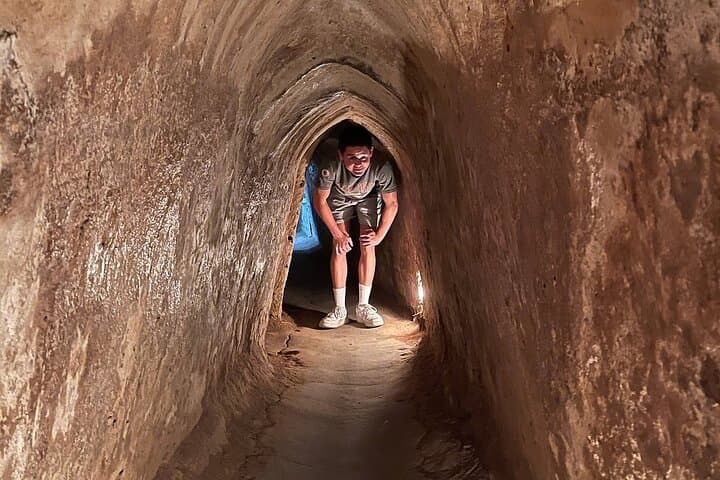
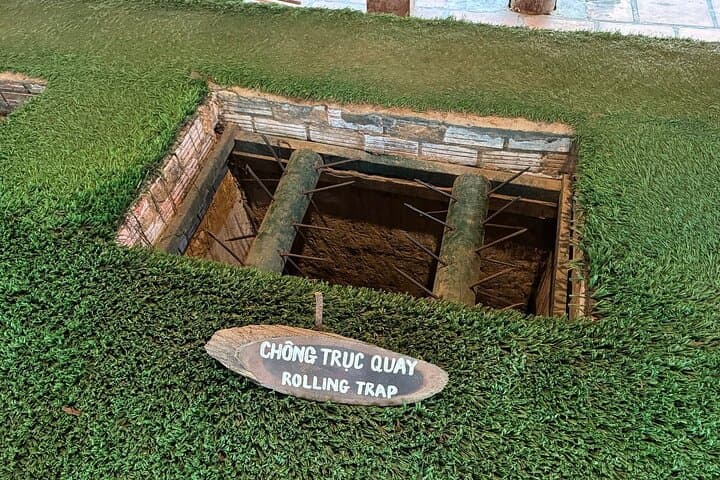
Drive out of Ho Chi Minh City for a half-day private tour through the famed Cu Chi Tunnels—an expansive underground network that reveals wartime ingenuity. Crawl through widened passages, inspect trapdoors, and compare artifacts with a supervised shooting range.
Drive out of Ho Chi Minh City for a half-day private tour through the famed Cu Chi Tunnels—an expansive underground network that reveals wartime ingenuity. Crawl through widened passages, inspect trapdoors, and compare artifacts with a supervised shooting range.
The morning begins on a two-lane highway as the city gives way to rubber and cashew plantations; by the time the road narrows into village lanes, the jungle seems to lean in, as if guarding the ground beneath it. At the Cu Chi Tunnels, guides lead visitors to narrow trapdoors and low, dark passageways that once hid soldiers, supplies and the pulse of a resistance movement.
Verified experiences and guided adventures in the surrounding area.
Operated by Authentic SAPA · Cu Chi, Ho Chi Minh City
The morning begins on a two-lane highway as the city gives way to rubber and cashew plantations; by the time the road narrows into village lanes, the jungle seems to lean in, as if guarding the ground beneath it. At the Cu Chi Tunnels, guides lead visitors to narrow trapdoors and low, dark passageways that once hid soldiers, supplies and the pulse of a resistance movement.
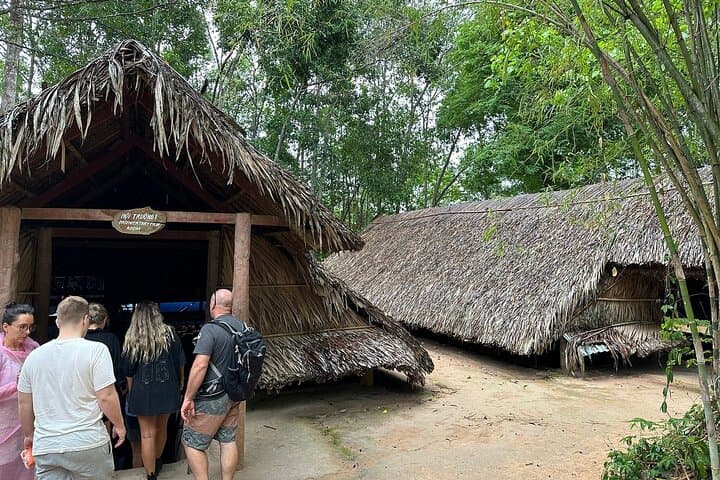
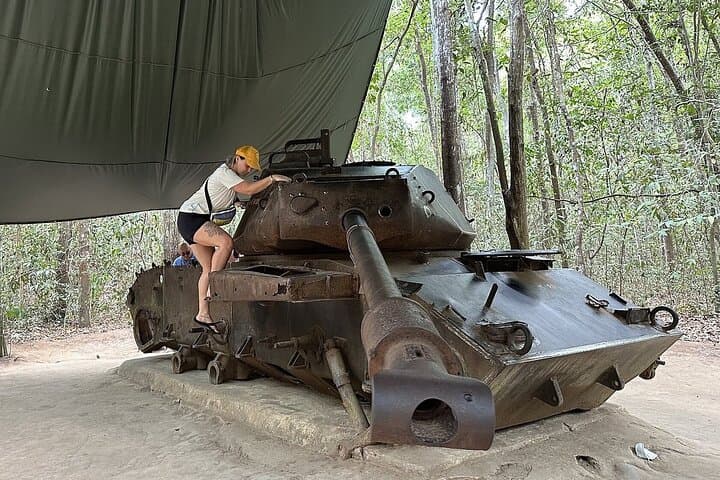
Originally dug in the late 1940s and expanded through the Indochina and Vietnam Wars, the tunnels are a layered history of improvisation—living quarters, kitchens, and hidden clinics hewn from laterite and clay. Geologically, the region’s well-draining red soil made tunneling feasible; culturally, the network reflects rural ingenuity and the tactics of guerrilla warfare. Exhibits nearby display crude tools, handmade booby traps and the staple rations that sustained fighters.
Practically, the site is well set up for visitors: sections of tunnel are widened for tourists, signage explains tactical uses of each chamber, and a short, supervised shooting range offers a modern contrast to wartime artifacts. Expect tight spaces if you choose to crawl—claustrophobia is common—and substantial walking on uneven dirt paths.
Plan for humidity, bring closed-toe shoes and insect repellent, and allow roughly seven hours including hotel pickup and return in Ho Chi Minh City. A private guide compresses history into a focused visit; listen for local stories that link village life to wartime survival. The Cu Chi Tunnels are less a museum than a lived landscape—quiet, practical, and stubbornly persistent beneath the forest floor.
easy.
6–7 hours.
Suitable for average fitness; expect short crouches and up to a few miles of walking on uneven ground
The private half-day tour lasts about 6–7 hours door-to-door and includes hotel pickup and drop-off from central Ho Chi Minh City (District 1).
Yes—parts of the tunnel complex are open to visitors via widened demonstration passages; guests uncomfortable with crawling can stay in surface exhibits instead.
The short firing range is supervised by trained staff, uses modern firearms and safety procedures, and requires following local instructions and any age or health restrictions.
The site has uneven terrain and low entryways; full tunnel access is not wheelchair-friendly—contact the operator in advance for specific assistance options.
The Cu Chi network began as small dugouts in the late 1940s and was expanded into a multi-level tunnel city by Viet Cong forces during the 1960s and 70s, integral to guerrilla strategy.
Visitor impact is managed through defined paths and supervised access; stick to trails, avoid touching exposed artifacts and support local guides to minimize erosion and wear.
Authentic SAPA operates guided outdoor trips and adventures with an emphasis on safety, stewardship, and memorable experiences.
The morning begins on a two-lane highway as the city gives way to rubber and cashew plantations; by the time the road narrows into village lanes, the jungle seems to lean in, as if guarding the ground beneath it. At the Cu Chi Tunnels, guides lead visitors to narrow trapdoors and low, dark passageways that once hid soldiers, supplies and the pulse of a resistance movement.
The morning begins on a two-lane highway as the city gives way to rubber and cashew plantations; by the time the road narrows into village lanes, the jungle seems to lean in, as if guarding the ground beneath it. At the Cu Chi Tunnels, guides lead visitors to narrow trapdoors and low, dark passageways that once hid soldiers, supplies and the pulse of a resistance movement.
Originally dug in the late 1940s and expanded through the Indochina and Vietnam Wars, the tunnels are a layered history of improvisation—living quarters, kitchens, and hidden clinics hewn from laterite and clay. Geologically, the region’s well-draining red soil made tunneling feasible; culturally, the network reflects rural ingenuity and the tactics of guerrilla warfare. Exhibits nearby display crude tools, handmade booby traps and the staple rations that sustained fighters.
Practically, the site is well set up for visitors: sections of tunnel are widened for tourists, signage explains tactical uses of each chamber, and a short, supervised shooting range offers a modern contrast to wartime artifacts. Expect tight spaces if you choose to crawl—claustrophobia is common—and substantial walking on uneven dirt paths.
Plan for humidity, bring closed-toe shoes and insect repellent, and allow roughly seven hours including hotel pickup and return in Ho Chi Minh City. A private guide compresses history into a focused visit; listen for local stories that link village life to wartime survival. The Cu Chi Tunnels are less a museum than a lived landscape—quiet, practical, and stubbornly persistent beneath the forest floor.