THE ADVENTURE COLLECTIVE® · Independent discovery and booking for outdoor travel

Journey 60 km northwest of Saigon to the Cu Chi Tunnels for a compact, immersive half-day tour that pairs cramped underground history with rural culture and an optional shooting range. Practical logistics, safety notes, and what to expect inside the maze.
Journey 60 km northwest of Saigon to the Cu Chi Tunnels for a compact, immersive half-day tour that pairs cramped underground history with rural culture and an optional shooting range. Practical logistics, safety notes, and what to expect inside the maze.
You leave Ho Chi Minh City before dawn; the car slips out of the traffic and the city’s noise thins to the steady hum of the highway. Fields and rubber plantations unroll on either side, the air warming as you approach Cu Chi. At the site, narrow earthen mounds and thick jungle shade frame a low entrance — the tunnel mouth feels small against the sky and asks you to stoop.
Verified experiences and guided adventures in the surrounding area.
Operated by LOCAL TOURS VIETNAM · Ho Chi Minh City, Ho Chi Minh
You leave Ho Chi Minh City before dawn; the car slips out of the traffic and the city’s noise thins to the steady hum of the highway. Fields and rubber plantations unroll on either side, the air warming as you approach Cu Chi. At the site, narrow earthen mounds and thick jungle shade frame a low entrance — the tunnel mouth feels small against the sky and asks you to stoop.
Cu Chi’s subterranean network was expanded into a defensive and living system of nearly 200–250 km by Viet Cong fighters during the war. Built in laterite and sandy soils that drain quickly, the tunnels use clever ventilation chambers and camouflaged trap doors; aboveground, simple villages and rubber groves shaped local life and provided cover.
Today’s half-day visit pairs that history with local culture: try grilled cassava, see craft workshops, and visit sections like Ben Dinh where short crawlways and display rooms are preserved. A supervised shooting range nearby offers a hands-on — and controversial — window into wartime arms training.
Practical guidance: the tour runs about six hours with hotel pickup in an air-conditioned vehicle, bottled water, and an English guide. Expect short crouches and narrow passages; those with spinal, heart, or pregnancy concerns should opt out of crawling. Wear long pants, closed-toe shoes, and bring a small daypack for sun protection and extra water. Morning departures avoid midday heat and give cleaner light for photos.
Respect the site: stay on marked paths, follow guides’ safety briefings, and leave no trace — the tunnels are both fragile and politically significant, a living record of resourcefulness under pressure.
moderate.
5–6 hours.
Comfortable walking fitness with ability to crouch and navigate short, narrow passages; not suitable for those with certain medical issues.
The sites are about 60 km northwest of central Ho Chi Minh City; typical transfer time is 1–1.5 hours depending on traffic.
Some sections are widened and reinforced specifically for visitors to experience crawling; guides will advise which parts are safe and who should refrain.
Many Cu Chi tours include optional supervised shooting at a nearby range; this is an add-on activity and follows strict safety protocols and local regulations.
The tour is not recommended for pregnant travelers or those with spinal or significant heart conditions due to crouching and confined spaces.
Cu Chi’s tunnels were expanded into hundreds of kilometres of interconnected passages by Viet Cong forces during the Vietnam War, serving as living quarters, hospitals, and supply routes.
The site balances tourism with preservation — follow marked paths, avoid touching fragile tunnel sections, and support local guides who explain cultural context rather than sensationalize conflict.
LOCAL TOURS VIETNAM operates guided outdoor trips and adventures with an emphasis on safety, stewardship, and memorable experiences.
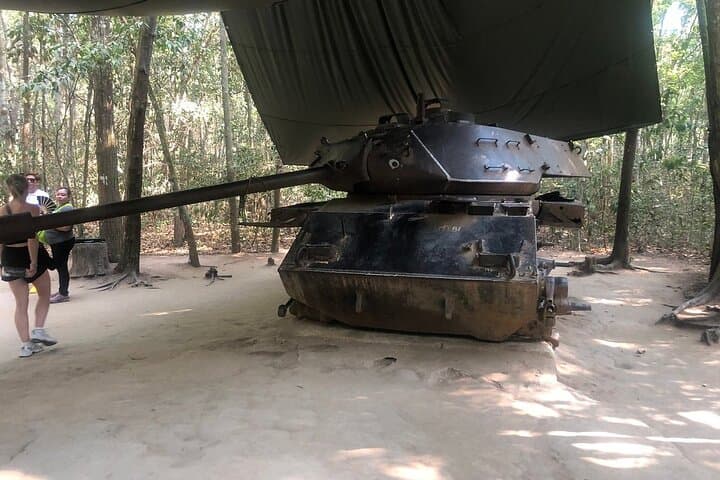

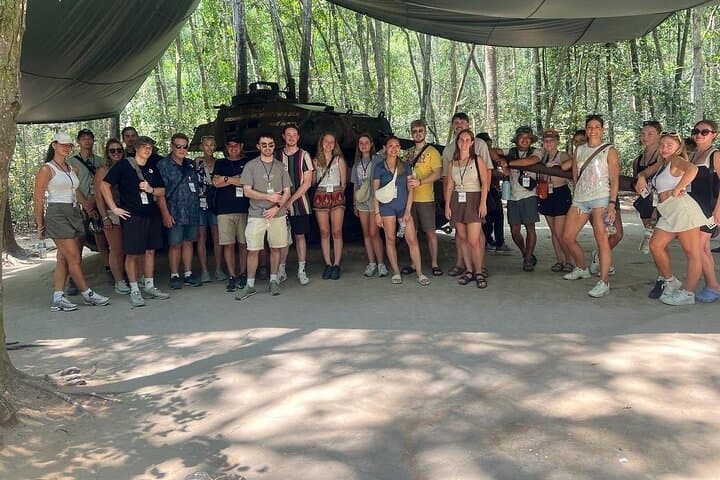
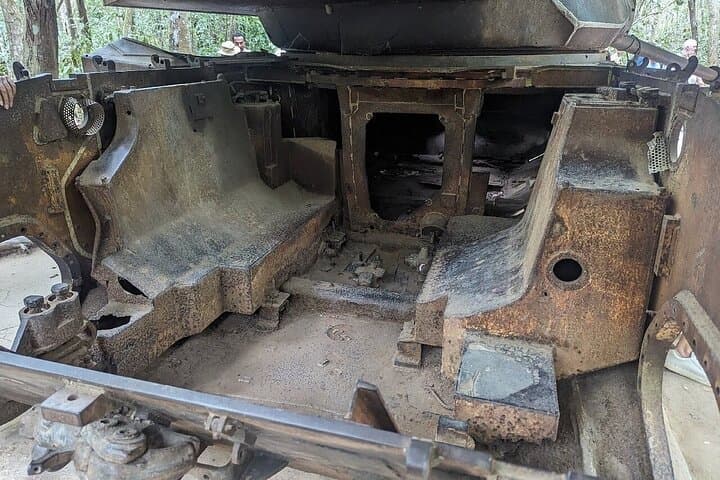
You leave Ho Chi Minh City before dawn; the car slips out of the traffic and the city’s noise thins to the steady hum of the highway. Fields and rubber plantations unroll on either side, the air warming as you approach Cu Chi. At the site, narrow earthen mounds and thick jungle shade frame a low entrance — the tunnel mouth feels small against the sky and asks you to stoop.
You leave Ho Chi Minh City before dawn; the car slips out of the traffic and the city’s noise thins to the steady hum of the highway. Fields and rubber plantations unroll on either side, the air warming as you approach Cu Chi. At the site, narrow earthen mounds and thick jungle shade frame a low entrance — the tunnel mouth feels small against the sky and asks you to stoop.
Cu Chi’s subterranean network was expanded into a defensive and living system of nearly 200–250 km by Viet Cong fighters during the war. Built in laterite and sandy soils that drain quickly, the tunnels use clever ventilation chambers and camouflaged trap doors; aboveground, simple villages and rubber groves shaped local life and provided cover.
Today’s half-day visit pairs that history with local culture: try grilled cassava, see craft workshops, and visit sections like Ben Dinh where short crawlways and display rooms are preserved. A supervised shooting range nearby offers a hands-on — and controversial — window into wartime arms training.
Practical guidance: the tour runs about six hours with hotel pickup in an air-conditioned vehicle, bottled water, and an English guide. Expect short crouches and narrow passages; those with spinal, heart, or pregnancy concerns should opt out of crawling. Wear long pants, closed-toe shoes, and bring a small daypack for sun protection and extra water. Morning departures avoid midday heat and give cleaner light for photos.
Respect the site: stay on marked paths, follow guides’ safety briefings, and leave no trace — the tunnels are both fragile and politically significant, a living record of resourcefulness under pressure.