THE ADVENTURE COLLECTIVE® · Independent discovery and booking for outdoor travel

Spend a long day moving from Saigon’s colonial boulevards to the low, echoing chambers of the Cu Chi Tunnels. This private tour combines downtown landmarks with a thoughtful, guided visit to one of the most extensive guerrilla tunnel networks of the Vietnam War.
Spend a long day moving from Saigon’s colonial boulevards to the low, echoing chambers of the Cu Chi Tunnels. This private tour combines downtown landmarks with a thoughtful, guided visit to one of the most extensive guerrilla tunnel networks of the Vietnam War.
Morning light slices down District 1 alleys as the van pulls away from the hotel; Saigon’s traffic exhales and the city keeps moving while the countryside ahead tightens, green and deliberate. By late morning the road narrows and the earth takes on a quieter tone—this is the landscape that shaped the Cu Chi Tunnels, an underground web where cramped passageways once carried soldiers, messages and supplies.
Verified experiences and guided adventures in the surrounding area.
Operated by LOCAL TOURS VIETNAM · Ho Chi Minh City, Ho Chi Minh
Morning light slices down District 1 alleys as the van pulls away from the hotel; Saigon’s traffic exhales and the city keeps moving while the countryside ahead tightens, green and deliberate. By late morning the road narrows and the earth takes on a quieter tone—this is the landscape that shaped the Cu Chi Tunnels, an underground web where cramped passageways once carried soldiers, messages and supplies.
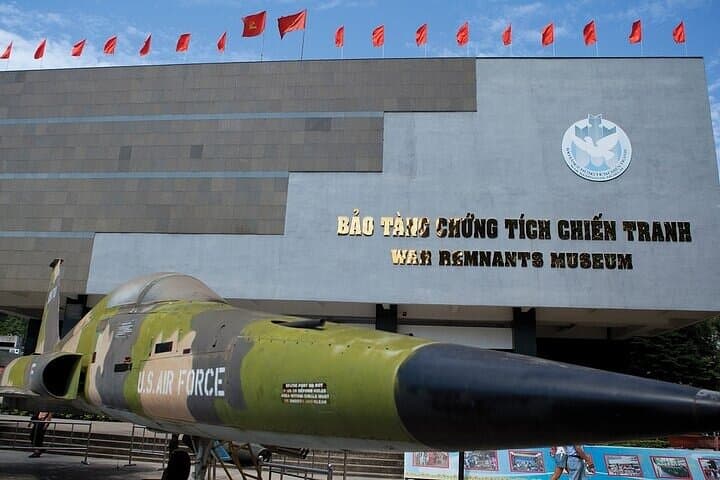
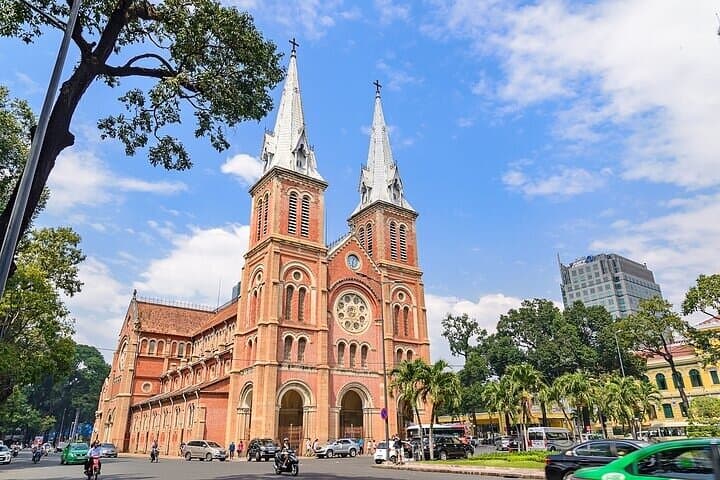
The tour stitches two eras together: French colonial Saigon and the wartime ingenuity of the tunnels. Visitors move from the façade of the Notre-Dame Cathedral and the tile-lined halls of Saigon Central Post Office into the sober rooms of the War Remnants Museum, then out again to the raw, earthen architecture of Cu Chi. Geologically the region is lowland alluvial plain—pocketed clay and silt made excavation possible and concealment effective. Culturally, the day reveals a city that wears its past visibly: colonial stone, wartime relics, and a bustling modern economy.
Expect guided tunnel demonstrations, short crawls in restored sections, and interpretive displays that confront the realities of conflict. The experience is part history lesson, part field sketch of resilience; it’s not adrenaline tourism but a close, sometimes uncomfortable encounter with human survival.
Practical guidance: bring comfortable walking shoes, sun protection, and a light rain layer. Pace yourself through museum exhibits—audio or guide commentary helps absorb context. Allow 9–10 hours for pickup, transit to Cu Chi, museum stops and lunch. Respect signage at historic sites and follow your guide’s instructions inside narrow tunnel sections.
easy.
9–10 hours.
Suitable for most fitness levels; requires short walks and some stooping at the tunnels
Expect about 1–1.5 hours each way depending on traffic; the tour schedules transit time into the full-day itinerary.
Some tunnel sections are shortened and widened for visitors, but very young children may find crawling difficult—check with the guide for family-friendly options.
Yes; entrance fees to Cu Chi and listed museums are included per the itinerary details.
Yes; the operator requests dietary restrictions in advance and can prepare vegetarian lunch on request.
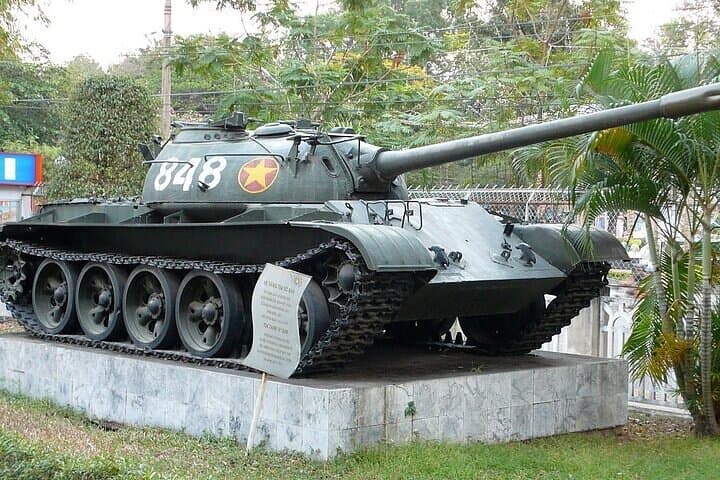
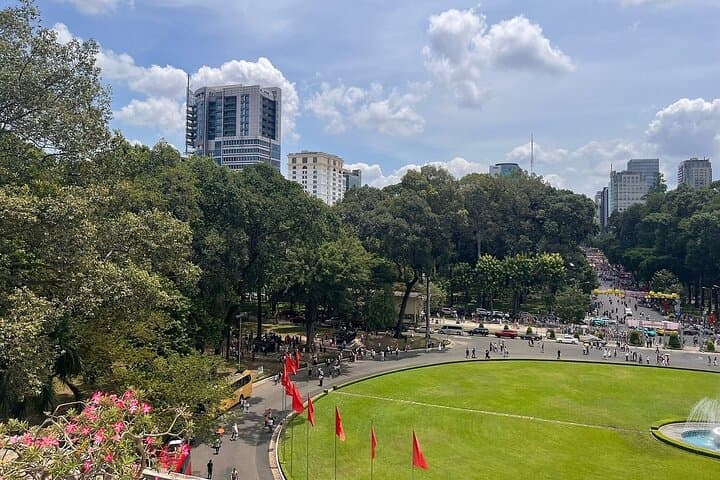
Cu Chi was a vital Viet Cong base with an extensive tunnel network used during the Vietnam War; downtown sites like the Reunification Palace mark the end of the conflict in 1975.
Sites are curated to preserve fragile tunnel sections and artifacts; visitors should stick to paths and avoid touching displays to minimize wear.
LOCAL TOURS VIETNAM operates guided outdoor trips and adventures with an emphasis on safety, stewardship, and memorable experiences.
Morning light slices down District 1 alleys as the van pulls away from the hotel; Saigon’s traffic exhales and the city keeps moving while the countryside ahead tightens, green and deliberate. By late morning the road narrows and the earth takes on a quieter tone—this is the landscape that shaped the Cu Chi Tunnels, an underground web where cramped passageways once carried soldiers, messages and supplies.
Morning light slices down District 1 alleys as the van pulls away from the hotel; Saigon’s traffic exhales and the city keeps moving while the countryside ahead tightens, green and deliberate. By late morning the road narrows and the earth takes on a quieter tone—this is the landscape that shaped the Cu Chi Tunnels, an underground web where cramped passageways once carried soldiers, messages and supplies.
The tour stitches two eras together: French colonial Saigon and the wartime ingenuity of the tunnels. Visitors move from the façade of the Notre-Dame Cathedral and the tile-lined halls of Saigon Central Post Office into the sober rooms of the War Remnants Museum, then out again to the raw, earthen architecture of Cu Chi. Geologically the region is lowland alluvial plain—pocketed clay and silt made excavation possible and concealment effective. Culturally, the day reveals a city that wears its past visibly: colonial stone, wartime relics, and a bustling modern economy.
Expect guided tunnel demonstrations, short crawls in restored sections, and interpretive displays that confront the realities of conflict. The experience is part history lesson, part field sketch of resilience; it’s not adrenaline tourism but a close, sometimes uncomfortable encounter with human survival.
Practical guidance: bring comfortable walking shoes, sun protection, and a light rain layer. Pace yourself through museum exhibits—audio or guide commentary helps absorb context. Allow 9–10 hours for pickup, transit to Cu Chi, museum stops and lunch. Respect signage at historic sites and follow your guide’s instructions inside narrow tunnel sections.