THE ADVENTURE COLLECTIVE® · Independent discovery and booking for outdoor travel

Turn island sightseeing into an active scavenger hunt across Crete. Follow GPS waypoints to Venetian fortresses, Minoan palaces and white-sand lagoons, logging discoveries in a communal logbook.
Turn island sightseeing into an active scavenger hunt across Crete. Follow GPS waypoints to Venetian fortresses, Minoan palaces and white-sand lagoons, logging discoveries in a communal logbook.
The map sits on the hood of a rental car as olive-silver hills roll by and the sea keeps time at the edge of the road. Players split up into teams, pocket their logbook, and follow GPS coordinates that point to ruins, harbors and hidden coves. The hunt turns island sightseeing into a paced race: a Venetian citadel, a white-sand lagoon, and a Bronze Age palace each hide a chest to find.
Verified experiences and guided adventures in the surrounding area.
Operated by Cretan Treasure Hunt · Heraklion, Crete
The map sits on the hood of a rental car as olive-silver hills roll by and the sea keeps time at the edge of the road. Players split up into teams, pocket their logbook, and follow GPS coordinates that point to ruins, harbors and hidden coves. The hunt turns island sightseeing into a paced race: a Venetian citadel, a white-sand lagoon, and a Bronze Age palace each hide a chest to find.
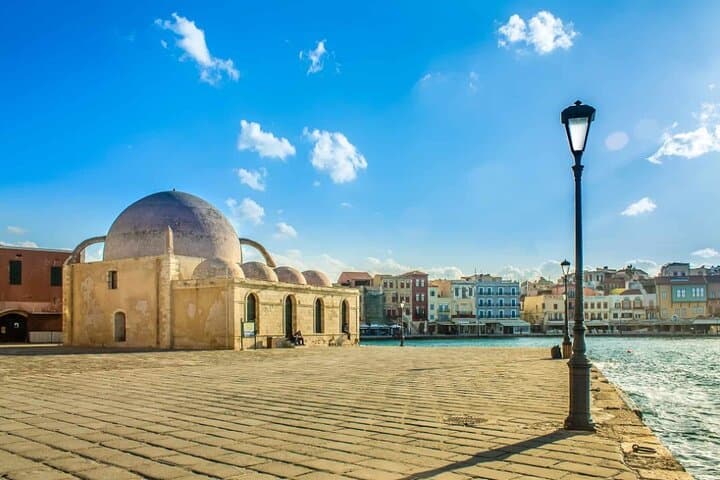
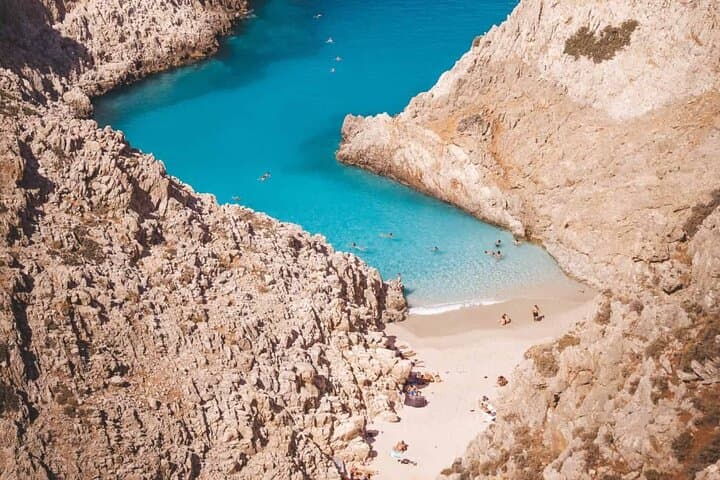
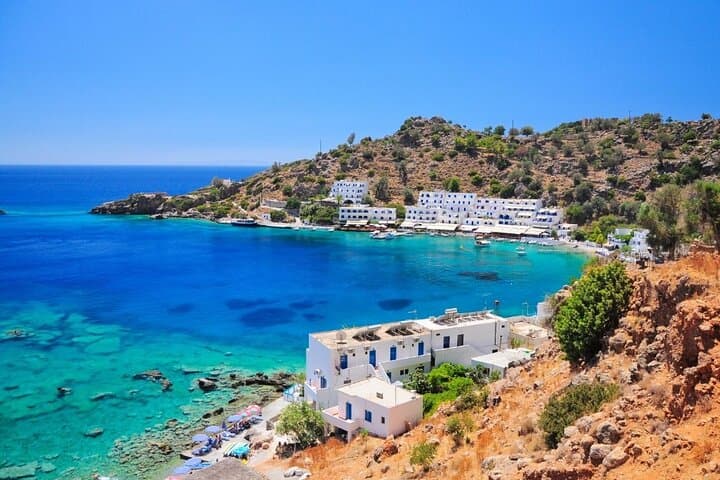
Crete wears layers of history — Minoan palaces, Byzantine chapels, and Venetian fortresses — carved into limestone ridges and coastal terraces. Geology here is sharp: folded limestone, karst gorges and pebbled beaches that were shaped by tectonics and Mediterranean currents. Local culture remains deliberate; tavernas still serve slow-cooked dakos and fishermen mend nets while telling directions by landmarks, not just coordinates.
Expect a mix of short walks, light roadside hikes and urban wandering. Some search points require moderate footwork over uneven stone and hot sand; others sit in accessible plazas. The experience is private and self-paced: the organizer supplies GPS waypoints, a logbook and guidance, but guests supply curiosity and sensible footwear.
Practical tips: start early to avoid peak sun, carry at least 1–2 liters of water per person, and wear shoes with good grip—rock and cobble are common. If visiting archaeological sites like Knossos, allow extra time for lines and interpretive panels. Leave artifacts where they are; cultural sites are protected and fragile.
By the end of six hours the chest is opened, names recorded, and the island’s stories feel earned — a playful, practical way to travel Crete with its history and landscapes as active partners in the hunt.
moderate.
6 hours.
Moderate—able to walk 2–5 km over uneven terrain and climb short stone steps without assistance
You can start from anywhere on Crete; the operator supplies GPS coordinates so the route is flexible and private.
Yes for older children with good stamina; the activity requires walking and following directions—young kids may tire on longer legs.
Admission to sites is not included—this treasure hunt points you to locations but standard museum or site fees remain your responsibility.
The tour is generally offered in fair conditions; heavy rain can make rocky footing slippery—check cancellation policy and local forecasts.
Crete’s landscape is shaped by Minoan civilization and later Venetian and Ottoman occupations; sites like Knossos link directly to Bronze Age myths.
Many coastal and archaeological sites are protected; follow marked paths, avoid removing natural or cultural material, and use local waste disposal to limit impact.
Cretan Treasure Hunt operates guided outdoor trips and adventures with an emphasis on safety, stewardship, and memorable experiences.
The map sits on the hood of a rental car as olive-silver hills roll by and the sea keeps time at the edge of the road. Players split up into teams, pocket their logbook, and follow GPS coordinates that point to ruins, harbors and hidden coves. The hunt turns island sightseeing into a paced race: a Venetian citadel, a white-sand lagoon, and a Bronze Age palace each hide a chest to find.
The map sits on the hood of a rental car as olive-silver hills roll by and the sea keeps time at the edge of the road. Players split up into teams, pocket their logbook, and follow GPS coordinates that point to ruins, harbors and hidden coves. The hunt turns island sightseeing into a paced race: a Venetian citadel, a white-sand lagoon, and a Bronze Age palace each hide a chest to find.
Crete wears layers of history — Minoan palaces, Byzantine chapels, and Venetian fortresses — carved into limestone ridges and coastal terraces. Geology here is sharp: folded limestone, karst gorges and pebbled beaches that were shaped by tectonics and Mediterranean currents. Local culture remains deliberate; tavernas still serve slow-cooked dakos and fishermen mend nets while telling directions by landmarks, not just coordinates.
Expect a mix of short walks, light roadside hikes and urban wandering. Some search points require moderate footwork over uneven stone and hot sand; others sit in accessible plazas. The experience is private and self-paced: the organizer supplies GPS waypoints, a logbook and guidance, but guests supply curiosity and sensible footwear.
Practical tips: start early to avoid peak sun, carry at least 1–2 liters of water per person, and wear shoes with good grip—rock and cobble are common. If visiting archaeological sites like Knossos, allow extra time for lines and interpretive panels. Leave artifacts where they are; cultural sites are protected and fragile.
By the end of six hours the chest is opened, names recorded, and the island’s stories feel earned — a playful, practical way to travel Crete with its history and landscapes as active partners in the hunt.