THE ADVENTURE COLLECTIVE® · Independent discovery and booking for outdoor travel

Walk Cork with a knowledgeable local on a private 2–6 hour tour that blends history, markets, and riverside views. Tailor the route to your interests—food, forts, or hidden squares—and get practical city tips from someone who lives here.
Walk Cork with a knowledgeable local on a private 2–6 hour tour that blends history, markets, and riverside views. Tailor the route to your interests—food, forts, or hidden squares—and get practical city tips from someone who lives here.
You step off the curb and the River Lee splits the city into a dozen moving streets; gulls call, and the pavement smells faintly of bakery and rain. A local guide falls into step beside you, folding centuries of Cork life into the span of a single conversation—market traditions, the fort that once watched over the harbour, and the small squares where bell towers still puncture the skyline.
Verified experiences and guided adventures in the surrounding area.
Operated by Humrahe · Cork, County Cork
You step off the curb and the River Lee splits the city into a dozen moving streets; gulls call, and the pavement smells faintly of bakery and rain. A local guide falls into step beside you, folding centuries of Cork life into the span of a single conversation—market traditions, the fort that once watched over the harbour, and the small squares where bell towers still puncture the skyline.
Cork grew around its waterways: channels carved by the Lee created islands that became neighbourhoods. The city’s 17th-century Elizabeth Fort, medieval abbey ruins and the 19th-century limestone fountain reflect waves of military, religious and mercantile history. Geologically, the surrounding county shifts from patchwork pasture to limestone outcrops; culturally, Cork remains fiercely proud of its markets, music and strong civic identity.
On a private walk you can choose pace and focus—history, architecture, food stalls or green spaces. Expect narrow laneways, cobbled streets, tree-lined parks and the chance to wander the walls of the fort for city views. Guides share local recommendations: the best place for a bowl of seafood chowder, a quiet bench by the river, or a lesser-known courtyard with a good people-watch.
Practical notes: tours run 2–6 hours; wear grippy shoes for uneven pavement and layers for changeable Irish weather. Mobility-accessible options are available but check specifics when booking. Bring a small daypack, a refillable water bottle, and time to slow down—the city rewards curiosity.
easy.
2–6 hours.
Suitable for most fitness levels; requires standing and walking for extended periods
Tours are private and can be booked for about 2 hours up to a 6-hour immersive walk—confirm your preferred duration when booking.
The operator lists wheelchair-accessible options; tell them about mobility needs when you book so the guide can adjust the route.
Yes—the private format allows you to focus on food, history, parks or off-the-beaten-path neighbourhoods based on your interests.
Full refunds are available if you cancel at least 24 hours before the scheduled departure; check your booking confirmation for details.
Cork evolved from Viking and medieval trading posts into a fortified port city; Elizabeth Fort and medieval abbey remnants trace its strategic past.
Support local sustainability by using refillable containers, staying on public paths, and respecting green spaces and wildlife in parks.
Humrahe operates guided outdoor trips and adventures with an emphasis on safety, stewardship, and memorable experiences.
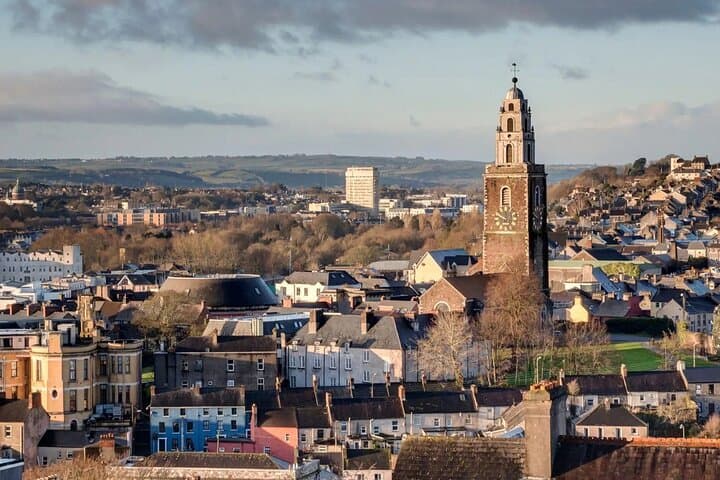

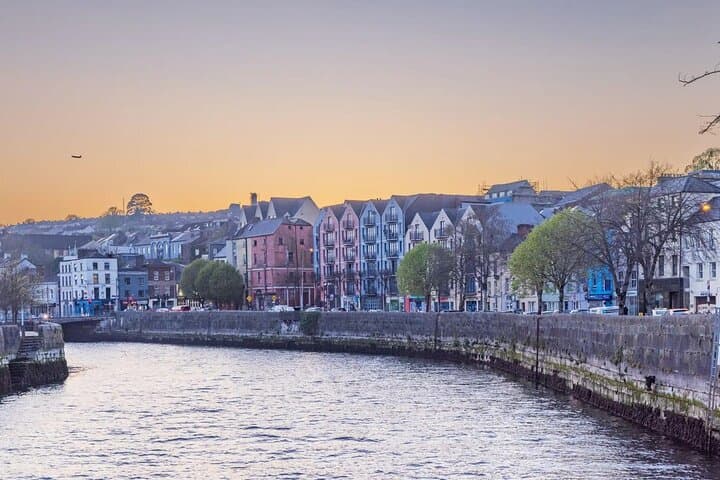

You step off the curb and the River Lee splits the city into a dozen moving streets; gulls call, and the pavement smells faintly of bakery and rain. A local guide falls into step beside you, folding centuries of Cork life into the span of a single conversation—market traditions, the fort that once watched over the harbour, and the small squares where bell towers still puncture the skyline.
You step off the curb and the River Lee splits the city into a dozen moving streets; gulls call, and the pavement smells faintly of bakery and rain. A local guide falls into step beside you, folding centuries of Cork life into the span of a single conversation—market traditions, the fort that once watched over the harbour, and the small squares where bell towers still puncture the skyline.
Cork grew around its waterways: channels carved by the Lee created islands that became neighbourhoods. The city’s 17th-century Elizabeth Fort, medieval abbey ruins and the 19th-century limestone fountain reflect waves of military, religious and mercantile history. Geologically, the surrounding county shifts from patchwork pasture to limestone outcrops; culturally, Cork remains fiercely proud of its markets, music and strong civic identity.
On a private walk you can choose pace and focus—history, architecture, food stalls or green spaces. Expect narrow laneways, cobbled streets, tree-lined parks and the chance to wander the walls of the fort for city views. Guides share local recommendations: the best place for a bowl of seafood chowder, a quiet bench by the river, or a lesser-known courtyard with a good people-watch.
Practical notes: tours run 2–6 hours; wear grippy shoes for uneven pavement and layers for changeable Irish weather. Mobility-accessible options are available but check specifics when booking. Bring a small daypack, a refillable water bottle, and time to slow down—the city rewards curiosity.