THE ADVENTURE COLLECTIVE® · Independent discovery and booking for outdoor travel

Spend a private half-day exploring Corfu’s two iconic coasts: the pebbled, cave-edged bays of Paleokastritsa and the long sandy sweep of Glyfada. This tour pairs short swims and photo stops with local history and easy logistics.
Spend a private half-day exploring Corfu’s two iconic coasts: the pebbled, cave-edged bays of Paleokastritsa and the long sandy sweep of Glyfada. This tour pairs short swims and photo stops with local history and easy logistics.
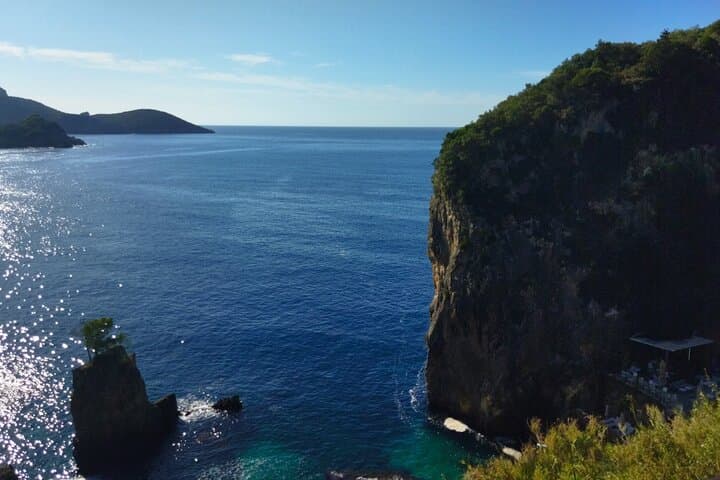
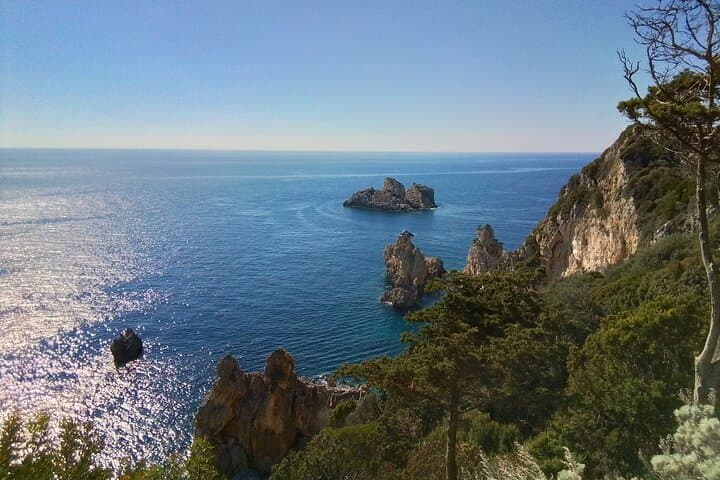
You arrive on a coastal road where the sea opens into brilliant bays and the air smells sharply of pine and salt. In Paleokastritsa the water is startlingly clear; pebbled coves sit below terraced olive groves and a monastery perches on a low ridge, its stone watching over the inlet. Later, Glyfada stretches like a long ribbon of fine sand, backed by low cliffs and thick Mediterranean scrub.
Verified experiences and guided adventures in the surrounding area.
Operated by PACHIS TRAVEL · Paleokastritsa, Ionian Islands
You arrive on a coastal road where the sea opens into brilliant bays and the air smells sharply of pine and salt. In Paleokastritsa the water is startlingly clear; pebbled coves sit below terraced olive groves and a monastery perches on a low ridge, its stone watching over the inlet. Later, Glyfada stretches like a long ribbon of fine sand, backed by low cliffs and thick Mediterranean scrub.
Paleokastritsa’s bays were carved by uplifted limestone and wave action over millennia, creating caves and sheltered pockets that invite boat excursions. The 13th-century Monastery of Theotokos is a local anchor—an example of Corfu’s Byzantine past layered into everyday seaside life. Glyfada’s sand comes from local erosion and longshore transport, forming a broad beach favored for relaxed swimming and sunset walks.
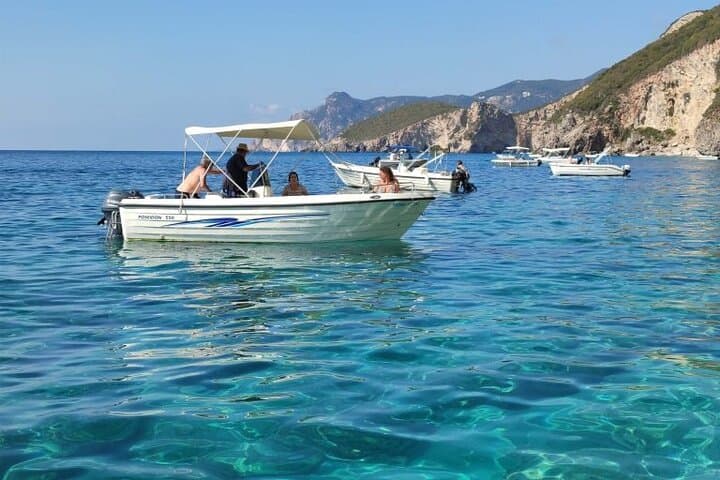
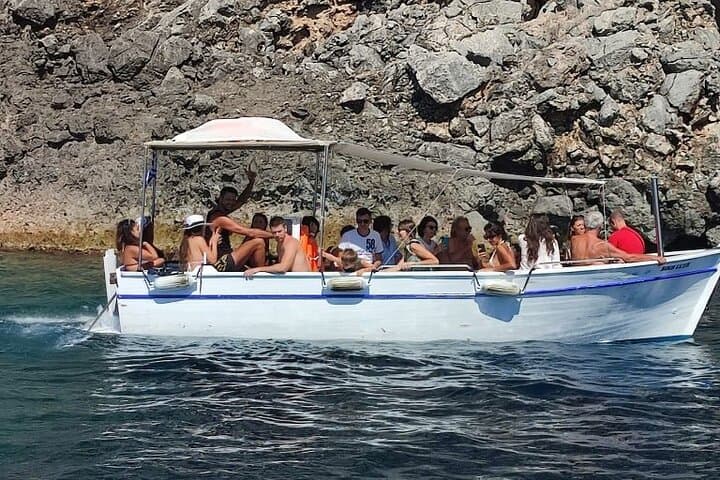
This private 4–4.5 hour itinerary balances short swims, photo stops and a chance to take an optional boat out to small caves. Expect mainly paved driving between outlooks, short beach access paths, and pebble-to-sand shorelines.
Practical guidance: go early or late afternoon to avoid the midday heat and busy parking; bring water, reef-safe sunscreen and footwear suitable for pebbles; a short boat ride may require a basic level of comfort with small craft. Local tavernas and beach bars serve snacks and bottled water; cash and cards are usually accepted.
The tour is friendly to all fitness levels, family-oriented, and offers an efficient way to visit two contrasting coastal environments in one half-day—clear coves and a wide sandy beach—while learning small pieces of Corfu’s cultural and geological story.
easy.
4–4.5 hours.
Suitable for most fitness levels; requires short walks on sand or pebbles and basic mobility for boarding small boats.
Yes—this private tour includes air-conditioned private transport and a driver who will handle parking and transfers.
Yes—stroller access is possible, and infant seats are available on request; short walks are family-friendly.
Admission is not included; optional short boat rides and monastery donations are paid locally.
Paleokastritsa has pebbled beaches and rocky shorelines; Glyfada is long and sandy—bring appropriate footwear for pebbles.
The Monastery of Theotokos in Paleokastritsa dates back several centuries and reflects Corfu’s Byzantine and Venetian influences on local culture.
Visitors are encouraged to use reef‑safe sunscreen, avoid collecting shells or disturbing marine life, and take all litter off beaches to protect coastal habitats.
PACHIS TRAVEL operates guided outdoor trips and adventures with an emphasis on safety, stewardship, and memorable experiences.
You arrive on a coastal road where the sea opens into brilliant bays and the air smells sharply of pine and salt. In Paleokastritsa the water is startlingly clear; pebbled coves sit below terraced olive groves and a monastery perches on a low ridge, its stone watching over the inlet. Later, Glyfada stretches like a long ribbon of fine sand, backed by low cliffs and thick Mediterranean scrub.
You arrive on a coastal road where the sea opens into brilliant bays and the air smells sharply of pine and salt. In Paleokastritsa the water is startlingly clear; pebbled coves sit below terraced olive groves and a monastery perches on a low ridge, its stone watching over the inlet. Later, Glyfada stretches like a long ribbon of fine sand, backed by low cliffs and thick Mediterranean scrub.
Paleokastritsa’s bays were carved by uplifted limestone and wave action over millennia, creating caves and sheltered pockets that invite boat excursions. The 13th-century Monastery of Theotokos is a local anchor—an example of Corfu’s Byzantine past layered into everyday seaside life. Glyfada’s sand comes from local erosion and longshore transport, forming a broad beach favored for relaxed swimming and sunset walks.
This private 4–4.5 hour itinerary balances short swims, photo stops and a chance to take an optional boat out to small caves. Expect mainly paved driving between outlooks, short beach access paths, and pebble-to-sand shorelines.
Practical guidance: go early or late afternoon to avoid the midday heat and busy parking; bring water, reef-safe sunscreen and footwear suitable for pebbles; a short boat ride may require a basic level of comfort with small craft. Local tavernas and beach bars serve snacks and bottled water; cash and cards are usually accepted.
The tour is friendly to all fitness levels, family-oriented, and offers an efficient way to visit two contrasting coastal environments in one half-day—clear coves and a wide sandy beach—while learning small pieces of Corfu’s cultural and geological story.