THE ADVENTURE COLLECTIVE® · Independent discovery and booking for outdoor travel

Walk two hours through living 18th-century streets with a private guide. This focused tour hits Bruton Parish, Duke of Gloucester Street, Palace Green, Governor’s Palace exterior, and the Capitol while offering practical tips for timing and accessibility.
Walk two hours through living 18th-century streets with a private guide. This focused tour hits Bruton Parish, Duke of Gloucester Street, Palace Green, Governor’s Palace exterior, and the Capitol while offering practical tips for timing and accessibility.
You step from the shaded portico of the Williamsburg Inn into a street that still moves with the cadence of the 18th century: cobbles underfoot, period façades catching the light, and the low bell of Bruton Parish calling through the afternoon air.
Verified experiences and guided adventures in the surrounding area.
Operated by Opatrip.com USA · Williamsburg, Virginia
You step from the shaded portico of the Williamsburg Inn into a street that still moves with the cadence of the 18th century: cobbles underfoot, period façades catching the light, and the low bell of Bruton Parish calling through the afternoon air.
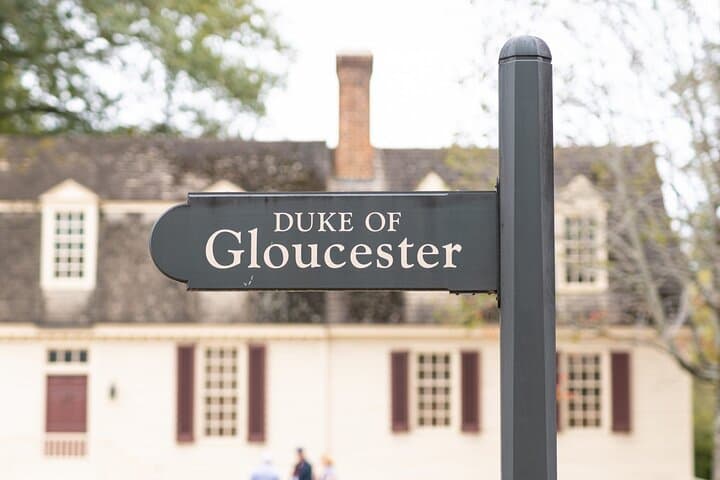
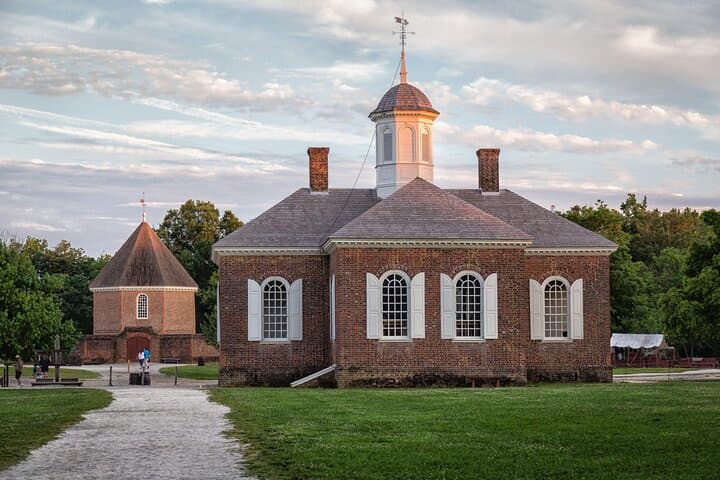
This private, two-hour walking tour threads Duke of Gloucester Street from Merchant’s Square to the Capitol, pausing at Bruton Parish Church, Palace Green, the Governor’s Palace exterior, and the Capitol. Williamsburg sits on the Atlantic Coastal Plain — sandy soils and tidal creeks shaped the town’s layout and agriculture, while brick and wood buildings reflect both colonial craft and later restoration philosophy.
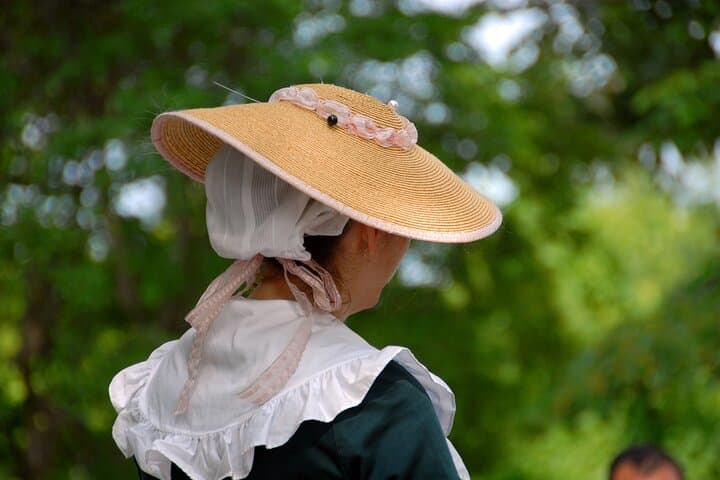
History here is immediate: merchants, magistrates, and clergy set local rhythms that fed into national events. Interpretive guides explain daily life in colonial Virginia, the architecture of public and private buildings, and how Revolutionary-era politics played out in these rooms and streets. Cultural notes include the continuing role of living-history programs and the community’s efforts to present multiple perspectives on colonial life.
Practical guidance: wear supportive walking shoes for uneven brick and short side alleys, bring water and sun protection in warm months, and plan for limited seating — the route is primarily on foot with short stops. Morning or late-afternoon tours avoid the hottest hours and the largest tour-group crowds. Accessibility varies by site; contact your guide in advance for accommodations.
A private guide makes the city responsive to your interests — whether architecture, politics, or everyday life — and gives two hours of concentrated, walkable history in the heart of Williamsburg.
easy.
2 hours.
Suitable for most fitness levels; requires standing and walking on uneven surfaces for up to two hours.
Tours typically start at the Williamsburg Inn and proceed along Duke of Gloucester Street, concluding at the Colonial Capitol building.
Yes—it's rated easy and appropriate for a wide range of ages, though attendees should be able to walk for up to two hours with brief stops.
This itinerary focuses on exteriors and guided interpretation; interior admissions to places like the Governor’s Palace are not included unless specified in a custom booking.
Full refunds are available if you cancel at least 24 hours before the scheduled departure time.
Williamsburg was the capital of colonial Virginia and a political hub where debates and laws shaped the early republic; many buildings today are careful restorations from 20th-century preservation efforts.
Colonial Williamsburg manages historic landscapes with sensitivity to original materials and encourages low-impact visitation; stay on established pathways and follow guide instructions to protect preservation work.
Opatrip.com USA operates guided outdoor trips and adventures with an emphasis on safety, stewardship, and memorable experiences.

You step from the shaded portico of the Williamsburg Inn into a street that still moves with the cadence of the 18th century: cobbles underfoot, period façades catching the light, and the low bell of Bruton Parish calling through the afternoon air.
You step from the shaded portico of the Williamsburg Inn into a street that still moves with the cadence of the 18th century: cobbles underfoot, period façades catching the light, and the low bell of Bruton Parish calling through the afternoon air.
This private, two-hour walking tour threads Duke of Gloucester Street from Merchant’s Square to the Capitol, pausing at Bruton Parish Church, Palace Green, the Governor’s Palace exterior, and the Capitol. Williamsburg sits on the Atlantic Coastal Plain — sandy soils and tidal creeks shaped the town’s layout and agriculture, while brick and wood buildings reflect both colonial craft and later restoration philosophy.
History here is immediate: merchants, magistrates, and clergy set local rhythms that fed into national events. Interpretive guides explain daily life in colonial Virginia, the architecture of public and private buildings, and how Revolutionary-era politics played out in these rooms and streets. Cultural notes include the continuing role of living-history programs and the community’s efforts to present multiple perspectives on colonial life.
Practical guidance: wear supportive walking shoes for uneven brick and short side alleys, bring water and sun protection in warm months, and plan for limited seating — the route is primarily on foot with short stops. Morning or late-afternoon tours avoid the hottest hours and the largest tour-group crowds. Accessibility varies by site; contact your guide in advance for accommodations.
A private guide makes the city responsive to your interests — whether architecture, politics, or everyday life — and gives two hours of concentrated, walkable history in the heart of Williamsburg.