THE ADVENTURE COLLECTIVE® · Independent discovery and booking for outdoor travel

Combine a relaxed hotel breakfast with an illustrated lesson in Colonial Williamsburg’s 20th-century restoration. This private 90‑minute tour pairs museum‑quality photography and a short accessible walk to bring the town’s dramatic before-and-after story to life.
Combine a relaxed hotel breakfast with an illustrated lesson in Colonial Williamsburg’s 20th-century restoration. This private 90‑minute tour pairs museum‑quality photography and a short accessible walk to bring the town’s dramatic before-and-after story to life.
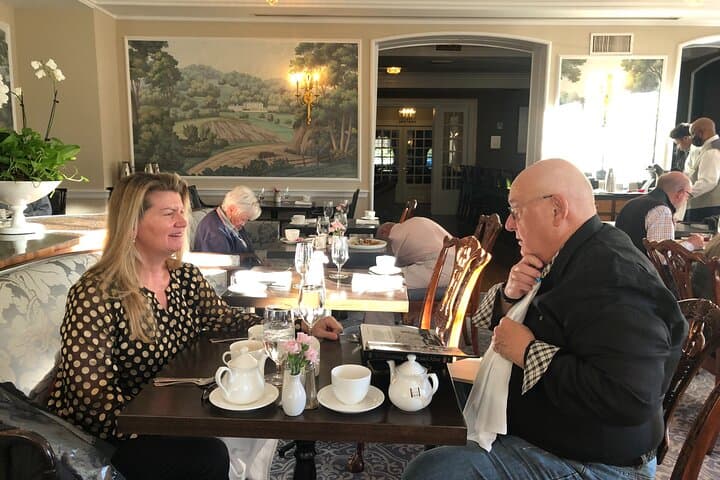
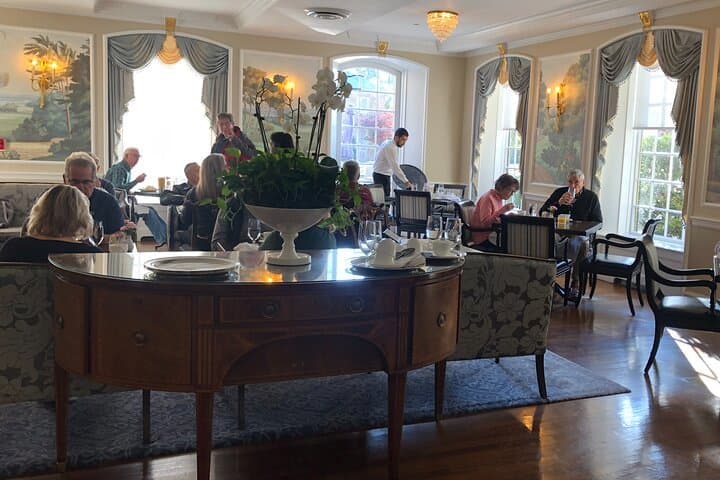
You enter the Williamsburg Inn lobby and the morning folds around you: sunlight through mullioned windows, the quiet clink of silverware, and a guide ready with black-and-white photographs that seem to step off the tabletop and into the room.
Verified experiences and guided adventures in the surrounding area.
Operated by Best Williamsburg Tours · Williamsburg, Virginia
You enter the Williamsburg Inn lobby and the morning folds around you: sunlight through mullioned windows, the quiet clink of silverware, and a guide ready with black-and-white photographs that seem to step off the tabletop and into the room.
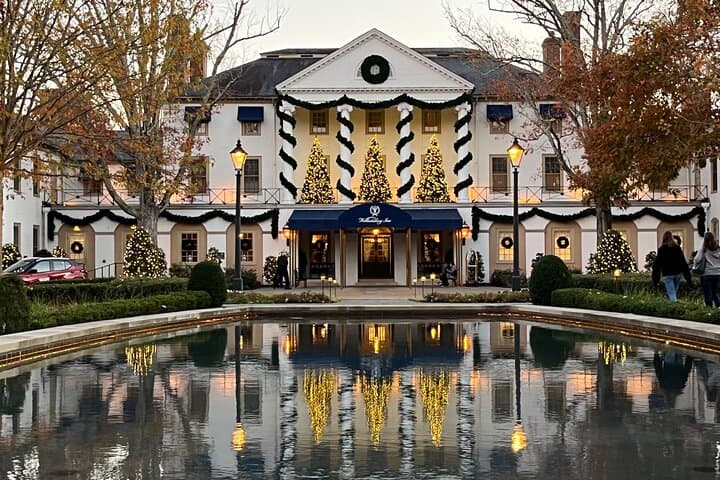
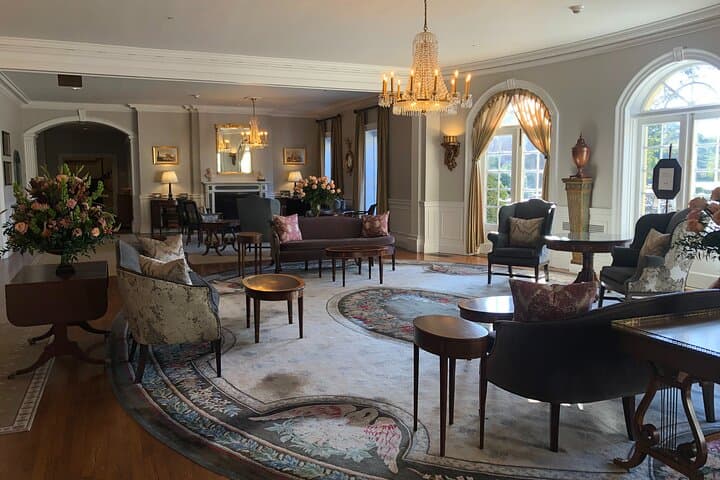
The experience pairs a leisurely hotel breakfast with a focused study of Colonial Williamsburg’s dramatic 20th-century restoration. In the late 1920s and early 1930s Reverend W.A.R. Goodwin and patrons like John D. Rockefeller Jr. reshaped a town into the world’s largest living-history museum — moving buildings, reconstructing streetscapes and reinterpreting 18th-century life. The walls, chandeliers and original furnishings at the Inn tell part of that story; Duke of Gloucester Street and nearby grounds show the choices restorers made about material, scale and narrative.
Geology here is subtle — low sandy rises above the York River plain — but the cultural landscape is the point: civic ambition meeting preservation practice. Expect close reading of photographs and documents, short guided walks across hotel grounds, and optional steps onto Duke of Gloucester Street to view restored facades and colonial-era layouts.
Practically: tours last about 90 minutes, are wheelchair accessible, and accommodate small private groups. Guests pay for their own breakfast; bring a camera for details in the Inn’s interiors and comfortable shoes for the short outdoor stroll. Morning light reveals wood grain and iron hardware; a quiet weekday start reduces crowds. For travelers who want context with their coffee, it’s a compact, accessible way to understand how Williamsburg became both a place and a project.
easy.
1–1.5 hours.
Suitable for most fitness levels; minimal walking and mostly seated discussion
No — the tour includes the guide, interpretation and printed materials; guests pay separately for their breakfast, drinks and gratuities at the Inn.
Yes — the tour and listed areas are wheelchair accessible and suitable for visitors with limited mobility; advise the operator of special requirements when booking.
Walking is minimal: most of the session is seated during breakfast with an optional short stroll across the Inn grounds and to Duke of Gloucester Street if desired.
The tour is private for your group with a maximum of six guests per booking.
The restoration was driven by Reverend W.A.R. Goodwin’s vision and financed largely by John D. Rockefeller Jr.; their work in the 1920s–30s rebuilt and curated much of what visitors now see.
Colonial Williamsburg operates active preservation programs and encourages low‑impact visitation; follow pathways, avoid touching historic fabric, and support conservation through admission and donations.
Best Williamsburg Tours operates guided outdoor trips and adventures with an emphasis on safety, stewardship, and memorable experiences.
You enter the Williamsburg Inn lobby and the morning folds around you: sunlight through mullioned windows, the quiet clink of silverware, and a guide ready with black-and-white photographs that seem to step off the tabletop and into the room.
You enter the Williamsburg Inn lobby and the morning folds around you: sunlight through mullioned windows, the quiet clink of silverware, and a guide ready with black-and-white photographs that seem to step off the tabletop and into the room.
The experience pairs a leisurely hotel breakfast with a focused study of Colonial Williamsburg’s dramatic 20th-century restoration. In the late 1920s and early 1930s Reverend W.A.R. Goodwin and patrons like John D. Rockefeller Jr. reshaped a town into the world’s largest living-history museum — moving buildings, reconstructing streetscapes and reinterpreting 18th-century life. The walls, chandeliers and original furnishings at the Inn tell part of that story; Duke of Gloucester Street and nearby grounds show the choices restorers made about material, scale and narrative.
Geology here is subtle — low sandy rises above the York River plain — but the cultural landscape is the point: civic ambition meeting preservation practice. Expect close reading of photographs and documents, short guided walks across hotel grounds, and optional steps onto Duke of Gloucester Street to view restored facades and colonial-era layouts.
Practically: tours last about 90 minutes, are wheelchair accessible, and accommodate small private groups. Guests pay for their own breakfast; bring a camera for details in the Inn’s interiors and comfortable shoes for the short outdoor stroll. Morning light reveals wood grain and iron hardware; a quiet weekday start reduces crowds. For travelers who want context with their coffee, it’s a compact, accessible way to understand how Williamsburg became both a place and a project.