THE ADVENTURE COLLECTIVE® · Independent discovery and booking for outdoor travel

Explore Cartagena’s layered history on a private 3–4 hour walking tour that visits Castillo San Felipe, the graffiti-lined streets of Getsemaní and the Emerald Museum. Expect cobbled plazas, coastal breezes and a guide who connects architecture, trade and local culture.
Explore Cartagena’s layered history on a private 3–4 hour walking tour that visits Castillo San Felipe, the graffiti-lined streets of Getsemaní and the Emerald Museum. Expect cobbled plazas, coastal breezes and a guide who connects architecture, trade and local culture.
Sunlight hits the ochre walls as you step off the air-conditioned vehicle and into Cartagena’s old city — a compact maze of stone plazas, shuttered balconies and a constant Caribbean hum.
Verified experiences and guided adventures in the surrounding area.
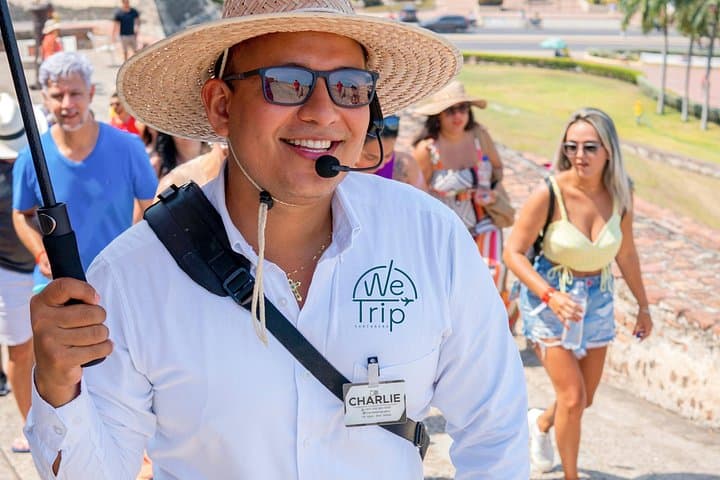
Operated by WeTrip Colombia · Cartagena, Bolívar
Sunlight hits the ochre walls as you step off the air-conditioned vehicle and into Cartagena’s old city — a compact maze of stone plazas, shuttered balconies and a constant Caribbean hum.
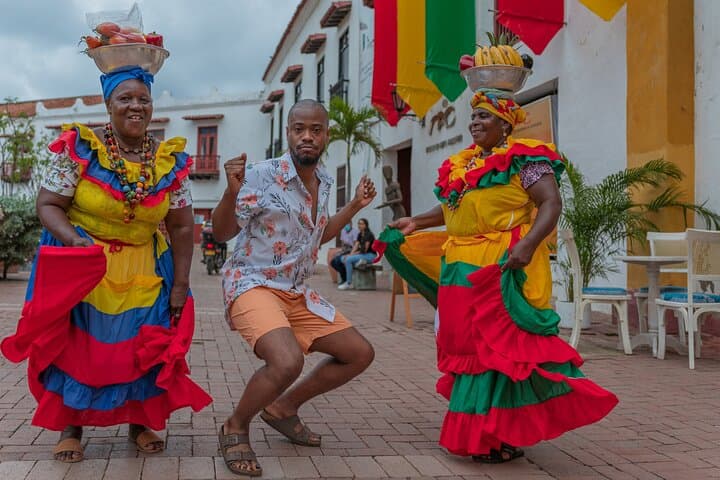
The route threads from the militarized grandeur of Castillo San Felipe de Barajas — its earthen ramparts and vaulted tunnels engineered to repel 17th‑century assaults — down toward the low, paint‑splashed streets of Getsemaní. Here, murals and umbrella‑strewn alleys push color into every corner while vendors call out rhythms that belong to the coast.
Cartagena’s geology is coastal limestone and coral‑derived stone; builders quarried local materials to form the walls that shaped colonial power and trade. The Emerald Museum adds a commercial layer to the story, tracing Colombia’s role as the world leader in emerald production and the mining regions of Muzo and Chivor.
Cultural touchpoints — the Cathedral, Clock Tower and the inquisition palace — map a complicated past of conquest, faith and resistance. Guides usually fold in human stories, from Pedro de Heredia’s founding to Father Pedro Claver’s work among enslaved people.
Practical guidance: this private tour runs about 3–4 hours on mostly paved and cobbled streets with short uphill sections at the fort. Wear comfortable walking shoes, bring sunscreen and a light rain jacket for sudden tropical showers. Bottled water is provided, but carry an extra bottle if you’re sensitive to heat. Entrance fees to monuments are typically not included, so budget accordingly. Aim for morning or late afternoon departures to avoid peak heat and get softer light for photos.
easy.
3–4 hours.
Suitable for most people who can walk for a few hours on uneven, cobbled surfaces with short inclines at the fort.
No — the tour notes that entrance fees (e.g., San Felipe, cathedral) are not included, so bring cash or card to cover admissions.
Some areas are marked wheelchair accessible, but cobblestones and fortress ramps may limit full access; check with the operator for specific needs.
The itinerary lists a central meeting square in the walled city; confirm the exact pickup/drop‑off point when booking, especially for cruise shore excursions.
Tipping is customary for private walking tours in Cartagena; consider 10–15% of the tour cost if service is good.
Cartagena was a strategic Spanish port from the 16th century; its walls and Castillo San Felipe were built to defend trade routes and the city’s wealth, including precious gems like emeralds.
High tourist traffic stresses historic streets and coastal zones; support local guides, avoid touching fragile masonry and prioritize businesses that follow sustainable practices.
WeTrip Colombia operates guided outdoor trips and adventures with an emphasis on safety, stewardship, and memorable experiences.
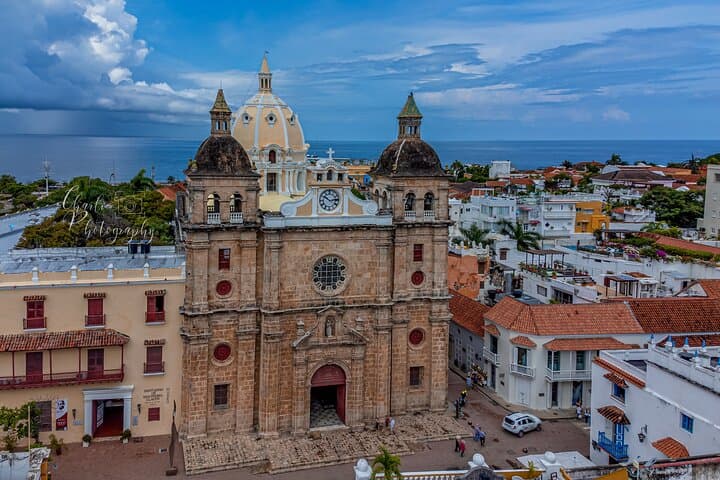
Sunlight hits the ochre walls as you step off the air-conditioned vehicle and into Cartagena’s old city — a compact maze of stone plazas, shuttered balconies and a constant Caribbean hum.
Sunlight hits the ochre walls as you step off the air-conditioned vehicle and into Cartagena’s old city — a compact maze of stone plazas, shuttered balconies and a constant Caribbean hum.
The route threads from the militarized grandeur of Castillo San Felipe de Barajas — its earthen ramparts and vaulted tunnels engineered to repel 17th‑century assaults — down toward the low, paint‑splashed streets of Getsemaní. Here, murals and umbrella‑strewn alleys push color into every corner while vendors call out rhythms that belong to the coast.
Cartagena’s geology is coastal limestone and coral‑derived stone; builders quarried local materials to form the walls that shaped colonial power and trade. The Emerald Museum adds a commercial layer to the story, tracing Colombia’s role as the world leader in emerald production and the mining regions of Muzo and Chivor.
Cultural touchpoints — the Cathedral, Clock Tower and the inquisition palace — map a complicated past of conquest, faith and resistance. Guides usually fold in human stories, from Pedro de Heredia’s founding to Father Pedro Claver’s work among enslaved people.
Practical guidance: this private tour runs about 3–4 hours on mostly paved and cobbled streets with short uphill sections at the fort. Wear comfortable walking shoes, bring sunscreen and a light rain jacket for sudden tropical showers. Bottled water is provided, but carry an extra bottle if you’re sensitive to heat. Entrance fees to monuments are typically not included, so budget accordingly. Aim for morning or late afternoon departures to avoid peak heat and get softer light for photos.