THE ADVENTURE COLLECTIVE® · Independent discovery and booking for outdoor travel

Skip the coach crowds and take a private tour to the Cliffs of Moher — customize viewpoints, linger for the light, and learn geology and folklore from a local guide. Expect dramatic cliff-top walking, seabirds, and flexible stops along the Wild Atlantic Way.
Skip the coach crowds and take a private tour to the Cliffs of Moher — customize viewpoints, linger for the light, and learn geology and folklore from a local guide. Expect dramatic cliff-top walking, seabirds, and flexible stops along the Wild Atlantic Way.
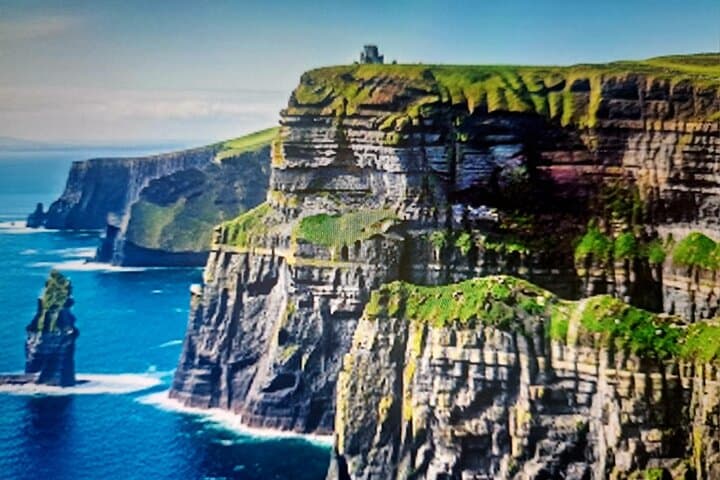
The wind arrives first — a sharp, briny push that pulls at jacket hems and shifts the shape of the sea. From a private vehicle you crest Clare’s rolling lanes and the cliffs loom: dark, banded rock dropping roughly 700 feet to a frothing Atlantic that keeps moving, daring you closer.
Verified experiences and guided adventures in the surrounding area.
Operated by Goeasy Transfers Ltd · Doolin, County Clare
The wind arrives first — a sharp, briny push that pulls at jacket hems and shifts the shape of the sea. From a private vehicle you crest Clare’s rolling lanes and the cliffs loom: dark, banded rock dropping roughly 700 feet to a frothing Atlantic that keeps moving, daring you closer.
These cliffs are raw geology on display. Built of Namurian sandstones and shales laid down in the late Carboniferous, the strata show a working coastline carved over hundreds of thousands of years. Human stories sit beside the stone: O’Brien’s Tower, a 19th‑century viewing folly, marks where visitors have come to watch the tides and seabirds for generations.
Culture here is direct — pubs in nearby villages hum with conversation about fishing, farming, and folklore. Guides point out nesting guillemots and the comical puffin darting to its burrow on offshore ledges; the cliffs are a wildlife stage as much as a landscape.
Practicalities: expect a 5–10 hour private excursion with roughly two hours at the cliff paths and viewpoints, plus stops that can include Bunratty Castle or Doolin for a pint. Paths are well defined but uneven and exposed; keep to marked routes and allow extra time for photography and weather shifts. Bring a windproof layer, sturdy footwear, binoculars, and charged camera equipment. Morning or late‑afternoon light softens the sea and thins crowds; midday is busiest. The visitor centre provides restrooms, exhibits, and shelter from sudden squalls.
A private tour trades schedules for flexibility — the cliffs remain the steady element, the sea always moving, inviting and insistently wild.
easy.
5–10 hours.
Suitable for most fitness levels; able to walk short distances (up to 2–3 miles) on uneven ground and manage exposure to wind.
Admission to the Cliffs of Moher Visitor Centre is typically not included in this private tour price; expect to pay on arrival unless stated otherwise.
Most itineraries allot about two hours at the cliff paths and viewpoints, with additional time for other stops en route.
Yes — the official visitor centre provides restrooms, exhibits, and shelter; nearby villages also have public facilities and cafés.
The tour operator lists wheelchair accessibility for transport and some areas, but cliff-top paths are uneven and exposed — check specific accessibility needs with the operator before booking.
O’Brien’s Tower (built 1835) marks a long tradition of visitors drawn to these cliffs; the cliffs themselves expose Carboniferous sandstones and shales laid down hundreds of millions of years ago.
The cliffs host important seabird colonies and fragile turf; stick to marked trails, avoid cliff-edge shortcuts, and follow Leave No Trace principles to reduce erosion and disturbance.
Goeasy Transfers Ltd operates guided outdoor trips and adventures with an emphasis on safety, stewardship, and memorable experiences.


The wind arrives first — a sharp, briny push that pulls at jacket hems and shifts the shape of the sea. From a private vehicle you crest Clare’s rolling lanes and the cliffs loom: dark, banded rock dropping roughly 700 feet to a frothing Atlantic that keeps moving, daring you closer.
The wind arrives first — a sharp, briny push that pulls at jacket hems and shifts the shape of the sea. From a private vehicle you crest Clare’s rolling lanes and the cliffs loom: dark, banded rock dropping roughly 700 feet to a frothing Atlantic that keeps moving, daring you closer.
These cliffs are raw geology on display. Built of Namurian sandstones and shales laid down in the late Carboniferous, the strata show a working coastline carved over hundreds of thousands of years. Human stories sit beside the stone: O’Brien’s Tower, a 19th‑century viewing folly, marks where visitors have come to watch the tides and seabirds for generations.
Culture here is direct — pubs in nearby villages hum with conversation about fishing, farming, and folklore. Guides point out nesting guillemots and the comical puffin darting to its burrow on offshore ledges; the cliffs are a wildlife stage as much as a landscape.
Practicalities: expect a 5–10 hour private excursion with roughly two hours at the cliff paths and viewpoints, plus stops that can include Bunratty Castle or Doolin for a pint. Paths are well defined but uneven and exposed; keep to marked routes and allow extra time for photography and weather shifts. Bring a windproof layer, sturdy footwear, binoculars, and charged camera equipment. Morning or late‑afternoon light softens the sea and thins crowds; midday is busiest. The visitor centre provides restrooms, exhibits, and shelter from sudden squalls.
A private tour trades schedules for flexibility — the cliffs remain the steady element, the sea always moving, inviting and insistently wild.