THE ADVENTURE COLLECTIVE® · Independent discovery and booking for outdoor travel

Walk Findlay Market and Over-the-Rhine with a guide who reveals Cincinnati’s culinary lineage through six tastings — from goetta and Taconey to Graeter’s ice cream and a secret final dish. This private 3‑hour tour mixes history, neighborhood lore, and approachable walking logistics.
Walk Findlay Market and Over-the-Rhine with a guide who reveals Cincinnati’s culinary lineage through six tastings — from goetta and Taconey to Graeter’s ice cream and a secret final dish. This private 3‑hour tour mixes history, neighborhood lore, and approachable walking logistics.
You step out under an orange umbrella at Findlay Market and the city smells like frying oil, coffee, and warm bread — a working-market rhythm that’s more pulse than postcard. The tour threads through Over-the-Rhine’s red-brick streets, past Music Hall’s stone face and Washington Park’s grass, stopping for a warm goetta, a Taconey, hand-rolled cake truffles, a Liège waffle, and a scoop of Graeter’s ice cream that somehow tastes like home.
Verified experiences and guided adventures in the surrounding area.
Operated by Secret Food Tours · Cincinnati, Ohio
You step out under an orange umbrella at Findlay Market and the city smells like frying oil, coffee, and warm bread — a working-market rhythm that’s more pulse than postcard. The tour threads through Over-the-Rhine’s red-brick streets, past Music Hall’s stone face and Washington Park’s grass, stopping for a warm goetta, a Taconey, hand-rolled cake truffles, a Liège waffle, and a scoop of Graeter’s ice cream that somehow tastes like home.
Cincinnati’s food identity grew from German immigrants and river commerce; Findlay Market, Ohio’s oldest continuously operated public market, still channels that history through family-run stalls and old-world sausages. Geology plays a quiet role here — the Ohio River carved the floodplain that shaped settlement and trade, making the city a midwestern crossroads. Culture shows in the neighborhood’s beer halls, music venues, and the story-driven bites your guide supplies: family recipes, factory legacies, and the evolution of a working-class district into a craft-food scene.
Practically, this is a three-hour, mostly flat walking tour with frequent stops; expect roughly two miles of walking at an easy pace. Bring comfortable shoes, a reusable water bottle, and a light layer for river breezes. Let the guide know dietary restrictions ahead of time; many tastings are fixed or local specialties. Arrival 15 minutes early makes check-in smooth. The private format means pacing and portions adjust to your group — it’s intimate, practical, and centered on eating well while learning why each bite matters to Cincinnati’s identity.
easy.
3 hours.
Suitable for most people who can walk 1.5–3 miles at a relaxed pace; minimal hills.
Yes — the advertised six tastings are included; the guide may offer optional purchases at stops not covered by the tour fee.
Contact the operator in advance; they try to accommodate allergies and preferences but some regional items may have limited substitutions.
The operator notes they cannot accommodate guests requiring wheelchair assistance due to route constraints and some vendor locations.
Expect roughly two miles of walking over three hours with multiple seated or standing tasting stops and short neighborhood walks between them.
Cincinnati’s culinary map was largely shaped by 19th-century German immigrants and river trade; Findlay Market has served as a public market since the mid-1800s.
Support local vendors and minimize waste by using reusable bottles and bags; staying on sidewalks and following vendor rules helps protect small businesses and shared urban spaces.
Secret Food Tours operates guided outdoor trips and adventures with an emphasis on safety, stewardship, and memorable experiences.
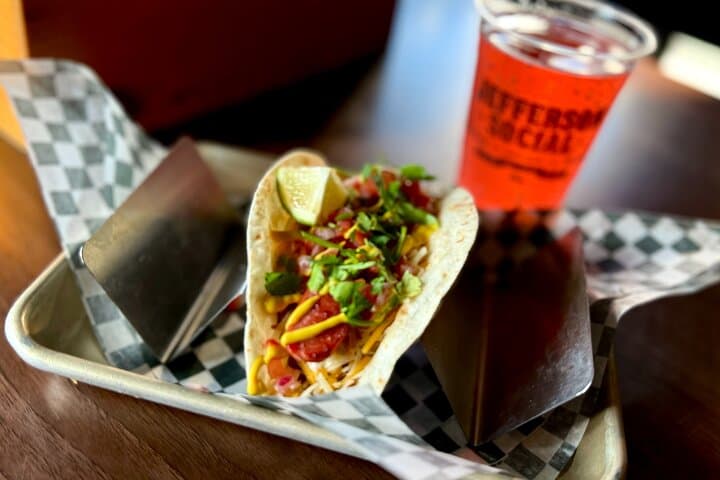
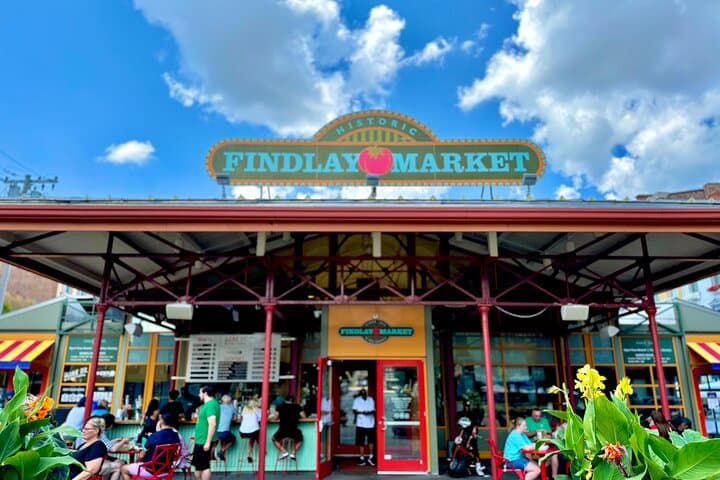
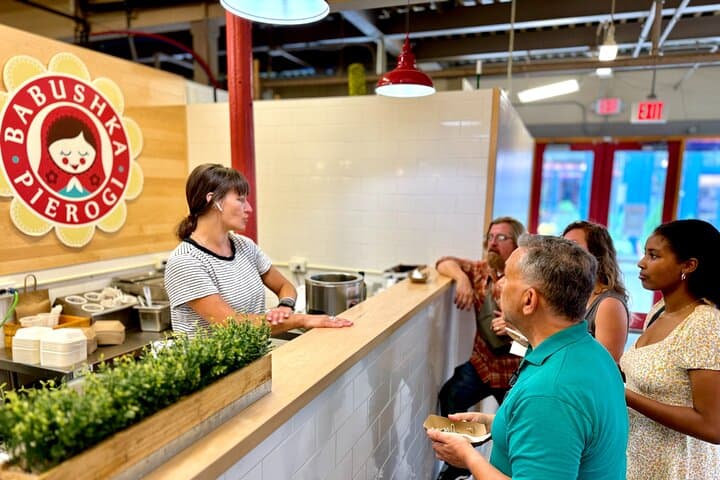
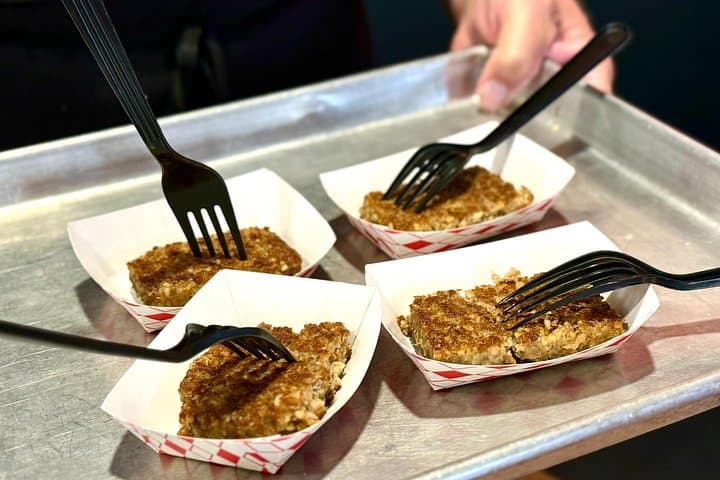
You step out under an orange umbrella at Findlay Market and the city smells like frying oil, coffee, and warm bread — a working-market rhythm that’s more pulse than postcard. The tour threads through Over-the-Rhine’s red-brick streets, past Music Hall’s stone face and Washington Park’s grass, stopping for a warm goetta, a Taconey, hand-rolled cake truffles, a Liège waffle, and a scoop of Graeter’s ice cream that somehow tastes like home.
You step out under an orange umbrella at Findlay Market and the city smells like frying oil, coffee, and warm bread — a working-market rhythm that’s more pulse than postcard. The tour threads through Over-the-Rhine’s red-brick streets, past Music Hall’s stone face and Washington Park’s grass, stopping for a warm goetta, a Taconey, hand-rolled cake truffles, a Liège waffle, and a scoop of Graeter’s ice cream that somehow tastes like home.
Cincinnati’s food identity grew from German immigrants and river commerce; Findlay Market, Ohio’s oldest continuously operated public market, still channels that history through family-run stalls and old-world sausages. Geology plays a quiet role here — the Ohio River carved the floodplain that shaped settlement and trade, making the city a midwestern crossroads. Culture shows in the neighborhood’s beer halls, music venues, and the story-driven bites your guide supplies: family recipes, factory legacies, and the evolution of a working-class district into a craft-food scene.
Practically, this is a three-hour, mostly flat walking tour with frequent stops; expect roughly two miles of walking at an easy pace. Bring comfortable shoes, a reusable water bottle, and a light layer for river breezes. Let the guide know dietary restrictions ahead of time; many tastings are fixed or local specialties. Arrival 15 minutes early makes check-in smooth. The private format means pacing and portions adjust to your group — it’s intimate, practical, and centered on eating well while learning why each bite matters to Cincinnati’s identity.