THE ADVENTURE COLLECTIVE® · Independent discovery and booking for outdoor travel

Ride the Corcovado train through Tijuca Forest to Christ the Redeemer, then take the iconic Sugarloaf cable car for sweeping views of Guanabara Bay. This private, 5-hour tour combines two of Rio’s most photographed landmarks with transport, admissions, and a guide.
Ride the Corcovado train through Tijuca Forest to Christ the Redeemer, then take the iconic Sugarloaf cable car for sweeping views of Guanabara Bay. This private, 5-hour tour combines two of Rio’s most photographed landmarks with transport, admissions, and a guide.
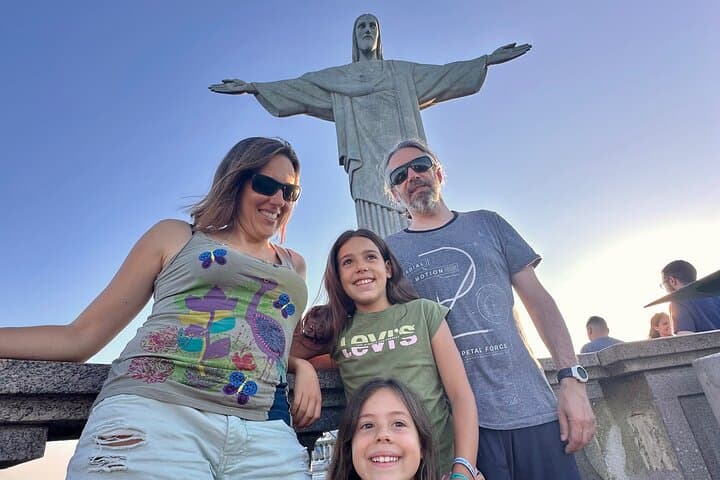
You step onto the vintage Corcovado train as the Tijuca Forest leans in, green and humid, the carriage easing uphill while the city unfolds below. The statue of Christ the Redeemer crowns the ridge—stoic, wind-toughened—and the panorama opens: beaches, bays and blocks of color sliding into the Atlantic.
Verified experiences and guided adventures in the surrounding area.
Operated by LRTURISMO · Rio de Janeiro, Rio de Janeiro
You step onto the vintage Corcovado train as the Tijuca Forest leans in, green and humid, the carriage easing uphill while the city unfolds below. The statue of Christ the Redeemer crowns the ridge—stoic, wind-toughened—and the panorama opens: beaches, bays and blocks of color sliding into the Atlantic.
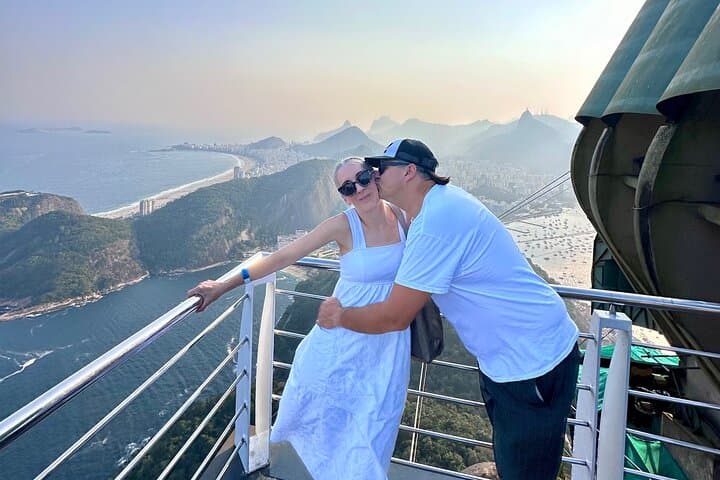
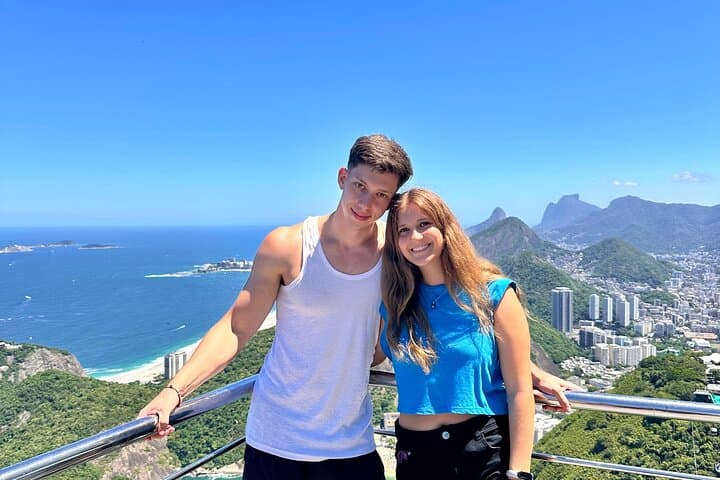
This private, five-hour route pairs two of Rio’s defining experiences. The Corcovado climb runs through the world’s largest urban rainforest, a fragment of Atlantic Forest that shaped early settlement patterns and provided watershed protection for the city. Sugarloaf (Pão de Açúcar) is a granite monolith rising from Guanabara Bay, carved by coastal geology and centuries of wave action; its cable car — the classic bondinho — gives photographers clean, wide-angle views of the harbor, Christ, and Copacabana’s curve.
Culturally, both sites are stitched into Carioca identity: religious pilgrimage and civic pride at Corcovado; maritime and colonial memory reflected in the bay that Sugarloaf watches over.
Practically, expect a relaxed pace with two 120-minute stops, trained guides, included admissions, and air-conditioned transport between points. Wear comfortable shoes for stairs and rock surfaces, bring sun protection and a water bottle, and schedule morning or late-afternoon slots to avoid midday heat and peak crowds. The Corcovado train negotiates a short steep ascent; Sugarloaf’s bondinho is exposed to wind—both can be paused by weather. For photographers, golden hour sharpens the city’s angles; for families, the trial is short and accessible with stroller options. This is sightseeing with nature’s motion—urban edges, coastal cliffs, and a rainforest that still breathes quietly into the city.
easy.
5 hours.
Light activity level; suitable for travelers of most fitness levels though involves stairs and short walks at viewpoints
Yes—this private tour uses the traditional Corcovado train for the climb and includes admission to the monument as listed.
Transport between sites and entrance fees for both attractions are included in the tour package per the itinerary.
Yes—infants and small children can use strollers and specialized infant seats are available, but expect stairs at viewpoints.
The operator may cancel for safety in bad weather; refunds follow the stated cancellation policy or the tour can be rescheduled when possible.
Christ the Redeemer (completed 1931) symbolizes national identity and overlooks areas settled since colonial times; Sugarloaf served as a navigational landmark for early sailors entering Guanabara Bay.
Both sites sit adjacent to remnants of the Atlantic Forest; visitors are encouraged to stay on trails, avoid littering, and respect protected zones to minimize impact.
LRTURISMO operates guided outdoor trips and adventures with an emphasis on safety, stewardship, and memorable experiences.

You step onto the vintage Corcovado train as the Tijuca Forest leans in, green and humid, the carriage easing uphill while the city unfolds below. The statue of Christ the Redeemer crowns the ridge—stoic, wind-toughened—and the panorama opens: beaches, bays and blocks of color sliding into the Atlantic.
You step onto the vintage Corcovado train as the Tijuca Forest leans in, green and humid, the carriage easing uphill while the city unfolds below. The statue of Christ the Redeemer crowns the ridge—stoic, wind-toughened—and the panorama opens: beaches, bays and blocks of color sliding into the Atlantic.
This private, five-hour route pairs two of Rio’s defining experiences. The Corcovado climb runs through the world’s largest urban rainforest, a fragment of Atlantic Forest that shaped early settlement patterns and provided watershed protection for the city. Sugarloaf (Pão de Açúcar) is a granite monolith rising from Guanabara Bay, carved by coastal geology and centuries of wave action; its cable car — the classic bondinho — gives photographers clean, wide-angle views of the harbor, Christ, and Copacabana’s curve.
Culturally, both sites are stitched into Carioca identity: religious pilgrimage and civic pride at Corcovado; maritime and colonial memory reflected in the bay that Sugarloaf watches over.
Practically, expect a relaxed pace with two 120-minute stops, trained guides, included admissions, and air-conditioned transport between points. Wear comfortable shoes for stairs and rock surfaces, bring sun protection and a water bottle, and schedule morning or late-afternoon slots to avoid midday heat and peak crowds. The Corcovado train negotiates a short steep ascent; Sugarloaf’s bondinho is exposed to wind—both can be paused by weather. For photographers, golden hour sharpens the city’s angles; for families, the trial is short and accessible with stroller options. This is sightseeing with nature’s motion—urban edges, coastal cliffs, and a rainforest that still breathes quietly into the city.