THE ADVENTURE COLLECTIVE® · Independent discovery and booking for outdoor travel

Learn cacao’s journey from tree to tablet on a private two-hour tasting near Antigua. Walk plantations, observe fermentation and drying, then sample handcrafted chocolates while a guide explains flavor, history, and technique.
Learn cacao’s journey from tree to tablet on a private two-hour tasting near Antigua. Walk plantations, observe fermentation and drying, then sample handcrafted chocolates while a guide explains flavor, history, and technique.
You step off the cobblestones of Antigua into a warm field of broad cocoa leaves, the nearby cone of Volcán de Agua keeping an ever-present watch. The air is humid and scented with soil and sugar as you move from shaded rows of cacao trees to a low-slung drying patio where beans rattle like weathered coins. This is a tasting that begins where most chocolate tours end: in the orchard.
Verified experiences and guided adventures in the surrounding area.
Operated by Direct Adventure · Antigua Guatemala, Sacatepéquez
You step off the cobblestones of Antigua into a warm field of broad cocoa leaves, the nearby cone of Volcán de Agua keeping an ever-present watch. The air is humid and scented with soil and sugar as you move from shaded rows of cacao trees to a low-slung drying patio where beans rattle like weathered coins. This is a tasting that begins where most chocolate tours end: in the orchard.
Cacao is native to Mesoamerica and was prized by Maya communities that inhabited the highlands centuries before the Spanish arrival. In Antigua’s volcanic soils, cacao benefits from rich mineral content and consistent microclimates—conditions that local artisans leverage in small-batch fermentation and slow drying to coax out floral and nutty notes.
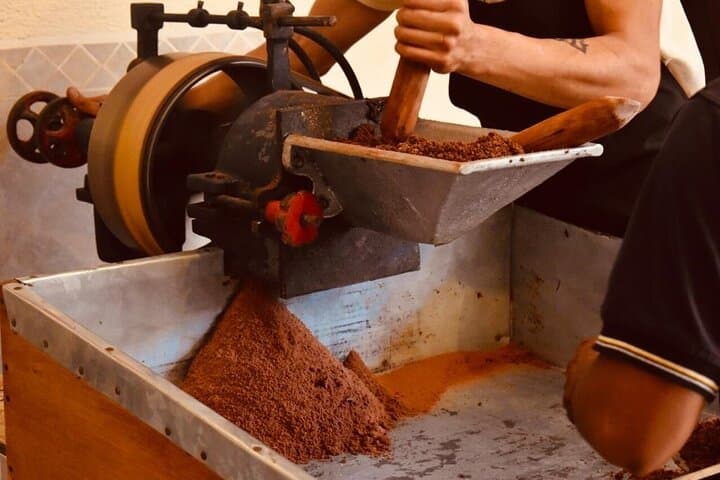
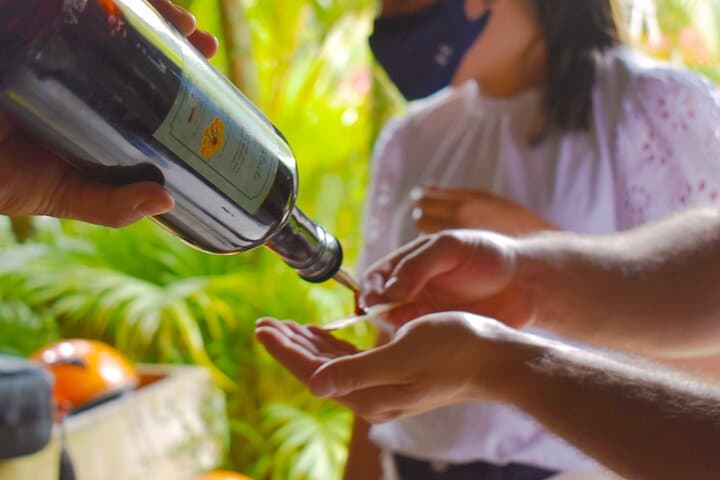
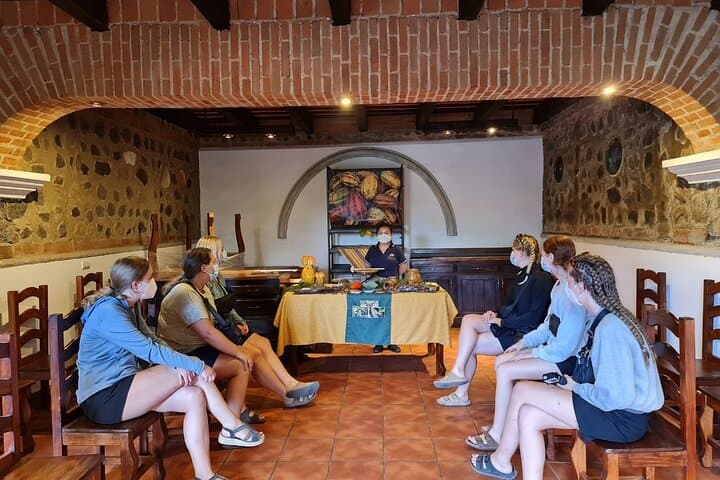
On this private, two-hour experience expect a guided walkthrough of cultivation, fermentation pits, and the artisanal kitchen where roasted nibs become ganache and bars. Tasting sessions train you to distinguish origin, roast level, and added flavors; the guide explains how fermentation, drying, and conching alter aroma and texture. Cultural context is woven throughout: chocolate’s ceremonial past, colonial trade influences, and modern farm-to-table craft in Guatemala.
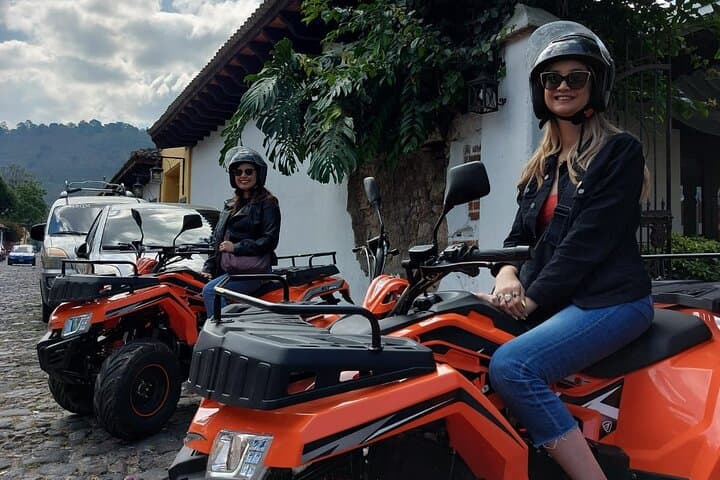
Practically: arrive with closed-toe shoes and a light jacket for shade and breeze, allow two hours, and plan to taste several samples. Transportation is included with bottled water. Ask about bean sourcing and processing steps—those questions get the best flavor notes. Expect hands-on demonstrations, photo opportunities, and a compact, educational itinerary that leaves you with both knowledge and a few well-chosen treats.
easy.
2 hours.
Suitable for all fitness levels; involves short walks on even and uneven ground
Yes — the tour listing includes private transportation; confirm pickup point during booking.
The private tasting runs about two hours, covering the plantation, processing areas, and a tasting session.
The activity is family-friendly and physically easy, but check age policies at booking as some hands-on elements may be limited for younger kids.
Inform the operator at booking; most artisanal tastings can note allergies and avoid certain flavorings, but confirm in advance.
Cacao has millennia of cultural significance in Guatemala: Maya populations cultivated and used cacao in rituals long before Spanish trade introduced European tastes and processing methods.
Look for producers who practice shade-grown cacao and responsible fermentation—these methods support biodiversity and reduce pressure on native forests.
Direct Adventure operates guided outdoor trips and adventures with an emphasis on safety, stewardship, and memorable experiences.
You step off the cobblestones of Antigua into a warm field of broad cocoa leaves, the nearby cone of Volcán de Agua keeping an ever-present watch. The air is humid and scented with soil and sugar as you move from shaded rows of cacao trees to a low-slung drying patio where beans rattle like weathered coins. This is a tasting that begins where most chocolate tours end: in the orchard.
You step off the cobblestones of Antigua into a warm field of broad cocoa leaves, the nearby cone of Volcán de Agua keeping an ever-present watch. The air is humid and scented with soil and sugar as you move from shaded rows of cacao trees to a low-slung drying patio where beans rattle like weathered coins. This is a tasting that begins where most chocolate tours end: in the orchard.
Cacao is native to Mesoamerica and was prized by Maya communities that inhabited the highlands centuries before the Spanish arrival. In Antigua’s volcanic soils, cacao benefits from rich mineral content and consistent microclimates—conditions that local artisans leverage in small-batch fermentation and slow drying to coax out floral and nutty notes.
On this private, two-hour experience expect a guided walkthrough of cultivation, fermentation pits, and the artisanal kitchen where roasted nibs become ganache and bars. Tasting sessions train you to distinguish origin, roast level, and added flavors; the guide explains how fermentation, drying, and conching alter aroma and texture. Cultural context is woven throughout: chocolate’s ceremonial past, colonial trade influences, and modern farm-to-table craft in Guatemala.
Practically: arrive with closed-toe shoes and a light jacket for shade and breeze, allow two hours, and plan to taste several samples. Transportation is included with bottled water. Ask about bean sourcing and processing steps—those questions get the best flavor notes. Expect hands-on demonstrations, photo opportunities, and a compact, educational itinerary that leaves you with both knowledge and a few well-chosen treats.