THE ADVENTURE COLLECTIVE® · Independent discovery and booking for outdoor travel

Spend a private day exploring Chichén Itzá at your own pace, then cool off in three contrasting cenotes—from cathedral-like caverns to open-roof pools. Ideal for travelers who want flexibility, history, and hands-on time with Yucatán’s geology.
Spend a private day exploring Chichén Itzá at your own pace, then cool off in three contrasting cenotes—from cathedral-like caverns to open-roof pools. Ideal for travelers who want flexibility, history, and hands-on time with Yucatán’s geology.
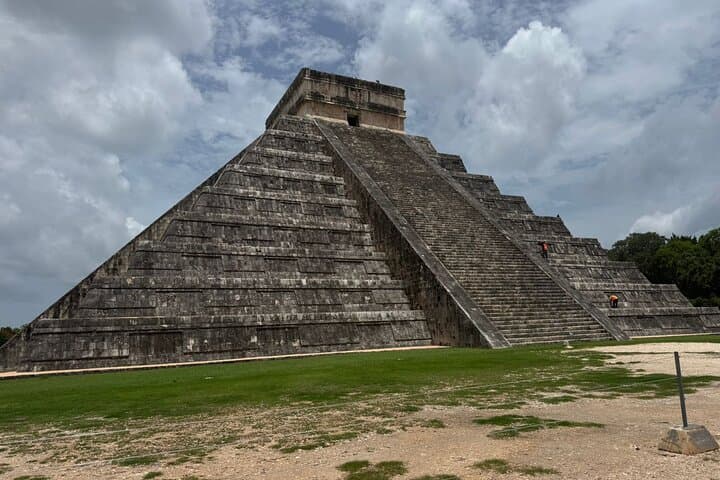
You arrive before the noon heat, the driver pulling off the highway into the dusty town of Pisté where the scent of grilled corn and citrus hangs in the air. The stone silhouette of El Castillo rises ahead, its carved faces catching light that draws visitors into a city once alive with ceremonies and astronomical observation.
Verified experiences and guided adventures in the surrounding area.
Operated by Nauticos del Caribe · Pisté, Yucatán
You arrive before the noon heat, the driver pulling off the highway into the dusty town of Pisté where the scent of grilled corn and citrus hangs in the air. The stone silhouette of El Castillo rises ahead, its carved faces catching light that draws visitors into a city once alive with ceremonies and astronomical observation.
Chichén Itzá grew into a regional capital from about the 7th to 10th centuries and later absorbed Toltec influence, producing iconic monuments like the Temple of Kukulcán and the Great Ball Court. The limestone beneath the Yucatán folded into low karst plains, and when the roof of an underground cavern collapsed it created the cenotes—freshwater sinks that sustained the Maya and now offer cool relief. Local culture is visible in market stalls, small museums at the site, and the steady trade in handmade textiles and pottery.
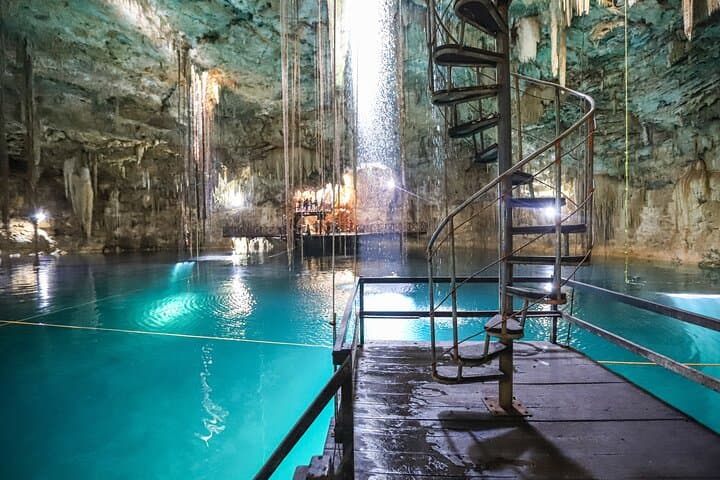
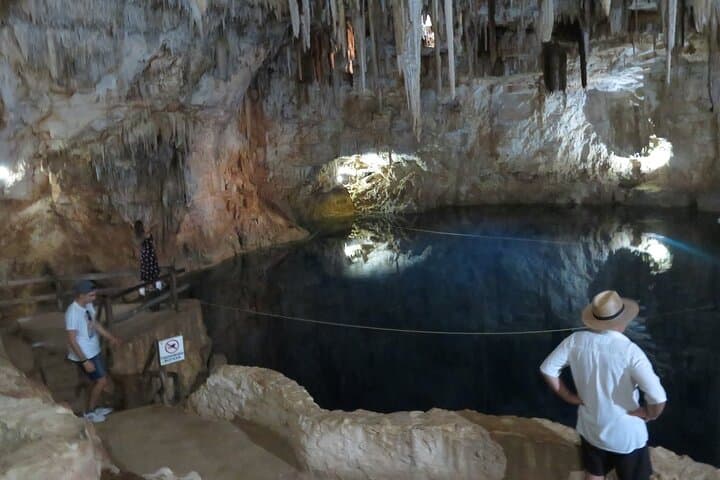
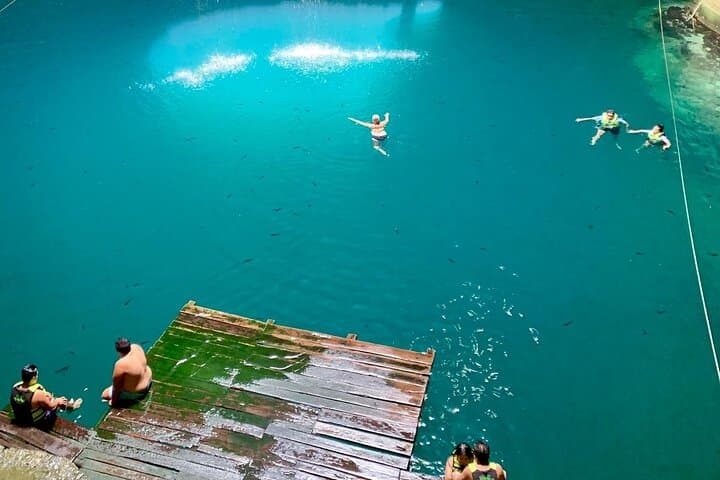
This private, self-paced option pairs historical exploration with three distinct cenotes—Palomitas, Agua Dulce, and Xcanahaltun—each offering different light, depth, and cave structure. Expect easy walking on packed stone and dirt at the ruins, and slippery rock and ladder access at the cenotes. Bring a swimsuit and towel; the water will demand you float, swim, or simply let the cave shadow slow your pulse.
Practical tips: carry cash for entrances and souvenirs, plan for sun and heat (shade is limited), and schedule the day to avoid the busiest midday crowds at the pyramid. Respect local rules at the cenotes—no sunscreen in the water unless allowed—and follow your driver’s guidance for timing. This is a full nine-hour day; moderate fitness and basic swimming comfort make for the best experience.
moderate.
8–9 hours.
Suitable for travelers with moderate stamina who can walk on uneven ground and swim in calm freshwater.
No; this private transport includes the driver and bottled water, but travelers pay for site entrances, taxes, and any optional services on location.
Possibly—changes depend on availability and distance; confirm with the supplier before your trip so the driver can adjust the route.
A compact car and personal driver are provided for the private transportation described; space is limited compared to larger vans.
Many cenotes provide ladders and basic flotation devices, but facilities vary—ask at each site and avoid diving into unfamiliar depths.
Chichén Itzá was a major Maya and later mixed Maya–Toltec political and religious center; its architecture encodes astronomical and ritual knowledge.
Cenotes are fragile freshwater ecosystems—use biodegradable products, avoid bringing trash into water, and follow local conservation rules to protect water quality.
Nauticos del Caribe operates guided outdoor trips and adventures with an emphasis on safety, stewardship, and memorable experiences.
You arrive before the noon heat, the driver pulling off the highway into the dusty town of Pisté where the scent of grilled corn and citrus hangs in the air. The stone silhouette of El Castillo rises ahead, its carved faces catching light that draws visitors into a city once alive with ceremonies and astronomical observation.
You arrive before the noon heat, the driver pulling off the highway into the dusty town of Pisté where the scent of grilled corn and citrus hangs in the air. The stone silhouette of El Castillo rises ahead, its carved faces catching light that draws visitors into a city once alive with ceremonies and astronomical observation.
Chichén Itzá grew into a regional capital from about the 7th to 10th centuries and later absorbed Toltec influence, producing iconic monuments like the Temple of Kukulcán and the Great Ball Court. The limestone beneath the Yucatán folded into low karst plains, and when the roof of an underground cavern collapsed it created the cenotes—freshwater sinks that sustained the Maya and now offer cool relief. Local culture is visible in market stalls, small museums at the site, and the steady trade in handmade textiles and pottery.
This private, self-paced option pairs historical exploration with three distinct cenotes—Palomitas, Agua Dulce, and Xcanahaltun—each offering different light, depth, and cave structure. Expect easy walking on packed stone and dirt at the ruins, and slippery rock and ladder access at the cenotes. Bring a swimsuit and towel; the water will demand you float, swim, or simply let the cave shadow slow your pulse.
Practical tips: carry cash for entrances and souvenirs, plan for sun and heat (shade is limited), and schedule the day to avoid the busiest midday crowds at the pyramid. Respect local rules at the cenotes—no sunscreen in the water unless allowed—and follow your driver’s guidance for timing. This is a full nine-hour day; moderate fitness and basic swimming comfort make for the best experience.