THE ADVENTURE COLLECTIVE® · Independent discovery and booking for outdoor travel

Visit Chichen Itza with a private guide, skip the crowds with an early start, and cool off in a nearby cenote complete with a rope swing. This full-day, customizable tour pairs archaeology with a refreshing swim and lunch.
Visit Chichen Itza with a private guide, skip the crowds with an early start, and cool off in a nearby cenote complete with a rope swing. This full-day, customizable tour pairs archaeology with a refreshing swim and lunch.
You step from the air-conditioned van and the stone geometry of Chichen Itza cuts into the light—shadows folding along steps that once held priests and players. A certified guide leads you past the cool hush of columns to the Pyramid of Kukulkan; clap once and the plaza answers back, the acoustic trick that still surprises visitors.
Verified experiences and guided adventures in the surrounding area.
Operated by Tulum Underground · Valladolid, Yucatán
You step from the air-conditioned van and the stone geometry of Chichen Itza cuts into the light—shadows folding along steps that once held priests and players. A certified guide leads you past the cool hush of columns to the Pyramid of Kukulkan; clap once and the plaza answers back, the acoustic trick that still surprises visitors.
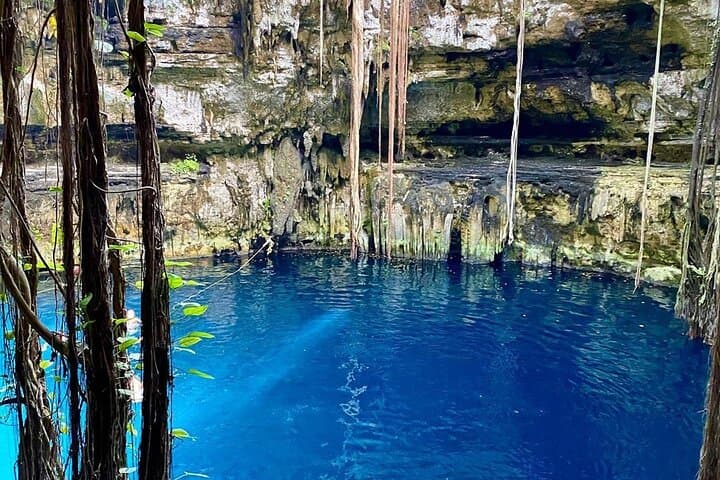
This region of the northern Yucatán sits on a raised limestone platform formed by ancient coral reef and karstic processes. The Maya built here between roughly AD 600–1200, leaving ball courts, observatories and stelae that record political power and celestial observation. Nearby cenotes—collapsed limestone sinkholes fed by an underground river—offer a sharp contrast: blue-green water, Banyan roots dangling like ropes, and the satisfying thwack of a rope swing into clear depths.
Culturally, the site remains an active point of pride and study; a private guide can explain calendrical alignments and rituals that shaped the plazas. Geologically, swimming the cenote connects you to the aquifer that supports the peninsula.
Practical edge: plan for an early start to beat buses and midday heat, wear breathable walking shoes with good traction for uneven stone, and pack a dry bag for valuables before the cenote swim. Bring sunscreen and a reusable water bottle—the tour provides bottled water, but refilling reduces waste.
Expect a full-day rhythm: 2–3 hours on-site touring ruins, a break for lunch, then 45–90 minutes at a cenote. The pace is customizable; if climbing the pyramid platforms is restricted during your visit, the guide will rearrange highlights to maximize your time.
moderate.
6–8 hours.
Moderate: able to walk 2–3 hours over uneven surfaces, climb short flights of stairs, and handle warm, humid conditions.
From Playa del Carmen expect roughly 2.5–3 hours by private vehicle; Cancun is about 2–2.5 hours depending on traffic.
Yes—stroller access and infant seats are available, but the ruins require parental supervision and some walking on uneven ground.
Climbing access changes with site regulations; currently public climbing is usually restricted, but guides will show other viewpoints and explain the architecture.
Most cenotes have shallow entry points, but currents and depth vary—non-swimmers should wear a life vest and stay near guided areas.
Chichen Itza was a major regional center between the Late Classic and Early Postclassic periods; its structures reflect Maya astronomical observation and Mesoamerican ballgame culture.
Visitor numbers and swim-site management affect fragile limestone and aquifer quality; choose operators who minimize single-use plastics and follow site rules.
Tulum Underground operates guided outdoor trips and adventures with an emphasis on safety, stewardship, and memorable experiences.
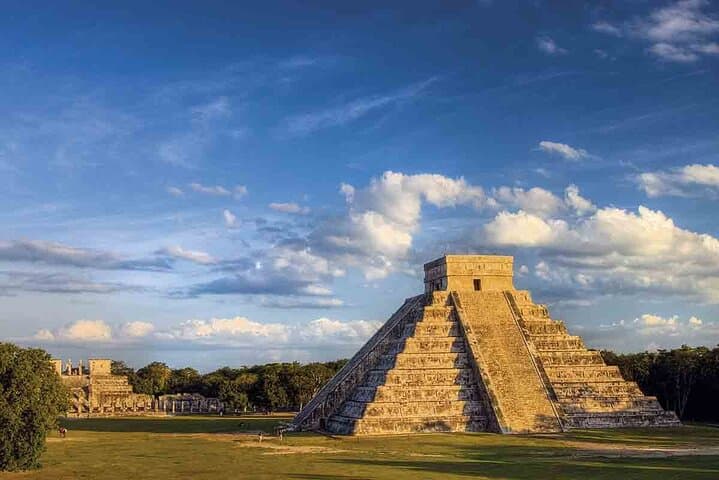
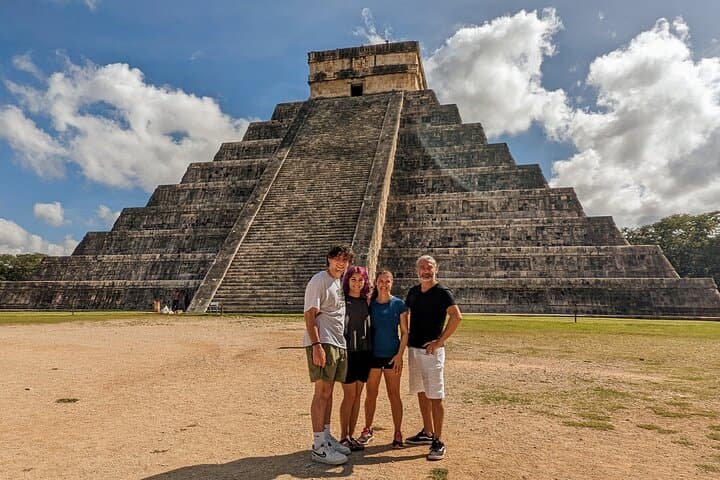
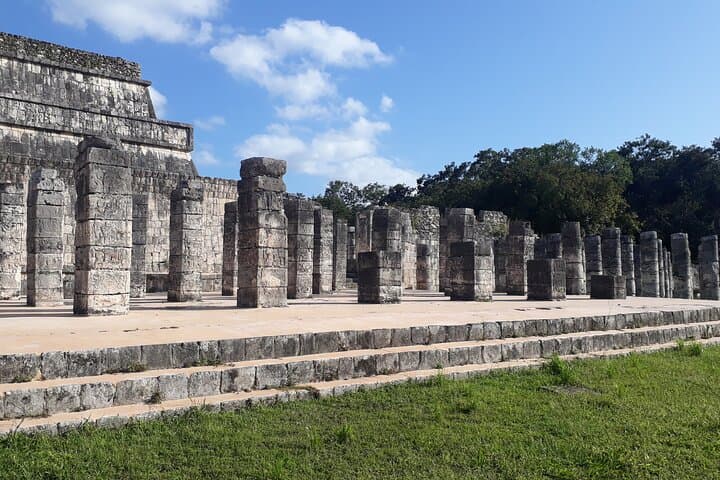
You step from the air-conditioned van and the stone geometry of Chichen Itza cuts into the light—shadows folding along steps that once held priests and players. A certified guide leads you past the cool hush of columns to the Pyramid of Kukulkan; clap once and the plaza answers back, the acoustic trick that still surprises visitors.
You step from the air-conditioned van and the stone geometry of Chichen Itza cuts into the light—shadows folding along steps that once held priests and players. A certified guide leads you past the cool hush of columns to the Pyramid of Kukulkan; clap once and the plaza answers back, the acoustic trick that still surprises visitors.
This region of the northern Yucatán sits on a raised limestone platform formed by ancient coral reef and karstic processes. The Maya built here between roughly AD 600–1200, leaving ball courts, observatories and stelae that record political power and celestial observation. Nearby cenotes—collapsed limestone sinkholes fed by an underground river—offer a sharp contrast: blue-green water, Banyan roots dangling like ropes, and the satisfying thwack of a rope swing into clear depths.
Culturally, the site remains an active point of pride and study; a private guide can explain calendrical alignments and rituals that shaped the plazas. Geologically, swimming the cenote connects you to the aquifer that supports the peninsula.
Practical edge: plan for an early start to beat buses and midday heat, wear breathable walking shoes with good traction for uneven stone, and pack a dry bag for valuables before the cenote swim. Bring sunscreen and a reusable water bottle—the tour provides bottled water, but refilling reduces waste.
Expect a full-day rhythm: 2–3 hours on-site touring ruins, a break for lunch, then 45–90 minutes at a cenote. The pace is customizable; if climbing the pyramid platforms is restricted during your visit, the guide will rearrange highlights to maximize your time.