THE ADVENTURE COLLECTIVE® · Independent discovery and booking for outdoor travel

See three of the Yucatán’s most important Mayan sites—Chichén Itzá, Coba and Tulum—in one private, guided day. This well-paced tour combines archaeology, low-jungle walks and coastal views with practical amenities like air-conditioned transport and bilingual guiding.
See three of the Yucatán’s most important Mayan sites—Chichén Itzá, Coba and Tulum—in one private, guided day. This well-paced tour combines archaeology, low-jungle walks and coastal views with practical amenities like air-conditioned transport and bilingual guiding.
A dawn bus slides out of hotel-lit Cancún toward the scrub and low jungle of the Yucatán, and by mid-morning the air changes: warmer, laced with the smell of earth and distant salt. The first shadow you meet is El Castillo at Chichén Itzá — a stepped pyramid that imposes order on the horizon and invites questions about calendars, astronomy and ritual.
Verified experiences and guided adventures in the surrounding area.
Operated by Viajes Tours Maya · Pisté, Yucatán
A dawn bus slides out of hotel-lit Cancún toward the scrub and low jungle of the Yucatán, and by mid-morning the air changes: warmer, laced with the smell of earth and distant salt. The first shadow you meet is El Castillo at Chichén Itzá — a stepped pyramid that imposes order on the horizon and invites questions about calendars, astronomy and ritual.
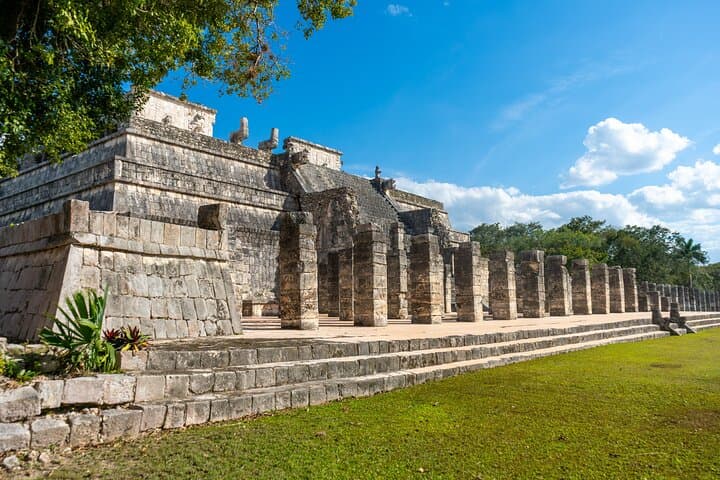
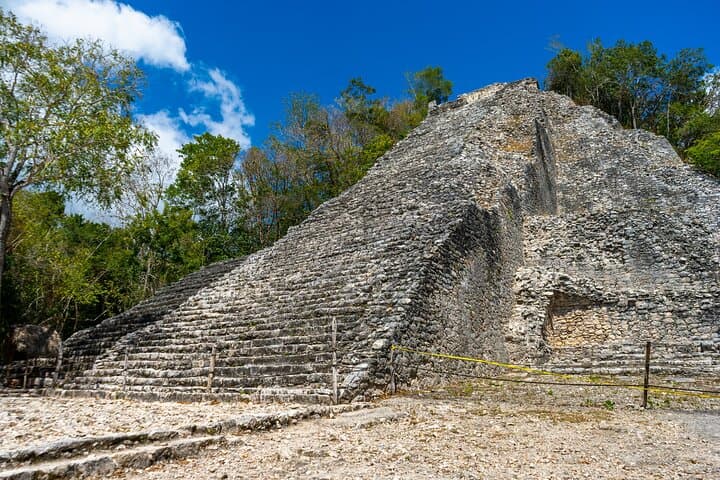
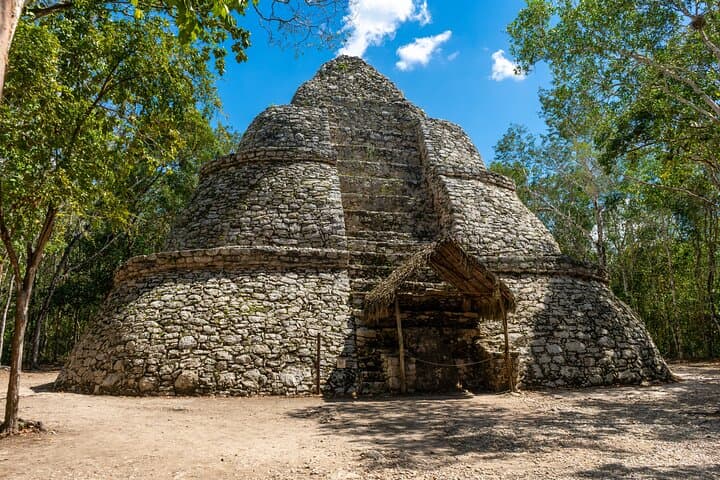
This loop—Chichén Itzá, Coba and Tulum—maps three chapters of Mayan life. Chichén Itzá became a regional power after the Classic period; Coba sits inland amid limestone lowlands with the peninsula’s tallest surviving pyramid, Nohoch Mul; and Tulum marks the trading port where sea and city met at the end of the Classic era. The geology is karst limestone: cenotes and porous ground shape travel routes and water sources, and the ruins often sprout from shallow forest floor.
Expect mixed surfaces—ruin plazas, packed dirt, and a few stair climbs. Your bilingual guide frames architecture, glyphs and the ecological context, and there’s a cooler with water and light snacks on board. Timing is practical: an early pickup to avoid midday crowds, two-hour visits at each site, and short transfers between stops. Bring biodegradable sunscreen, closed-toe shoes, and a light rain layer in summer.
Practical rhythm beats romance here: plan for a long day (roughly eight hours), limit heavy bags, and conserve phone battery for photos. Respect restricted areas and follow guides to reduce impact. For travelers who want concentrated cultural history alongside simple outdoor walking and dramatic coastal views, this private loop is an efficient, informative way to see three defining Mayan places in a single, well-paced day.
moderate.
8 hours.
Suitable for travelers who can walk 1–3 miles over uneven ground and climb stairs; not strenuous but expect a long day.
Admissions to the three Mayan sites are included in the tour price, but any optional onsite services or museum entries may cost extra.
The tour is family-friendly and labeled physically easy, but it involves walking and stairs; ask about infant seating and mobility needs when booking.
Climbing rules vary: Chichén Itzá and many structures restrict climbing, while Coba previously allowed limited climbs to Nohoch Mul—follow current site regulations and your guide’s instructions.
This itinerary focuses on the three ruins and does not include a scheduled cenote swim, though some operators can arrange a stop if you request it in advance.
These sites reflect different Mayan eras—Chichén Itzá’s regional power and astronomical alignments, Coba’s inland trade routes and tall pyramids, and Tulum’s role as a coastal trading port at the empire’s waning centuries.
Visitor pressure stresses fragile monuments and cenotes; use biodegradable products, stay on marked paths, and follow guide instructions to reduce wear and protect wildlife.
Viajes Tours Maya operates guided outdoor trips and adventures with an emphasis on safety, stewardship, and memorable experiences.
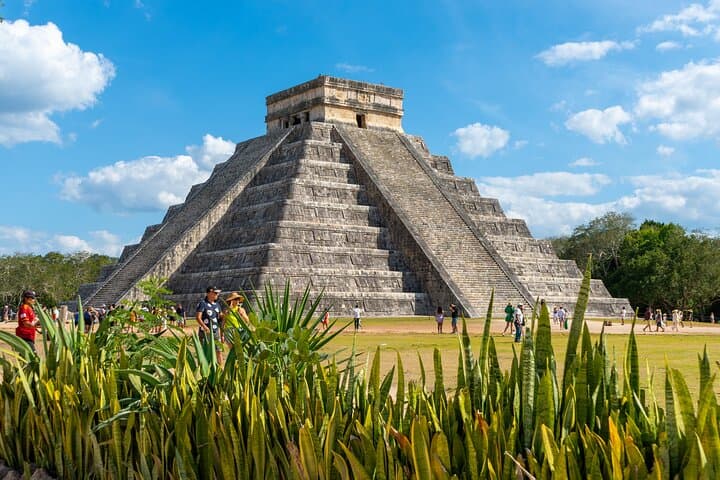
A dawn bus slides out of hotel-lit Cancún toward the scrub and low jungle of the Yucatán, and by mid-morning the air changes: warmer, laced with the smell of earth and distant salt. The first shadow you meet is El Castillo at Chichén Itzá — a stepped pyramid that imposes order on the horizon and invites questions about calendars, astronomy and ritual.
A dawn bus slides out of hotel-lit Cancún toward the scrub and low jungle of the Yucatán, and by mid-morning the air changes: warmer, laced with the smell of earth and distant salt. The first shadow you meet is El Castillo at Chichén Itzá — a stepped pyramid that imposes order on the horizon and invites questions about calendars, astronomy and ritual.
This loop—Chichén Itzá, Coba and Tulum—maps three chapters of Mayan life. Chichén Itzá became a regional power after the Classic period; Coba sits inland amid limestone lowlands with the peninsula’s tallest surviving pyramid, Nohoch Mul; and Tulum marks the trading port where sea and city met at the end of the Classic era. The geology is karst limestone: cenotes and porous ground shape travel routes and water sources, and the ruins often sprout from shallow forest floor.
Expect mixed surfaces—ruin plazas, packed dirt, and a few stair climbs. Your bilingual guide frames architecture, glyphs and the ecological context, and there’s a cooler with water and light snacks on board. Timing is practical: an early pickup to avoid midday crowds, two-hour visits at each site, and short transfers between stops. Bring biodegradable sunscreen, closed-toe shoes, and a light rain layer in summer.
Practical rhythm beats romance here: plan for a long day (roughly eight hours), limit heavy bags, and conserve phone battery for photos. Respect restricted areas and follow guides to reduce impact. For travelers who want concentrated cultural history alongside simple outdoor walking and dramatic coastal views, this private loop is an efficient, informative way to see three defining Mayan places in a single, well-paced day.