THE ADVENTURE COLLECTIVE® · Independent discovery and booking for outdoor travel

Experience two contrasting Mayan sites in one day: the monumental astronomy-driven plazas of Chichén Itzá and the intimate stucco work of Ek Balam, capped by a colonial lunch in Valladolid. This private tour pairs guided context with comfortable transport for a focused cultural day trip.
Experience two contrasting Mayan sites in one day: the monumental astronomy-driven plazas of Chichén Itzá and the intimate stucco work of Ek Balam, capped by a colonial lunch in Valladolid. This private tour pairs guided context with comfortable transport for a focused cultural day trip.
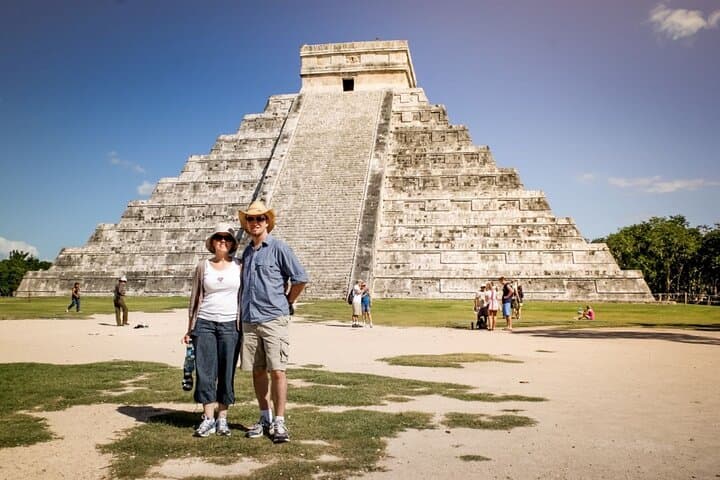
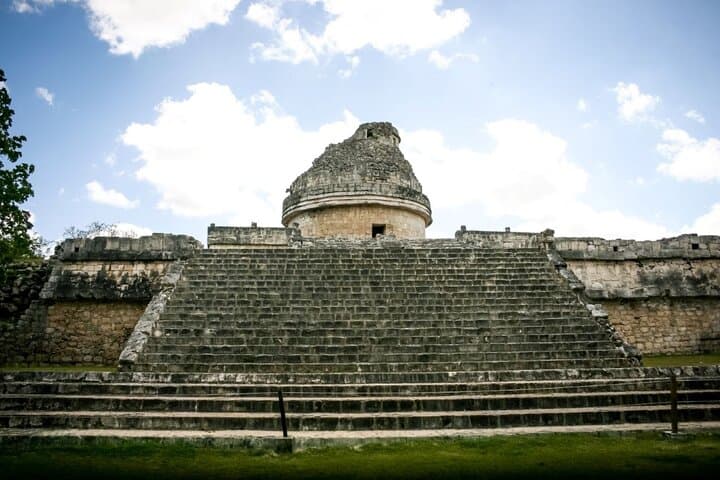
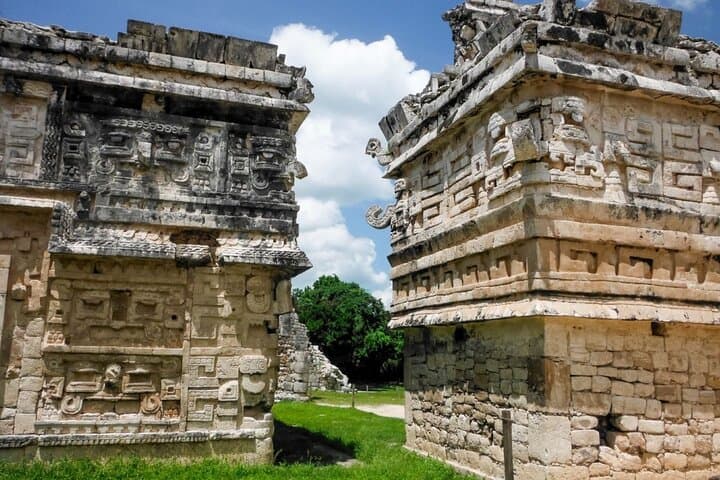
You arrive before the heat settles, stepping from an air-conditioned van into limestone dust and the low hum of cicadas. El Castillo at Chichén Itzá rises like a precise calculation against a bright sky; nearby, Ek Balam’s Acropolis crouches with carved jaguars and stucco that still keeps the shape of faces. The route stitches two eras of the Maya together — a busy ceremonial center shaped by astronomy and a quieter provincial capital where artistry survives in reliefs and stairways.
Verified experiences and guided adventures in the surrounding area.
Operated by Mexico Sol Tours · Valladolid, Yucatán
You arrive before the heat settles, stepping from an air-conditioned van into limestone dust and the low hum of cicadas. El Castillo at Chichén Itzá rises like a precise calculation against a bright sky; nearby, Ek Balam’s Acropolis crouches with carved jaguars and stucco that still keeps the shape of faces. The route stitches two eras of the Maya together — a busy ceremonial center shaped by astronomy and a quieter provincial capital where artistry survives in reliefs and stairways.
The Yucatán sits on a flat, porous limestone plain cut by sinkholes (cenotes) and underground rivers that dictated settlement patterns and ritual life. Chichén Itzá became a regional hub in the Terminal Classic period, while Ek Balam preserves sculptural work often removed or eroded at larger sites. Valladolid, a colonial town founded in the 16th century, provides a living contrast: colored facades, a Franciscan convent, and a central plaza where local cuisine is on full display.
Practical guidance: this is an eight-hour day with roughly 2–4 km of on-foot exploring across both sites, mostly level but with uneven, stepped surfaces and dusty paths. Bring 2–3 liters of water, sun protection, and sturdy walking shoes; Ek Balam has a climbable Acropolis (steep steps, handholds). Plan for early departures to avoid peak sun and crowds; expect guided commentary, included admissions, and a sit-down Yucatecan lunch in Valladolid. Respect ropes and signs, carry small change for vendors, and save time for a quick dip at a nearby cenote if your schedule allows.
easy.
7–8 hours.
Suitable for people in regular walking condition; involves up to 4 km of walking on uneven ground and some stairs.
Yes — the tour includes all necessary admission fees to Chichén Itzá, Ek Balam, and Valladolid stops as part of the package.
Climbing is prohibited at Chichén Itzá, but Ek Balam’s Acropolis has a permitted climb with steep steps; follow your guide’s direction for safety.
This private tour typically provides round-trip air-conditioned van pickup from Playa del Carmen or a nearby meeting point; confirm your exact pickup with the operator when booking.
Children can participate, but expect dusty paths and stairs; limited mobility travelers may find some areas inaccessible — notify the operator about special requirements in advance.
Chichén Itzá rose as a major political and trading center between the 9th and 12th centuries; Valladolid was established by the Spanish in the 16th century and remains a hub of Yucatecan culture.
Both archaeological zones are protected; visitors should avoid touching masonry, use refillable water bottles, and follow guide instructions to minimize impact.
Mexico Sol Tours operates guided outdoor trips and adventures with an emphasis on safety, stewardship, and memorable experiences.
You arrive before the heat settles, stepping from an air-conditioned van into limestone dust and the low hum of cicadas. El Castillo at Chichén Itzá rises like a precise calculation against a bright sky; nearby, Ek Balam’s Acropolis crouches with carved jaguars and stucco that still keeps the shape of faces. The route stitches two eras of the Maya together — a busy ceremonial center shaped by astronomy and a quieter provincial capital where artistry survives in reliefs and stairways.
You arrive before the heat settles, stepping from an air-conditioned van into limestone dust and the low hum of cicadas. El Castillo at Chichén Itzá rises like a precise calculation against a bright sky; nearby, Ek Balam’s Acropolis crouches with carved jaguars and stucco that still keeps the shape of faces. The route stitches two eras of the Maya together — a busy ceremonial center shaped by astronomy and a quieter provincial capital where artistry survives in reliefs and stairways.
The Yucatán sits on a flat, porous limestone plain cut by sinkholes (cenotes) and underground rivers that dictated settlement patterns and ritual life. Chichén Itzá became a regional hub in the Terminal Classic period, while Ek Balam preserves sculptural work often removed or eroded at larger sites. Valladolid, a colonial town founded in the 16th century, provides a living contrast: colored facades, a Franciscan convent, and a central plaza where local cuisine is on full display.
Practical guidance: this is an eight-hour day with roughly 2–4 km of on-foot exploring across both sites, mostly level but with uneven, stepped surfaces and dusty paths. Bring 2–3 liters of water, sun protection, and sturdy walking shoes; Ek Balam has a climbable Acropolis (steep steps, handholds). Plan for early departures to avoid peak sun and crowds; expect guided commentary, included admissions, and a sit-down Yucatecan lunch in Valladolid. Respect ropes and signs, carry small change for vendors, and save time for a quick dip at a nearby cenote if your schedule allows.