THE ADVENTURE COLLECTIVE® · Independent discovery and booking for outdoor travel

Visit two of the Yucatán’s most important Maya sites plus a dramatic cenote on a private, full‑day trip from Cancun. Expect early starts, moderate walking, and a refreshing cave swim at Ik Kil.
Visit two of the Yucatán’s most important Maya sites plus a dramatic cenote on a private, full‑day trip from Cancun. Expect early starts, moderate walking, and a refreshing cave swim at Ik Kil.
You step out of the air-conditioned van and into the dry, warm air of the Yucatán morning—sun carving the stone edges of El Castillo into sharp relief. The plaza at Chichén Itzá hums with history: stone platforms that once hosted markets and ceremonies, staircases that mark astronomical rhythms. Later the road narrows, trees close overhead, and the jungle around Coba seems to breathe—vines tugging at rumble of ancient sacbe roads beneath your boots.
Verified experiences and guided adventures in the surrounding area.
Operated by Trip To Mexico · Cancun, Quintana Roo
You step out of the air-conditioned van and into the dry, warm air of the Yucatán morning—sun carving the stone edges of El Castillo into sharp relief. The plaza at Chichén Itzá hums with history: stone platforms that once hosted markets and ceremonies, staircases that mark astronomical rhythms. Later the road narrows, trees close overhead, and the jungle around Coba seems to breathe—vines tugging at rumble of ancient sacbe roads beneath your boots.
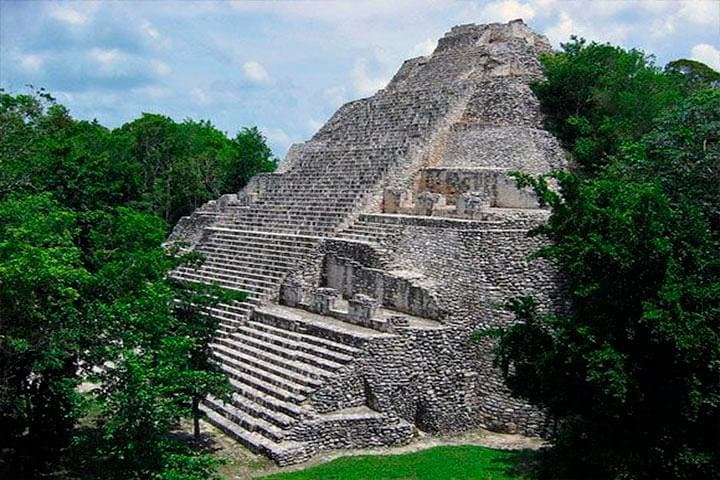
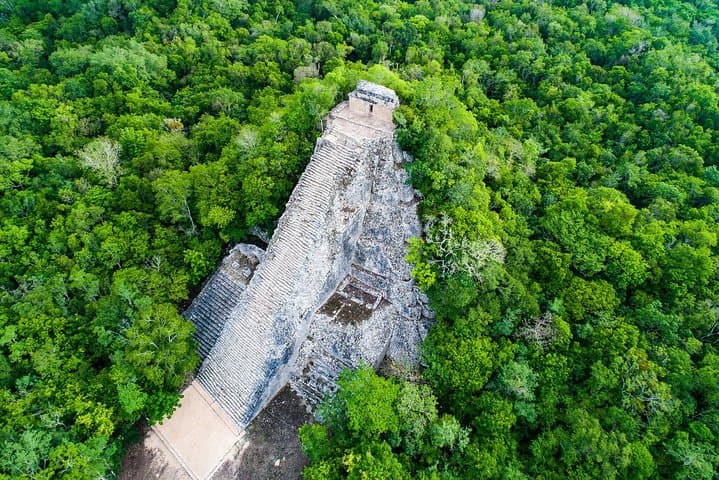
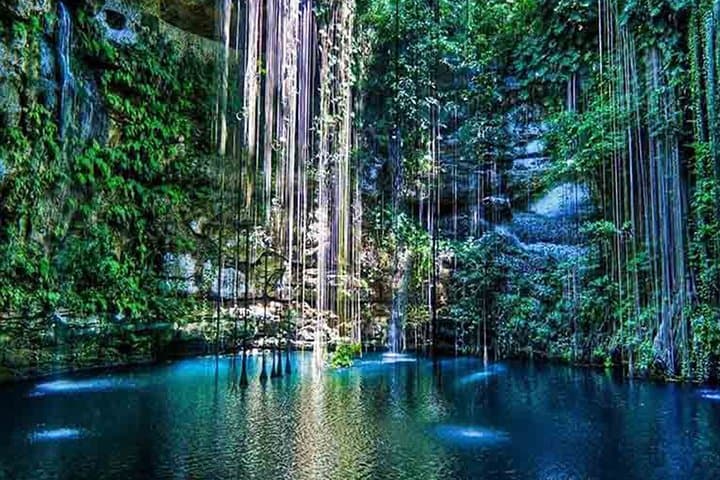
Chichén Itzá rose to prominence as a major Maya center between the Classic and Postclassic periods; its main pyramid aligns with sun patterns at the equinox. Coba’s claim is its network of stelae and the Nohoch Mul pyramid—the climb offers a rare, vertical perspective over forest canopy. Geologically, the region sits on a porous limestone shelf: rain carves cenotes where the water-table drops, producing the dramatic sinkholes like Ik Kil where you can swim in a cave chamber fed by subterranean rivers.
Culture here is present in small ways—vendors selling handwoven hammocks, local guides who can read glyph patterns and point out colonial-era synthesis in nearby towns. Practically, this is a full, early-start day: expect about 10 hours round trip with several hours of walking on packed earth, uneven stone, and wooden boardwalks.
Bring a swimsuit and biodegradable sunscreen for the cenote, sturdy walking shoes for ruins, and a light rain layer in summer. Start early to avoid heat and crowds; hydrate frequently, and follow site rules—do not climb El Castillo and use marked paths to protect fragile sites. With sensible planning, the day pairs archaeological wonder with a refreshing swim in a natural well.
moderate.
10 hours.
Moderate—comfortable walking for several hours, some stair climbing, and short steps over uneven terrain.
Yes—this private tour includes admission to Chichén Itzá, Coba, and the Ik Kil cenote as listed in the itinerary.
Lunch is not included; plan to bring snacks or budget for a local lunch stop en route.
Pickup is approximately 06:00 AM from hotels in Cancun and the Riviera Maya; exact pickup point is confirmed after booking.
The tour requires moderate fitness and involves walking on uneven ground and stairs; infants must sit on an adult’s lap and specialized infant seats are available.
Chichén Itzá was a major Maya political and ceremonial center; Coba was a dispersed city connected by sacbeob (white-limestone roads) and retains the climbable Nohoch Mul pyramid.
Follow park rules, avoid touching structures and stalactites, and use biodegradable sunscreen—tourism pressure and water contamination are ongoing conservation concerns in the Yucatán.
Trip To Mexico operates guided outdoor trips and adventures with an emphasis on safety, stewardship, and memorable experiences.
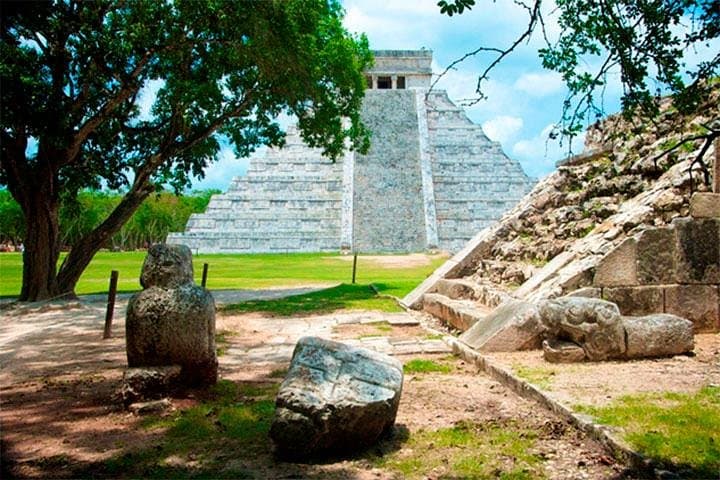
You step out of the air-conditioned van and into the dry, warm air of the Yucatán morning—sun carving the stone edges of El Castillo into sharp relief. The plaza at Chichén Itzá hums with history: stone platforms that once hosted markets and ceremonies, staircases that mark astronomical rhythms. Later the road narrows, trees close overhead, and the jungle around Coba seems to breathe—vines tugging at rumble of ancient sacbe roads beneath your boots.
You step out of the air-conditioned van and into the dry, warm air of the Yucatán morning—sun carving the stone edges of El Castillo into sharp relief. The plaza at Chichén Itzá hums with history: stone platforms that once hosted markets and ceremonies, staircases that mark astronomical rhythms. Later the road narrows, trees close overhead, and the jungle around Coba seems to breathe—vines tugging at rumble of ancient sacbe roads beneath your boots.
Chichén Itzá rose to prominence as a major Maya center between the Classic and Postclassic periods; its main pyramid aligns with sun patterns at the equinox. Coba’s claim is its network of stelae and the Nohoch Mul pyramid—the climb offers a rare, vertical perspective over forest canopy. Geologically, the region sits on a porous limestone shelf: rain carves cenotes where the water-table drops, producing the dramatic sinkholes like Ik Kil where you can swim in a cave chamber fed by subterranean rivers.
Culture here is present in small ways—vendors selling handwoven hammocks, local guides who can read glyph patterns and point out colonial-era synthesis in nearby towns. Practically, this is a full, early-start day: expect about 10 hours round trip with several hours of walking on packed earth, uneven stone, and wooden boardwalks.
Bring a swimsuit and biodegradable sunscreen for the cenote, sturdy walking shoes for ruins, and a light rain layer in summer. Start early to avoid heat and crowds; hydrate frequently, and follow site rules—do not climb El Castillo and use marked paths to protect fragile sites. With sensible planning, the day pairs archaeological wonder with a refreshing swim in a natural well.