THE ADVENTURE COLLECTIVE® · Independent discovery and booking for outdoor travel

Trade Florence’s pavements for rolling Chianti hills on a private half-day tasting that blends estate visits with a stop in Panzano. Expect guided tastings, vineyard views, and a close look at Tuscan winemaking traditions.
Trade Florence’s pavements for rolling Chianti hills on a private half-day tasting that blends estate visits with a stop in Panzano. Expect guided tastings, vineyard views, and a close look at Tuscan winemaking traditions.
You climb into a Mercedes van and the city gives way to hills—rows of vines stepping down toward stone farmhouses, cypress fingers punctuating the skyline. The air smells of sun-warmed earth and grape must; the drive itself is a soft opening act for the main attraction: Chianti.
Verified experiences and guided adventures in the surrounding area.
Operated by My Green Tour · Panzano in Chianti, Tuscany
You climb into a Mercedes van and the city gives way to hills—rows of vines stepping down toward stone farmhouses, cypress fingers punctuating the skyline. The air smells of sun-warmed earth and grape must; the drive itself is a soft opening act for the main attraction: Chianti.
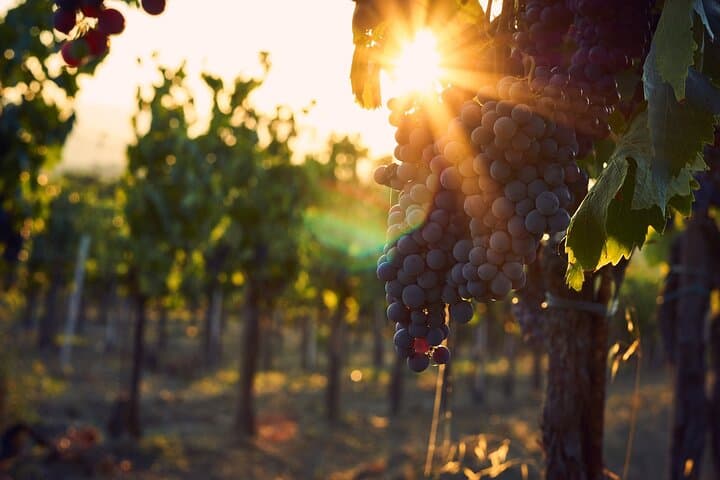
Chianti’s story is written in soil and custom. The region’s galestro and limestone soils encourage thin-skinned Sangiovese grapes, producing wines with bright acidity and savory tannins. Centuries of small-scale family winemaking and the black rooster emblem of Chianti Classico tie modern tastings to a medieval guild tradition. In villages like Panzano, centuries-old piazzas host butcher shops and simple osterias where food culture is as direct as the wines.
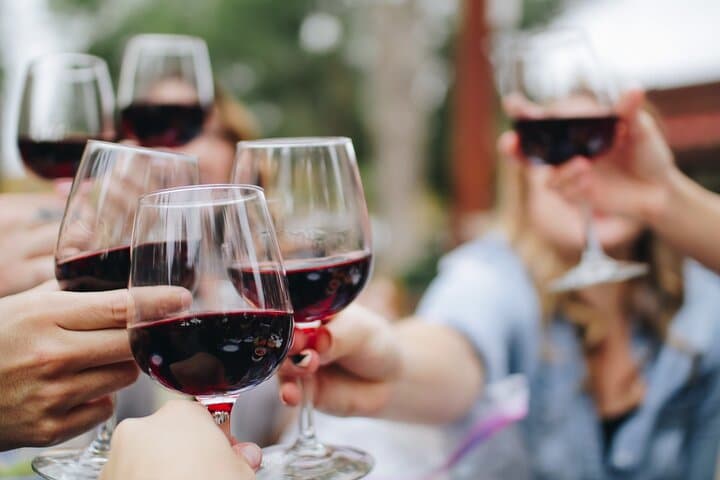
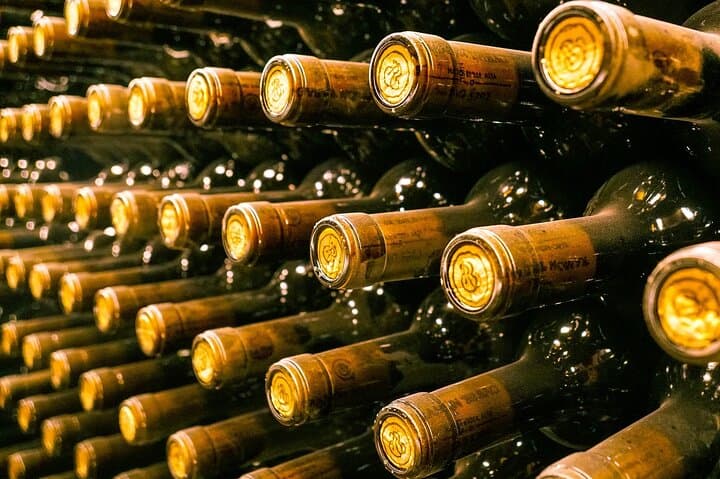
On this private half-day you’ll visit an estate for two guided tastings, learn production steps from vine to barrel, and stop in Panzano—where local character and the theatrical presence of Dario Cecchini add a cultural counterpoint.
Practical notes: tours run about six to seven hours door-to-door from Florence with air-conditioned transport; walking is light but includes uneven village lanes and winery gravel. Taste pacing matters—sip, rest, and note structure before moving on. Bring a small amount of cash for market purchases, a light layer for cellar coolness, and a camera with a charged battery. Book mornings in summer for cooler tasting windows and reserve ahead during harvest in September–October when estates are busiest. This is a sensory, low-effort outing that rewards curiosity about terroir and traditional Tuscan foodways.
easy.
6–7 hours.
Suitable for most fitness levels; mostly seated in transport with light walking on uneven surfaces
Yes—this private tour includes hotel or apartment pickup within Florence; you provide the pickup point at booking.
Expect two formal tastings at a typical winery and a few additional samples or pours during stops—your guide will manage pacing.
Standard inclusions usually feature typical Tuscan appetizers during tastings; check your booking for specifics and dietary accommodations.
The tour is physically easy but not recommended for pregnant travelers when tastings are heavy; infants must sit on laps per provider policy.
Chianti’s wine identity solidified in the 18th–19th centuries with local consortia and the Chianti Classico boundaries; the black rooster emblem originates from a medieval militia symbol.
Many estates practice sustainable and organic viticulture to protect soil health and biodiversity—pack out waste and respect private vineyards.
My Green Tour operates guided outdoor trips and adventures with an emphasis on safety, stewardship, and memorable experiences.
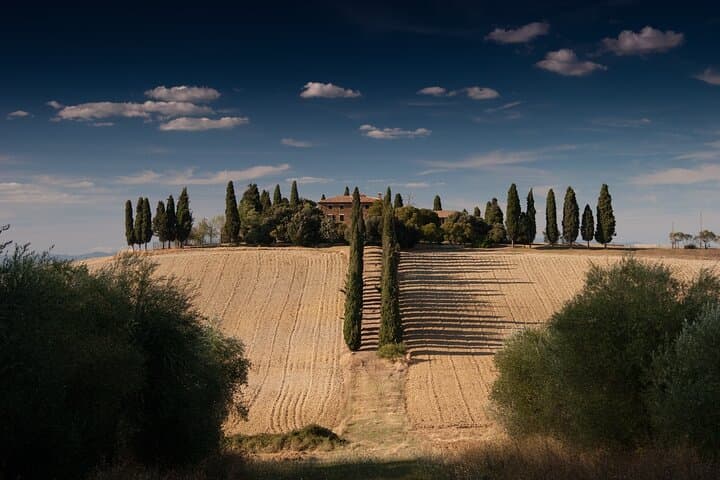
You climb into a Mercedes van and the city gives way to hills—rows of vines stepping down toward stone farmhouses, cypress fingers punctuating the skyline. The air smells of sun-warmed earth and grape must; the drive itself is a soft opening act for the main attraction: Chianti.
You climb into a Mercedes van and the city gives way to hills—rows of vines stepping down toward stone farmhouses, cypress fingers punctuating the skyline. The air smells of sun-warmed earth and grape must; the drive itself is a soft opening act for the main attraction: Chianti.
Chianti’s story is written in soil and custom. The region’s galestro and limestone soils encourage thin-skinned Sangiovese grapes, producing wines with bright acidity and savory tannins. Centuries of small-scale family winemaking and the black rooster emblem of Chianti Classico tie modern tastings to a medieval guild tradition. In villages like Panzano, centuries-old piazzas host butcher shops and simple osterias where food culture is as direct as the wines.
On this private half-day you’ll visit an estate for two guided tastings, learn production steps from vine to barrel, and stop in Panzano—where local character and the theatrical presence of Dario Cecchini add a cultural counterpoint.
Practical notes: tours run about six to seven hours door-to-door from Florence with air-conditioned transport; walking is light but includes uneven village lanes and winery gravel. Taste pacing matters—sip, rest, and note structure before moving on. Bring a small amount of cash for market purchases, a light layer for cellar coolness, and a camera with a charged battery. Book mornings in summer for cooler tasting windows and reserve ahead during harvest in September–October when estates are busiest. This is a sensory, low-effort outing that rewards curiosity about terroir and traditional Tuscan foodways.