THE ADVENTURE COLLECTIVE® · Independent discovery and booking for outdoor travel

Shape a private, 4‑hour Chiang Mai tour around temples, markets and Doi Suthep with a local guide who adapts the day to your pace. Expect temple history, market flavors, and 306 steps to a hilltop chedi unless you choose the road.
Shape a private, 4‑hour Chiang Mai tour around temples, markets and Doi Suthep with a local guide who adapts the day to your pace. Expect temple history, market flavors, and 306 steps to a hilltop chedi unless you choose the road.
The morning light cuts across Chiang Mai’s moat and narrow lanes as your guide waits with a smile and a plan you helped shape. You move from the crowded, fragrant stalls of Warorot Market—fruit vendors calling, chili and citrus sharp in the air—to the quieter shade of Lanna-era temples where gilt roofs catch the sun.
Verified experiences and guided adventures in the surrounding area.
Operated by Private Guide in Chiang Mai · Chiang Mai, Chiang Mai Province
The morning light cuts across Chiang Mai’s moat and narrow lanes as your guide waits with a smile and a plan you helped shape. You move from the crowded, fragrant stalls of Warorot Market—fruit vendors calling, chili and citrus sharp in the air—to the quieter shade of Lanna-era temples where gilt roofs catch the sun.
Chiang Mai sits on a sedimentary plain at the foot of the Thanon Thong Chai range; Doi Suthep rises above the city inside Doi Suthep–Pui National Park, its monastery perched after a 306-step climb or a short drive. Wat Chedi Luang, rebuilt after 16th‑century quakes, and Wat Phra That Doi Suthep, with its 600‑year Lanna architecture and gold-plated chedi, reveal the region’s religious and political history: Chiang Mai was the capital of the Lanna kingdom and remains culturally distinct from Bangkok.
A private guide here balances cultural context with logistics—where to pause for sticky rice, which shrines allow photography, and how to navigate traffic and narrow alleys. Expect walking on uneven temple courtyards, crowded market lanes, and optional stair climbing at Doi Suthep; the guide can substitute viewpoints or vehicle access.
Practical edge: plan 3–4 hours, bring modest clothing that covers shoulders/knees for temples, carry water and cash for small vendors, and schedule mornings or late afternoons to avoid midday heat. Guides typically include bottled water and insurance, and they’ll tailor the pace to families or hikers wanting more time on trails behind Doi Pui.
easy.
4 hours.
Suitable for most fitness levels; some stair climbing at Doi Suthep but routes can be driven to reduce exertion.
Yes—this private service is designed to be flexible; you can prioritize temples, markets, hiking or a mix and the guide will adapt the route.
Entrance inclusion varies; some temple or national park fees may not be covered—confirm with the guide when booking.
Yes—you can drive or be dropped at the temple base and use paved paths; the 306 steps are optional and there is a tramless uphill road access.
Some city and market sections are wheelchair accessible, but many temple areas and the Doi Suthep steps are not; discuss mobility needs with the guide in advance.
Chiang Mai was the capital of the Lanna Kingdom from the 13th century, shaping the city’s distinct temple architecture and cultural festivals.
Doi Suthep–Pui National Park protects forest and watershed above the city; visitors should stick to trails, avoid single‑use plastics, and respect shrine rules to limit wear on historic sites.
Private Guide in Chiang Mai operates guided outdoor trips and adventures with an emphasis on safety, stewardship, and memorable experiences.


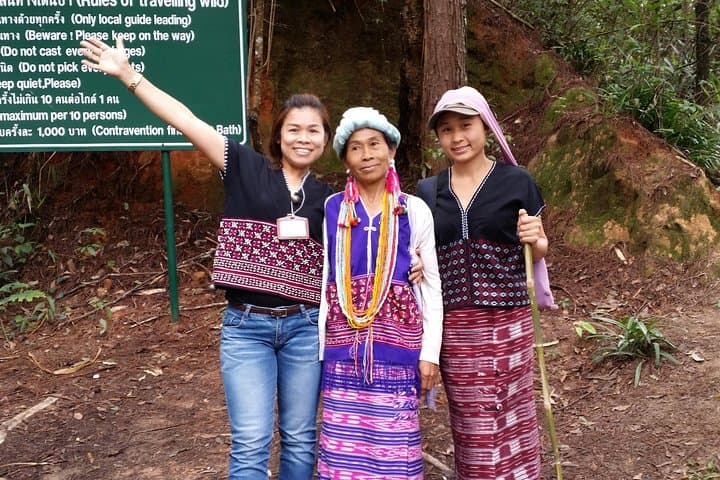
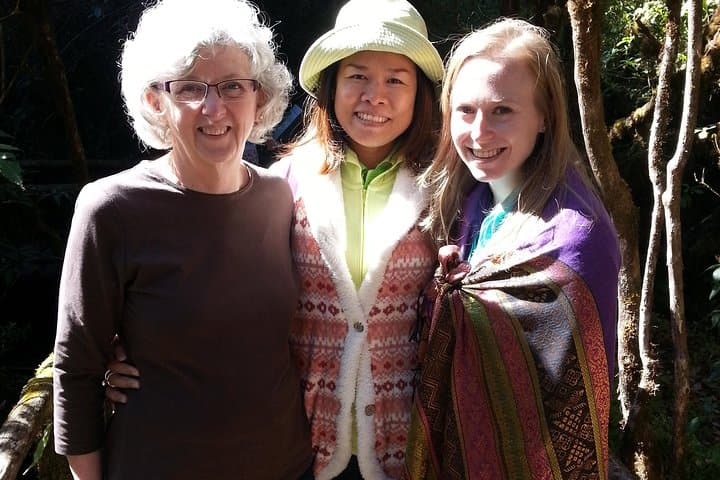
The morning light cuts across Chiang Mai’s moat and narrow lanes as your guide waits with a smile and a plan you helped shape. You move from the crowded, fragrant stalls of Warorot Market—fruit vendors calling, chili and citrus sharp in the air—to the quieter shade of Lanna-era temples where gilt roofs catch the sun.
The morning light cuts across Chiang Mai’s moat and narrow lanes as your guide waits with a smile and a plan you helped shape. You move from the crowded, fragrant stalls of Warorot Market—fruit vendors calling, chili and citrus sharp in the air—to the quieter shade of Lanna-era temples where gilt roofs catch the sun.
Chiang Mai sits on a sedimentary plain at the foot of the Thanon Thong Chai range; Doi Suthep rises above the city inside Doi Suthep–Pui National Park, its monastery perched after a 306-step climb or a short drive. Wat Chedi Luang, rebuilt after 16th‑century quakes, and Wat Phra That Doi Suthep, with its 600‑year Lanna architecture and gold-plated chedi, reveal the region’s religious and political history: Chiang Mai was the capital of the Lanna kingdom and remains culturally distinct from Bangkok.
A private guide here balances cultural context with logistics—where to pause for sticky rice, which shrines allow photography, and how to navigate traffic and narrow alleys. Expect walking on uneven temple courtyards, crowded market lanes, and optional stair climbing at Doi Suthep; the guide can substitute viewpoints or vehicle access.
Practical edge: plan 3–4 hours, bring modest clothing that covers shoulders/knees for temples, carry water and cash for small vendors, and schedule mornings or late afternoons to avoid midday heat. Guides typically include bottled water and insurance, and they’ll tailor the pace to families or hikers wanting more time on trails behind Doi Pui.