THE ADVENTURE COLLECTIVE® · Independent discovery and booking for outdoor travel

Three days of northern Thai contrast: gilded Lanna temples, cloud-forest peaks at Doi Inthanon and the surreal White Temple in Chiang Rai, all by private vehicle and local guide. Read on for what to expect, practical prep and local insights.
Three days of northern Thai contrast: gilded Lanna temples, cloud-forest peaks at Doi Inthanon and the surreal White Temple in Chiang Rai, all by private vehicle and local guide. Read on for what to expect, practical prep and local insights.
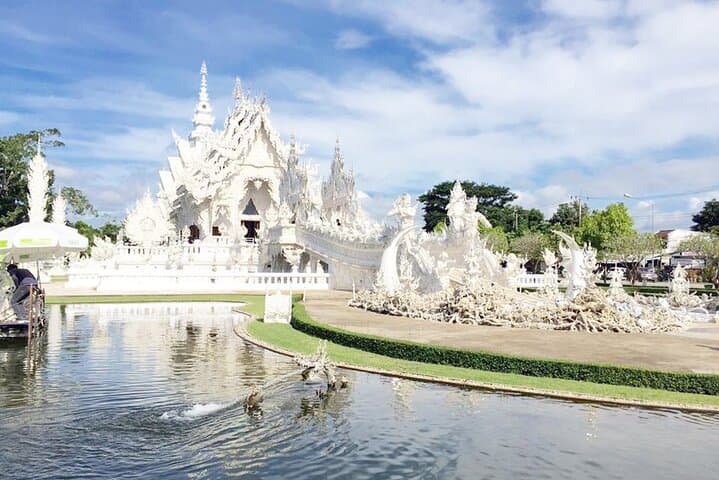
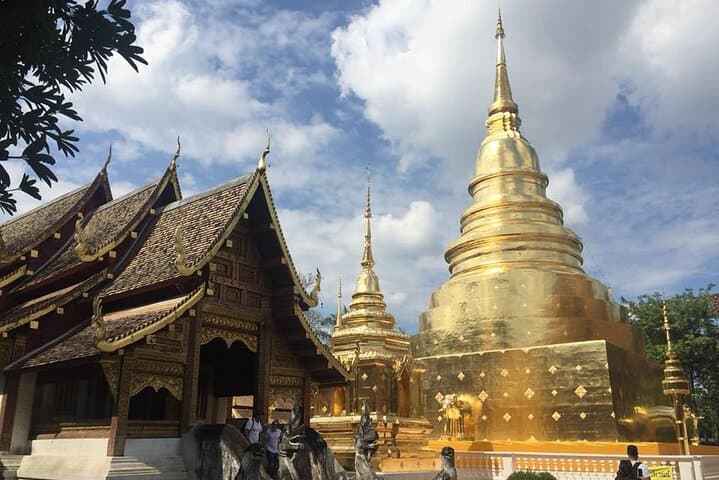
The morning begins on a shaded Chiang Mai street as a private, air-conditioned vehicle eases away from the city and climbs toward Doi Suthep — incense and prayer flags brushing past as the guide points out the gilded chedi above. Over three days the route alternates between temple courtyards, mist-worn highland roads and the bright, modern oddity of Chiang Rai’s White Temple; a boat on the Mekong cuts a slow line through the Golden Triangle where borders and histories meet the river.
Verified experiences and guided adventures in the surrounding area.
Operated by Quality Thai Guide by Quality Experiences · Chiang Mai, Chiang Mai Province
The morning begins on a shaded Chiang Mai street as a private, air-conditioned vehicle eases away from the city and climbs toward Doi Suthep — incense and prayer flags brushing past as the guide points out the gilded chedi above. Over three days the route alternates between temple courtyards, mist-worn highland roads and the bright, modern oddity of Chiang Rai’s White Temple; a boat on the Mekong cuts a slow line through the Golden Triangle where borders and histories meet the river.
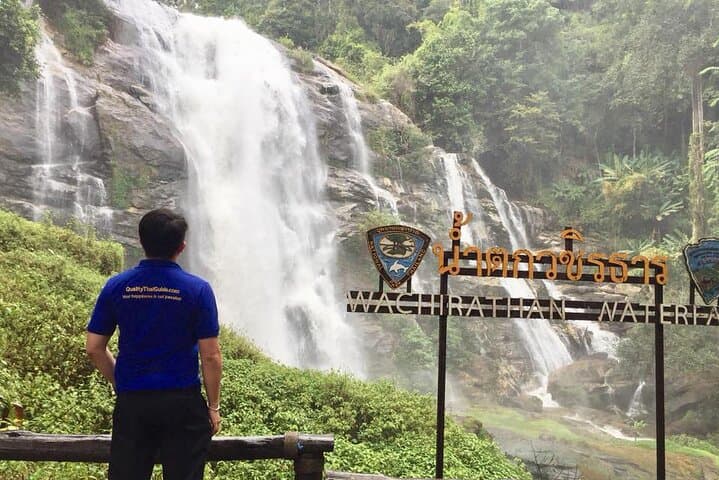
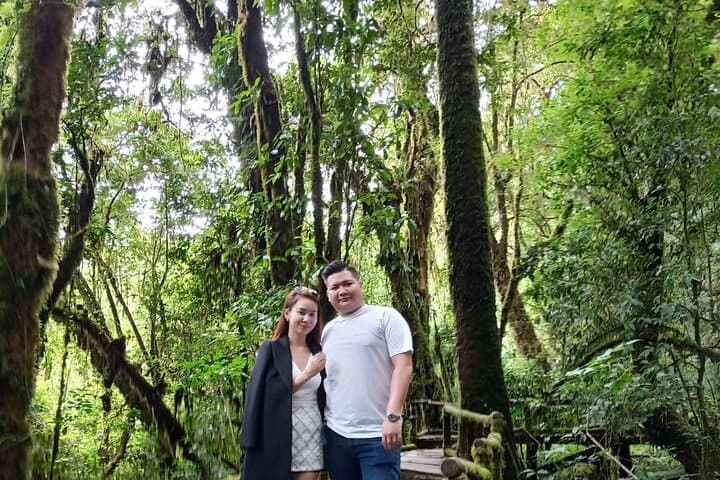
Northern Thailand wears its history openly: Lanna-era chedis and city walls in Chiang Mai, teak houses and hill-tribe villages around Doi Inthanon — Thailand’s highest point at 2,565 m — and modern devotional art in Chiang Rai by Chalermchai Kositpipat. Geology shifts from granitic highlands and cloud forest on the western escarpment to the sedimentary plains beside the Mekong; culture follows the slopes, from royal pagodas to riverside markets.
Practically: expect multiple short walks, several temple visits with modest elevation changes (Doi Inthanon approaches involve cooler temps and paved trails), and 3–4 hours of driving between major stops on the longer legs. Bring sun protection, light layers for cool mornings at altitude, modest clothing for temples, and comfortable shoes for uneven temple grounds and short nature walks. The private guide handles permits and admissions; travelers should carry small Thai baht for markets and tips. Early starts avoid heat and traffic and make the most of day two’s highland views.
moderate.
3 days.
Suitable for travelers in average shape who can handle multiple short walks and some stair climbing; long driving days require tolerance for seated travel.
This tour includes an English-speaking local guide; request specific language support at booking if needed.
Admissions and some park fees are typically included in the itinerary, but bring cash for any optional activities or local entrance charges not listed.
The tour involves stairs and short walks; it’s suitable for those with light mobility restrictions but not recommended for guests requiring full wheelchair access or with serious spinal conditions.
Yes—advise dietary requirements at booking so the guide and vendors can accommodate vegetarian, halal or allergy needs when possible.
Northern Thailand was once the Lanna Kingdom; Chiang Mai and hill temples reflect centuries of Lanna religious art while Chiang Rai hosts contemporary interpretations of Buddhist iconography.
Doi Inthanon and other parks use entrance fees for trail maintenance and forest protection—stick to marked paths, avoid feeding wildlife and minimize plastic waste.
Quality Thai Guide by Quality Experiences operates guided outdoor trips and adventures with an emphasis on safety, stewardship, and memorable experiences.
The morning begins on a shaded Chiang Mai street as a private, air-conditioned vehicle eases away from the city and climbs toward Doi Suthep — incense and prayer flags brushing past as the guide points out the gilded chedi above. Over three days the route alternates between temple courtyards, mist-worn highland roads and the bright, modern oddity of Chiang Rai’s White Temple; a boat on the Mekong cuts a slow line through the Golden Triangle where borders and histories meet the river.
The morning begins on a shaded Chiang Mai street as a private, air-conditioned vehicle eases away from the city and climbs toward Doi Suthep — incense and prayer flags brushing past as the guide points out the gilded chedi above. Over three days the route alternates between temple courtyards, mist-worn highland roads and the bright, modern oddity of Chiang Rai’s White Temple; a boat on the Mekong cuts a slow line through the Golden Triangle where borders and histories meet the river.
Northern Thailand wears its history openly: Lanna-era chedis and city walls in Chiang Mai, teak houses and hill-tribe villages around Doi Inthanon — Thailand’s highest point at 2,565 m — and modern devotional art in Chiang Rai by Chalermchai Kositpipat. Geology shifts from granitic highlands and cloud forest on the western escarpment to the sedimentary plains beside the Mekong; culture follows the slopes, from royal pagodas to riverside markets.
Practically: expect multiple short walks, several temple visits with modest elevation changes (Doi Inthanon approaches involve cooler temps and paved trails), and 3–4 hours of driving between major stops on the longer legs. Bring sun protection, light layers for cool mornings at altitude, modest clothing for temples, and comfortable shoes for uneven temple grounds and short nature walks. The private guide handles permits and admissions; travelers should carry small Thai baht for markets and tips. Early starts avoid heat and traffic and make the most of day two’s highland views.