THE ADVENTURE COLLECTIVE® · Independent discovery and booking for outdoor travel

Skip trains and taxis: a private chauffeur meets you at Kansai International Airport and delivers you to Osaka city center in comfort. Read on for timing, luggage limits, child-seat rules and practical tips to make the transfer seamless.
Skip trains and taxis: a private chauffeur meets you at Kansai International Airport and delivers you to Osaka city center in comfort. Read on for timing, luggage limits, child-seat rules and practical tips to make the transfer seamless.
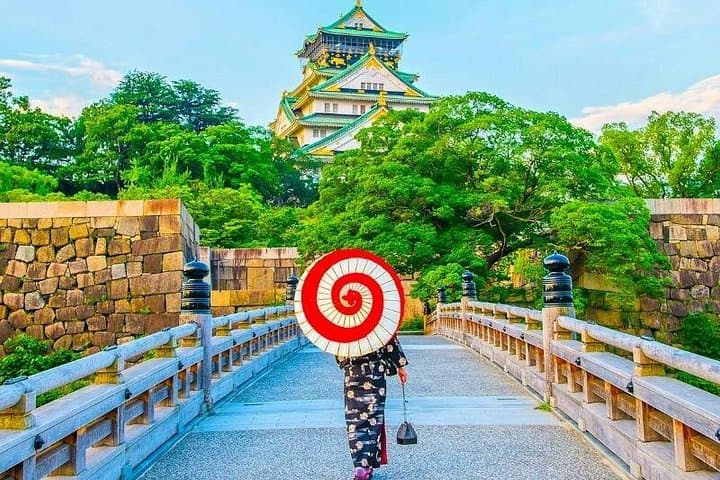
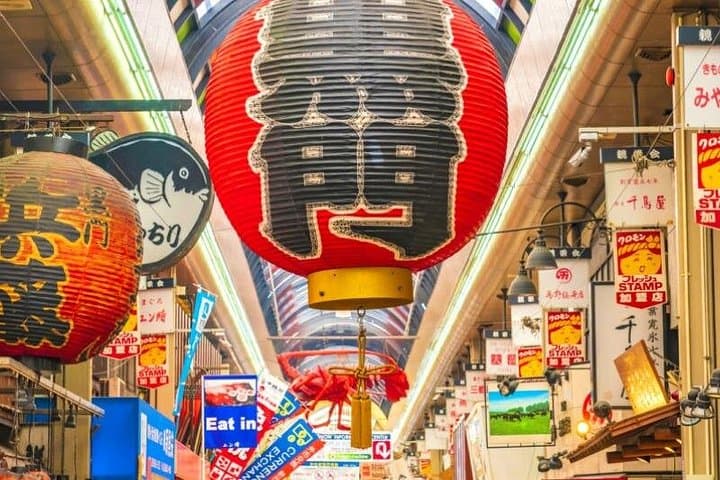
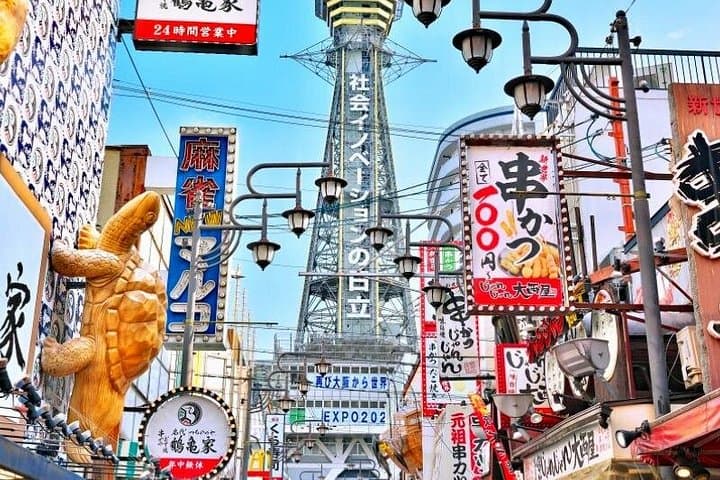
You step onto the polished concourse of Kansai International Airport, the sea hissing against the island’s breakwaters, and a driver in a neat uniform holds a tablet with your name. The car’s A/C hums; luggage is minded for you. The ride to central Osaka moves from reclaimed airport causeways into a web of bridges and expressways, the city’s low-rise blocks giving way to neon towers as you approach.
Verified experiences and guided adventures in the surrounding area.
Operated by Happy Cat Travel · Osaka, Osaka Prefecture
You step onto the polished concourse of Kansai International Airport, the sea hissing against the island’s breakwaters, and a driver in a neat uniform holds a tablet with your name. The car’s A/C hums; luggage is minded for you. The ride to central Osaka moves from reclaimed airport causeways into a web of bridges and expressways, the city’s low-rise blocks giving way to neon towers as you approach.
Kansai Airport opened in 1994 on an engineered island to relieve overcrowded urban airports; its concrete spine still looks modern against the Inland Sea. Geologically, the route skirts reclaimed land and coastal plain, a practical corridor connecting Osaka’s commercial heart to international flights. Culturally, the transfer is as much about timing and precision as it is about comfort — punctual, discreet, and efficient travel reflects Kansai’s practical side.
Expect a private sedan or larger vehicle depending on booking; vehicles are air-conditioned and insured, with intercity highway and parking fees included. Drivers monitor flights and will wait at the designated airport exit; standard operating window is 06:00–22:00. Note the 90-minute free waiting time for arrivals (20 minutes for drop-offs) and overtime surcharges for extended waits.
Practical guidance: confirm passenger and luggage counts at booking, specify child seats in advance, and keep documents and contact info handy. Eating in the vehicle is typically prohibited and passengers are responsible for excessive mess. For a smooth handoff, aim to clear immigration and baggage within the free waiting window or notify the operator of delays — the service is designed to remove last-minute stress so you can start or end your Japan visit calmly.
easy.
1–1.5 hours (approx).
Requires no special fitness; suitable for most travelers who can board a standard vehicle
The driver waits at the designated airport exit or arrival hall with a name sign; exact meeting point will be confirmed in your booking instructions.
Drivers track flights and standard pickup includes 90 minutes of free waiting for arrivals; notify the operator of long delays to avoid overtime fees.
Yes — indicate number of child seats when booking; additional seats beyond the first may incur extra charges per the service terms.
Capacity varies by vehicle model; provide accurate luggage counts and dimensions at booking to ensure an appropriate vehicle is assigned.
Kansai International Airport was constructed on an artificial island and opened in 1994 to serve Osaka and the broader Kansai region, a major engineering project that reshaped local transport links.
The airport and surrounding coastal zones are sensitive to reclamation impacts; choose licensed transfers and minimize waste to reduce local traffic and environmental pressure.
Happy Cat Travel operates guided outdoor trips and adventures with an emphasis on safety, stewardship, and memorable experiences.
You step onto the polished concourse of Kansai International Airport, the sea hissing against the island’s breakwaters, and a driver in a neat uniform holds a tablet with your name. The car’s A/C hums; luggage is minded for you. The ride to central Osaka moves from reclaimed airport causeways into a web of bridges and expressways, the city’s low-rise blocks giving way to neon towers as you approach.
You step onto the polished concourse of Kansai International Airport, the sea hissing against the island’s breakwaters, and a driver in a neat uniform holds a tablet with your name. The car’s A/C hums; luggage is minded for you. The ride to central Osaka moves from reclaimed airport causeways into a web of bridges and expressways, the city’s low-rise blocks giving way to neon towers as you approach.
Kansai Airport opened in 1994 on an engineered island to relieve overcrowded urban airports; its concrete spine still looks modern against the Inland Sea. Geologically, the route skirts reclaimed land and coastal plain, a practical corridor connecting Osaka’s commercial heart to international flights. Culturally, the transfer is as much about timing and precision as it is about comfort — punctual, discreet, and efficient travel reflects Kansai’s practical side.
Expect a private sedan or larger vehicle depending on booking; vehicles are air-conditioned and insured, with intercity highway and parking fees included. Drivers monitor flights and will wait at the designated airport exit; standard operating window is 06:00–22:00. Note the 90-minute free waiting time for arrivals (20 minutes for drop-offs) and overtime surcharges for extended waits.
Practical guidance: confirm passenger and luggage counts at booking, specify child seats in advance, and keep documents and contact info handy. Eating in the vehicle is typically prohibited and passengers are responsible for excessive mess. For a smooth handoff, aim to clear immigration and baggage within the free waiting window or notify the operator of delays — the service is designed to remove last-minute stress so you can start or end your Japan visit calmly.