THE ADVENTURE COLLECTIVE® · Independent discovery and booking for outdoor travel

Skip the traffic and see the Taj Mahal from the air on a private helicopter or charter flight. This luxe day trip pairs a bird’s-eye arrival with guided on-site exploration of the Taj and Agra Fort in under a day.
Skip the traffic and see the Taj Mahal from the air on a private helicopter or charter flight. This luxe day trip pairs a bird’s-eye arrival with guided on-site exploration of the Taj and Agra Fort in under a day.
The engine hum settles as Delhi drops away and the Yamuna unfurls beneath you, a silver ribbon daring you toward a monument that has held travelers for four centuries.
Verified experiences and guided adventures in the surrounding area.
Operated by Tours Kamal Aviation · Agra, Uttar Pradesh
The engine hum settles as Delhi drops away and the Yamuna unfurls beneath you, a silver ribbon daring you toward a monument that has held travelers for four centuries.
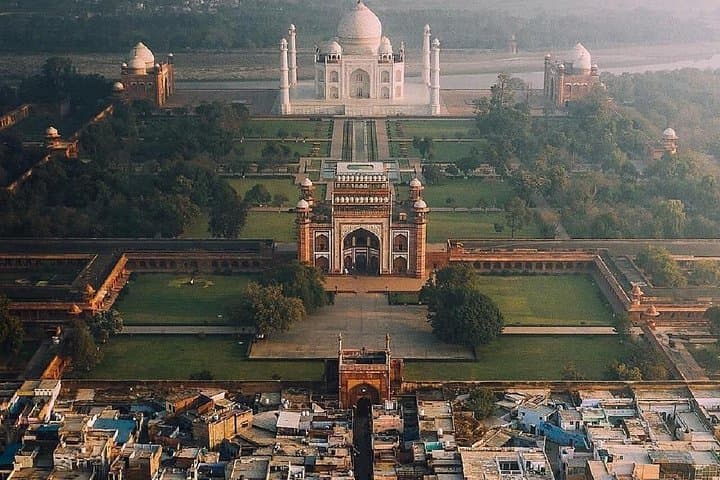
Touching down near Agra feels immediate: white marble glinting against the flat Indo-Gangetic plain, the Taj Mahal rising like a deliberate gesture across manicured gardens. This private air transfer pairs aerial perspective with ground-side access — a short flight that trades road traffic for time and a rare bird’s-eye view of Mughal geometry.
Historically, the Taj was completed in 1653 by artisans from across Asia, set on alluvial soil of the Yamuna floodplain and carved from Makrana marble. Nearby Agra Fort, begun under Akbar in the 1560s and modified by Shah Jahan, offers red-sandstone contrast and strategic views over the river. The area’s culture is defined by Mughal-era craft — pietra dura inlay, carpet weaving and rich Awadhi cuisine — all framed by the pragmatic rhythms of modern Agra.
Practical guidance: plan for an 8–10 hour day; most operators include chauffeur transfers, a private guide, and a hotel lunch. Security at the Taj restricts large bags and tripods; carry government ID and, for air travel, passport details as required. Wear comfortable shoes for uneven fort floors and staircases, and bring sun protection — Agra’s plains offer little shade. Morning light and clear skies deliver the best aerial photos; monsoon months can reduce visibility and ground comfort.
This experience is less about endurance and more about logistics: timing, documentation, and making the most of a compact, high-impact cultural day trip.
easy.
8–10 hours.
Minimal fitness required; involves short to moderate walking, stairs and standing during guided visits.
Expect an 8–10 hour door-to-door day, including transfers, flight time, guided visits and a hotel lunch.
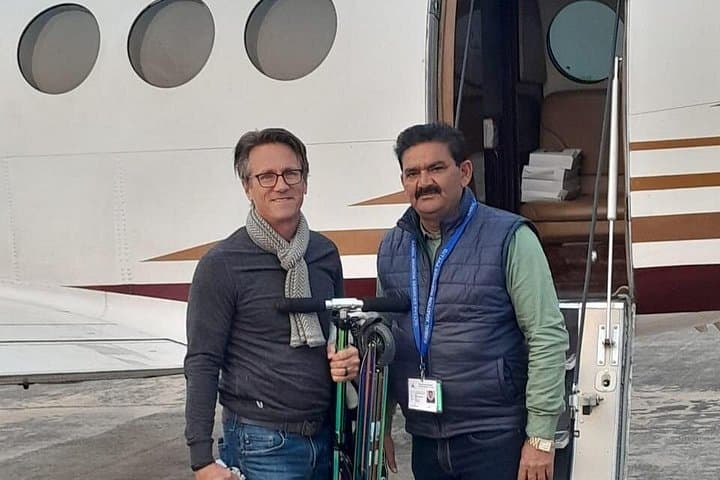
Operators offer helicopter or small charter planes depending on availability; final aircraft type is confirmed at booking or shortly before departure.
Yes — aerial views are permitted, but follow crew instructions and respect no-fly zones; use a fast shutter and stabilized grip for clear shots.
Many operators provide wheelchair-accessible transfers and assistance, but some monument areas have steps; notify providers in advance to arrange support.
The Taj Mahal was commissioned by Shah Jahan in the 17th century as a mausoleum for Mumtaz Mahal; Agra Fort predates it and illustrates Mughal military and decorative evolution.
Visitor numbers and pollution are monitored to protect the marble; follow local rules on permitted items and stay on designated paths to limit wear.
Tours Kamal Aviation operates guided outdoor trips and adventures with an emphasis on safety, stewardship, and memorable experiences.
The engine hum settles as Delhi drops away and the Yamuna unfurls beneath you, a silver ribbon daring you toward a monument that has held travelers for four centuries.
The engine hum settles as Delhi drops away and the Yamuna unfurls beneath you, a silver ribbon daring you toward a monument that has held travelers for four centuries.
Touching down near Agra feels immediate: white marble glinting against the flat Indo-Gangetic plain, the Taj Mahal rising like a deliberate gesture across manicured gardens. This private air transfer pairs aerial perspective with ground-side access — a short flight that trades road traffic for time and a rare bird’s-eye view of Mughal geometry.
Historically, the Taj was completed in 1653 by artisans from across Asia, set on alluvial soil of the Yamuna floodplain and carved from Makrana marble. Nearby Agra Fort, begun under Akbar in the 1560s and modified by Shah Jahan, offers red-sandstone contrast and strategic views over the river. The area’s culture is defined by Mughal-era craft — pietra dura inlay, carpet weaving and rich Awadhi cuisine — all framed by the pragmatic rhythms of modern Agra.
Practical guidance: plan for an 8–10 hour day; most operators include chauffeur transfers, a private guide, and a hotel lunch. Security at the Taj restricts large bags and tripods; carry government ID and, for air travel, passport details as required. Wear comfortable shoes for uneven fort floors and staircases, and bring sun protection — Agra’s plains offer little shade. Morning light and clear skies deliver the best aerial photos; monsoon months can reduce visibility and ground comfort.
This experience is less about endurance and more about logistics: timing, documentation, and making the most of a compact, high-impact cultural day trip.