THE ADVENTURE COLLECTIVE® · Independent discovery and booking for outdoor travel

Walk the streets that made Dickens: a private three-hour tour through the courts, pubs and houses that inspired his fiction and his reforming eye. Expect intimate narration, tangible history and practical pacing for urban walkers.
Walk the streets that made Dickens: a private three-hour tour through the courts, pubs and houses that inspired his fiction and his reforming eye. Expect intimate narration, tangible history and practical pacing for urban walkers.
Cobblestones slick with a recent rain reflect gaslight and headlights as the group steps off a quieter Bloomsbury lane and into the world that shaped Dickens.
Verified experiences and guided adventures in the surrounding area.
Operated by Ye Olde England Tours · London, England
Cobblestones slick with a recent rain reflect gaslight and headlights as the group steps off a quieter Bloomsbury lane and into the world that shaped Dickens.
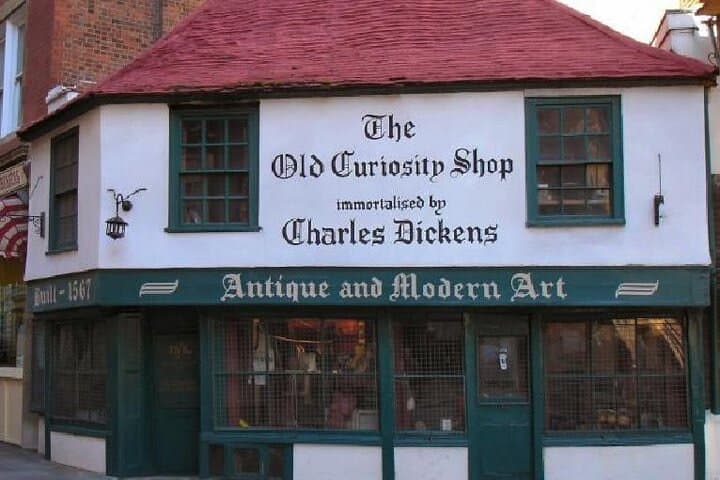
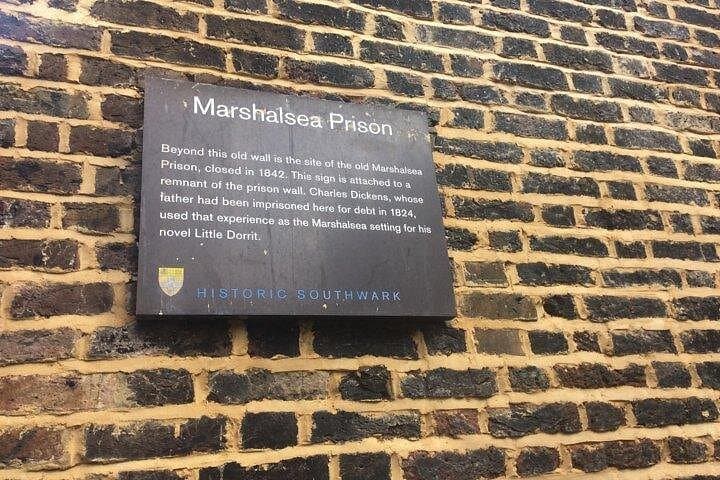
This private, three-hour walking tour follows the routes Charles Dickens walked, visiting debtors' prisons, taverns, back alleys and his preserved house at Doughty Street. Participants encounter the gritty urban fabric that informed novels like Oliver Twist, Little Dorrit and Bleak House: narrow courts once choked by poverty, market streets where pickpockets worked, and the legal districts that supplied characters and plot.
London’s layered history is visible here — Georgian terraces giving way to Victorian reform, and sites that recall social campaigns against debt and child labor. Geology and infrastructure are present too: through incursions of the old River Fleet and the raised terraces around Covent Garden, the city’s terrain directed routes and industries that Dickens observed.
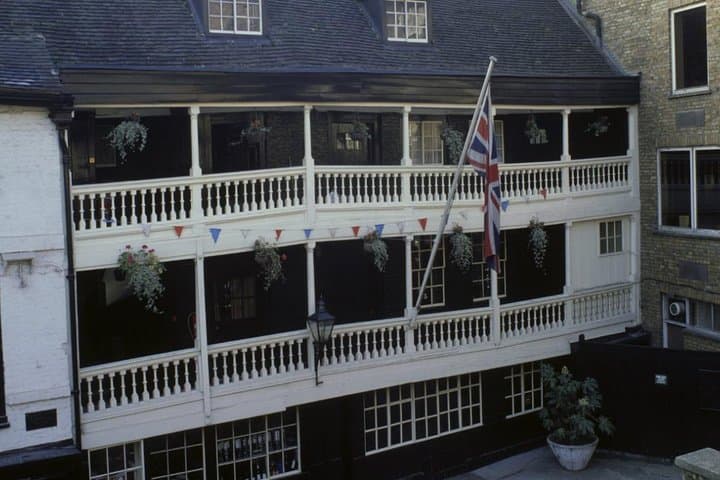
Culturally, the tour balances literary biography with social context; guides point out pubs Dickens frequented, the theatre districts that inspired scenes, and lesser-known gardens created by Victorian reformers. The experience is immersive yet paced — expect urban walking on mostly flat pavement with occasional steps.
Practical guidance: wear supportive shoes, bring a compact rain layer and an Oyster or contactless card if you plan to return by Tube. Tours are private and wheelchair accessible in many areas, but some historic alleys and courtyards have restricted access; check with the operator about starting points and hotel pickup. Aim for a late-morning start to avoid rush hour and enjoy clearer streets for photography and close listening.
moderate.
3 hours.
Suitable for people who can walk steadily for 3 hours on pavement with short stops; light stamina recommended
Many parts of the tour are wheelchair accessible and transportation options can be arranged, but some historic alleys and steps may be restricted; confirm details with the operator when booking.
Start points vary; hotel pickup can be included—booking asks for pickup point information so you can confirm the meeting arrangement in advance.
Yes; the tour is family-friendly and stroller accessible in most areas, though younger children should be comfortable with extended walking and occasional tight streets.
For a full refund cancel at least 24 hours before the scheduled departure; cancellations within 24 hours are not refundable.
Charles Dickens walked these streets in the early-to-mid 19th century; his observations of poverty, justice and urban life shaped novels and social debates of the Victorian era.
Foot traffic and tourism affect fragile historic streets—stay on pavements, avoid touching fragile façades, and support local conservation by visiting associated museums and shops.
Ye Olde England Tours operates guided outdoor trips and adventures with an emphasis on safety, stewardship, and memorable experiences.
Cobblestones slick with a recent rain reflect gaslight and headlights as the group steps off a quieter Bloomsbury lane and into the world that shaped Dickens.
Cobblestones slick with a recent rain reflect gaslight and headlights as the group steps off a quieter Bloomsbury lane and into the world that shaped Dickens.
This private, three-hour walking tour follows the routes Charles Dickens walked, visiting debtors' prisons, taverns, back alleys and his preserved house at Doughty Street. Participants encounter the gritty urban fabric that informed novels like Oliver Twist, Little Dorrit and Bleak House: narrow courts once choked by poverty, market streets where pickpockets worked, and the legal districts that supplied characters and plot.
London’s layered history is visible here — Georgian terraces giving way to Victorian reform, and sites that recall social campaigns against debt and child labor. Geology and infrastructure are present too: through incursions of the old River Fleet and the raised terraces around Covent Garden, the city’s terrain directed routes and industries that Dickens observed.
Culturally, the tour balances literary biography with social context; guides point out pubs Dickens frequented, the theatre districts that inspired scenes, and lesser-known gardens created by Victorian reformers. The experience is immersive yet paced — expect urban walking on mostly flat pavement with occasional steps.
Practical guidance: wear supportive shoes, bring a compact rain layer and an Oyster or contactless card if you plan to return by Tube. Tours are private and wheelchair accessible in many areas, but some historic alleys and courtyards have restricted access; check with the operator about starting points and hotel pickup. Aim for a late-morning start to avoid rush hour and enjoy clearer streets for photography and close listening.