THE ADVENTURE COLLECTIVE® · Independent discovery and booking for outdoor travel

Spend a day trading Parisian boulevards for chalky vineyard slopes on a private 10-hour transfer to Épernay and Reims. Visit famed houses, explore vaulted cellars and learn the methods that created champagne’s global reputation.
Spend a day trading Parisian boulevards for chalky vineyard slopes on a private 10-hour transfer to Épernay and Reims. Visit famed houses, explore vaulted cellars and learn the methods that created champagne’s global reputation.
You step out of Paris traffic onto a tree-lined route and the landscape changes: rows of vines angle across chalky slopes, the air sharpening with a faint yeasty sweetness. The driver eases you into the Champagne plain and suddenly the day has a slow, deliberate rhythm—cellars below ground, facades above that wear history like a work jacket.
Verified experiences and guided adventures in the surrounding area.
Operated by Marcel Tours · Épernay, Marne
You step out of Paris traffic onto a tree-lined route and the landscape changes: rows of vines angle across chalky slopes, the air sharpening with a faint yeasty sweetness. The driver eases you into the Champagne plain and suddenly the day has a slow, deliberate rhythm—cellars below ground, facades above that wear history like a work jacket.
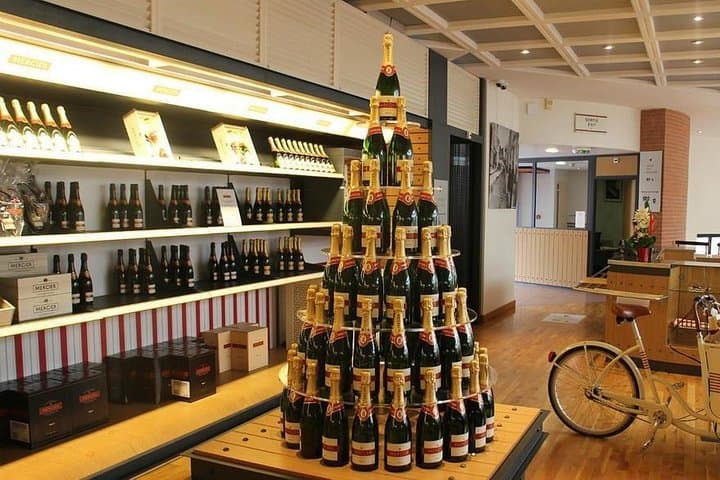
The region’s modern champagne industry crystallized in the 18th century; families and houses such as Moët, Mercier and Veuve Clicquot engineered techniques that shaped global taste. Geologically, the vineyards sit on chalk and limestone—porous soils that keep vines cool and give the bubbles their lift. Architecturally, Pommery’s pressing house and the vaulted cellars of Mercier map both industrial ambition and regional identity.
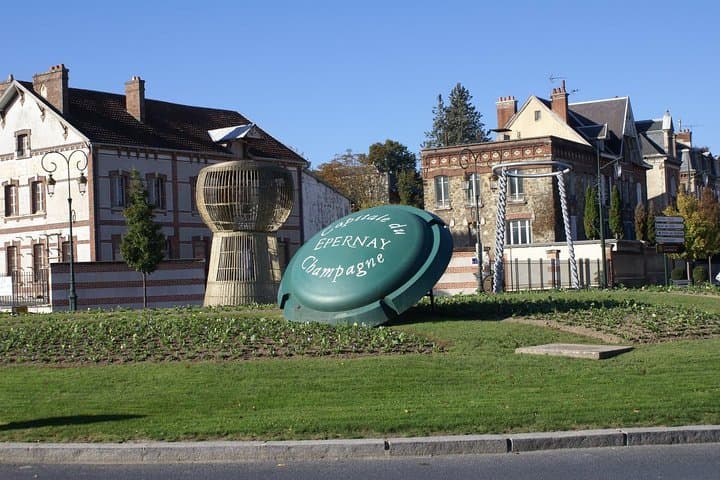
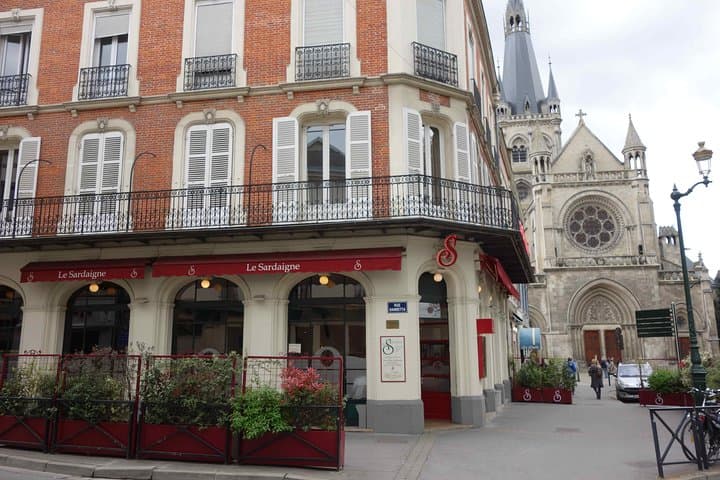
Culturally, champagne is woven into local festivals, harvest work and the closely guarded cadence of cellar aging. Small towns like Aÿ and Épernay reward a slower pace—park, listen to the vineyard wind, and follow quiet alleys to tasting rooms where staff speak as much about méthode champenoise as terroir.
Practical guidance: this private transfer runs about ten hours with hotel pickup in Paris; tasting fees and guided cellar entries are extra. Expect limited walking down steps into cellars and cobbled streets; wear stable shoes and layers for cool underground temperatures. Bring a camera, a daypack for purchases, and confirm pickup details the day before. If you want specific houses—Moët, Mercier, Veuve Clicquot—book tastings in advance; slots fill, especially at peak season.
easy.
10 hours.
Minimal fitness required—mostly short walks on cobbles and stairs into cellars; suitable for most travelers
No—entrance tickets and tastings at the champagne houses are not included and can be arranged for an extra fee; reserve in advance to secure spots.
This is a round transfer with hotel pickup and drop-off in Paris; confirm your exact pickup location when booking.
Yes—infant seats are available on request, but tastings are for adults; confirm seating and child policies with the operator.
Expect short walks on cobbles and steps into cellars—typically limited but not fully accessible for those needing step-free access; check ahead if mobility is a concern.
Champagne’s industrial-scale reputation grew in the 18th–19th centuries as houses like Moët and Mercier expanded production and technique; Madame Clicquot pioneered riddling in the early 19th century.
The region is a UNESCO World Heritage site; visitors should respect vineyard boundaries, minimize waste and follow cellar rules to protect fragile landscape and underground spaces.
Marcel Tours operates guided outdoor trips and adventures with an emphasis on safety, stewardship, and memorable experiences.
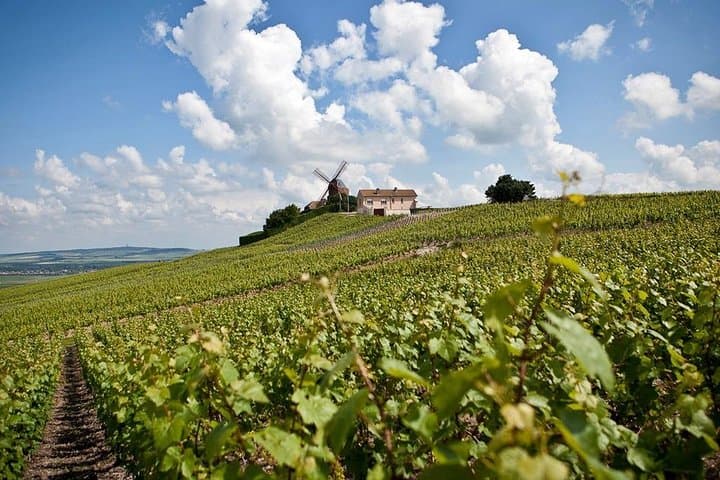
You step out of Paris traffic onto a tree-lined route and the landscape changes: rows of vines angle across chalky slopes, the air sharpening with a faint yeasty sweetness. The driver eases you into the Champagne plain and suddenly the day has a slow, deliberate rhythm—cellars below ground, facades above that wear history like a work jacket.
You step out of Paris traffic onto a tree-lined route and the landscape changes: rows of vines angle across chalky slopes, the air sharpening with a faint yeasty sweetness. The driver eases you into the Champagne plain and suddenly the day has a slow, deliberate rhythm—cellars below ground, facades above that wear history like a work jacket.
The region’s modern champagne industry crystallized in the 18th century; families and houses such as Moët, Mercier and Veuve Clicquot engineered techniques that shaped global taste. Geologically, the vineyards sit on chalk and limestone—porous soils that keep vines cool and give the bubbles their lift. Architecturally, Pommery’s pressing house and the vaulted cellars of Mercier map both industrial ambition and regional identity.
Culturally, champagne is woven into local festivals, harvest work and the closely guarded cadence of cellar aging. Small towns like Aÿ and Épernay reward a slower pace—park, listen to the vineyard wind, and follow quiet alleys to tasting rooms where staff speak as much about méthode champenoise as terroir.
Practical guidance: this private transfer runs about ten hours with hotel pickup in Paris; tasting fees and guided cellar entries are extra. Expect limited walking down steps into cellars and cobbled streets; wear stable shoes and layers for cool underground temperatures. Bring a camera, a daypack for purchases, and confirm pickup details the day before. If you want specific houses—Moët, Mercier, Veuve Clicquot—book tastings in advance; slots fill, especially at peak season.