THE ADVENTURE COLLECTIVE® · Independent discovery and booking for outdoor travel

Leave Paris for a private half-day drive into Champagne to tour Mumm’s UNESCO-listed cellars and visit Reims Cathedral. This concise tour mixes geology, history and tasting with hotel pickup and return.
Leave Paris for a private half-day drive into Champagne to tour Mumm’s UNESCO-listed cellars and visit Reims Cathedral. This concise tour mixes geology, history and tasting with hotel pickup and return.
A morning fog lifts over the A4 as the countryside gives way to low, orderly ranks of vines. The road to Reims carries you through soft limestone slopes that have shaped Champagne’s bubbles for centuries; by midmorning you’re stepping into the cool shadow of G.H. Mumm’s cellars where corks, chalk and history converge.
Verified experiences and guided adventures in the surrounding area.
Operated by Galaxytour · Reims, Grand Est
A morning fog lifts over the A4 as the countryside gives way to low, orderly ranks of vines. The road to Reims carries you through soft limestone slopes that have shaped Champagne’s bubbles for centuries; by midmorning you’re stepping into the cool shadow of G.H. Mumm’s cellars where corks, chalk and history converge.
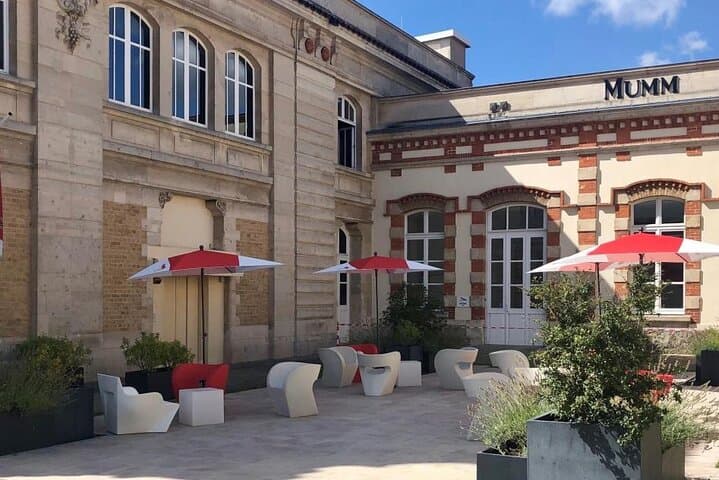
Mumm’s UNESCO-listed cellars are carved into the chalk subsoil — a geological pantry that keeps temperatures steady and lends Champagne its age-worthy character. The house, founded in 1827 and famous for the red Cordon Rouge, pairs industrial-scale production with artisan techniques; a guided cellar tour explains riddling, disgorgement and the patience behind each cuvée.
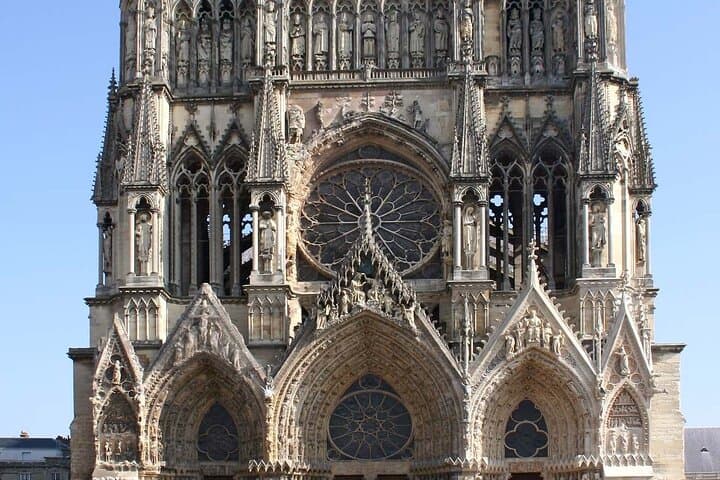
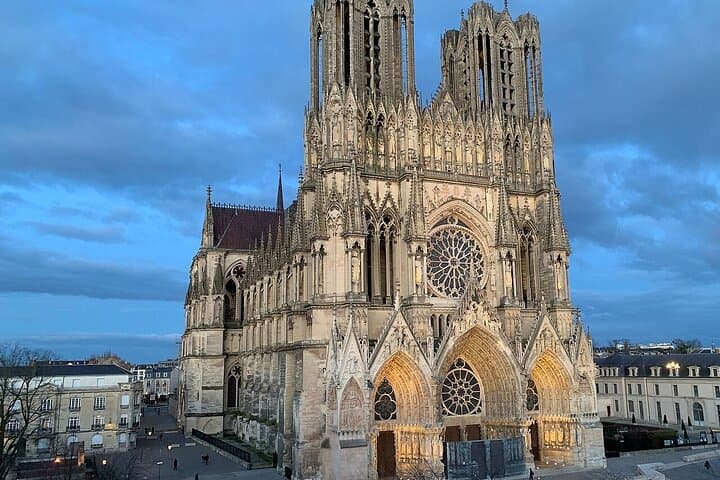
Across town, Reims Cathedral looms as a Gothic ledger of French monarchy and stonework, the place where kings were anointed and history was read aloud in stained glass.
Practically, this private half-day tour is a tightly paced loop: about 140 km each way from Paris, roughly 7–9 hours total including transfers, a 90-minute cellar tour and a short stop at the cathedral before lunch. Cellars stay cool and damp — bring a light layer and closed shoes with good grip. Expect mostly flat walking inside towns and stairs within cellars. Bookings can be limited; champagne houses control visitor numbers, so reserve early for peak weekends.
Timing your visit for late morning gives better light on façades and roomier tastings. Sip deliberately: sparkling wine is as much about temperature and glassware as terroir. Leave with practical souvenirs — a bottle sealed for travel and a clearer understanding of why Champagne’s bubbles still command the world.
easy.
7–9 hours.
Suitable for most fitness levels; involves short walks, standing during tours and climbing cellar steps.
The drive is about 140 km each way and typically takes around 2–2.5 hours depending on traffic.
Yes — the tour includes a guided visit of Mumm’s cellars and a tasting as part of the experience.
Children are allowed but cellars contain stairs and limited space; infant seats are available in the vehicle on request.
Operators will notify you and offer alternative champagne houses of comparable quality if your preferred visit is unavailable.
Reims has been the coronation site for French kings for over a millennium; its cathedral is a focal point of Gothic architecture and national history.
The Champagne region relies on careful vineyard management; visitors are encouraged to stay on roads and paths, avoid trampling vines, and support producers who use sustainable viticulture practices.
Galaxytour operates guided outdoor trips and adventures with an emphasis on safety, stewardship, and memorable experiences.
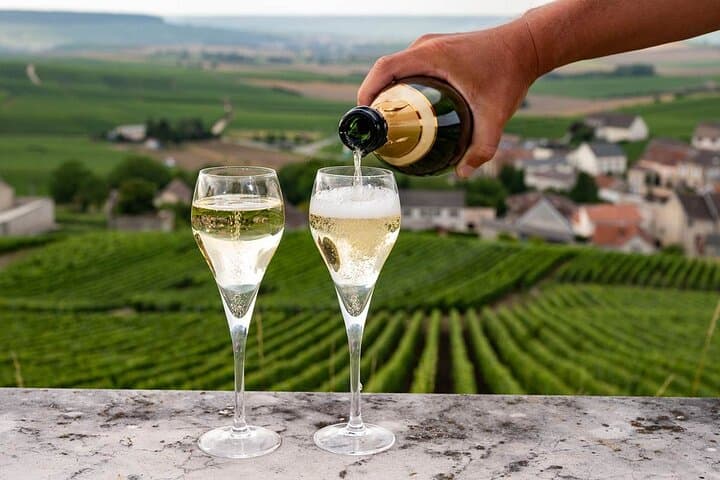
A morning fog lifts over the A4 as the countryside gives way to low, orderly ranks of vines. The road to Reims carries you through soft limestone slopes that have shaped Champagne’s bubbles for centuries; by midmorning you’re stepping into the cool shadow of G.H. Mumm’s cellars where corks, chalk and history converge.
A morning fog lifts over the A4 as the countryside gives way to low, orderly ranks of vines. The road to Reims carries you through soft limestone slopes that have shaped Champagne’s bubbles for centuries; by midmorning you’re stepping into the cool shadow of G.H. Mumm’s cellars where corks, chalk and history converge.
Mumm’s UNESCO-listed cellars are carved into the chalk subsoil — a geological pantry that keeps temperatures steady and lends Champagne its age-worthy character. The house, founded in 1827 and famous for the red Cordon Rouge, pairs industrial-scale production with artisan techniques; a guided cellar tour explains riddling, disgorgement and the patience behind each cuvée.
Across town, Reims Cathedral looms as a Gothic ledger of French monarchy and stonework, the place where kings were anointed and history was read aloud in stained glass.
Practically, this private half-day tour is a tightly paced loop: about 140 km each way from Paris, roughly 7–9 hours total including transfers, a 90-minute cellar tour and a short stop at the cathedral before lunch. Cellars stay cool and damp — bring a light layer and closed shoes with good grip. Expect mostly flat walking inside towns and stairs within cellars. Bookings can be limited; champagne houses control visitor numbers, so reserve early for peak weekends.
Timing your visit for late morning gives better light on façades and roomier tastings. Sip deliberately: sparkling wine is as much about temperature and glassware as terroir. Leave with practical souvenirs — a bottle sealed for travel and a clearer understanding of why Champagne’s bubbles still command the world.