THE ADVENTURE COLLECTIVE® · Independent discovery and booking for outdoor travel

A private day trip from Paris that pairs two of Champagne’s great houses with a riverside lunch, a historic village viewpoint and Reims Cathedral. Perfect for first-time Champagne visitors who want cellar access without the logistics.
A private day trip from Paris that pairs two of Champagne’s great houses with a riverside lunch, a historic village viewpoint and Reims Cathedral. Perfect for first-time Champagne visitors who want cellar access without the logistics.
You leave Paris before dawn, settling into a Mercedes as the city lights give way to low, rolling vineyards. The Marne threads alongside the road, daring you to slow down and look: ribbons of vines, hedgerows, and the pale scars of chalk cliffs that store the cool air beneath the cellars.
Verified experiences and guided adventures in the surrounding area.
Operated by Clewel Travel · Épernay, Grand Est
You leave Paris before dawn, settling into a Mercedes as the city lights give way to low, rolling vineyards. The Marne threads alongside the road, daring you to slow down and look: ribbons of vines, hedgerows, and the pale scars of chalk cliffs that store the cool air beneath the cellars.
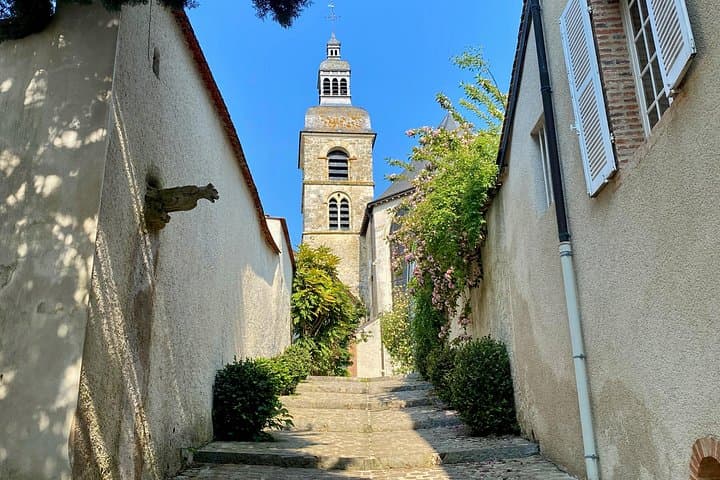
This full-day private tour threads history and geology into a single loop. Épernay’s grand maisons sit atop miles of chalk — the same Champagne chalk that keeps cellars at near-constant temperature. Hautvillers still wears the mark of Dom Pérignon, whose 17th‑century experiments helped shape modern méthode champenoise. Reims Cathedral offers a cultural counterpoint: Gothic stone where kings were crowned and craftsmen left centuries of glass and sculpture.
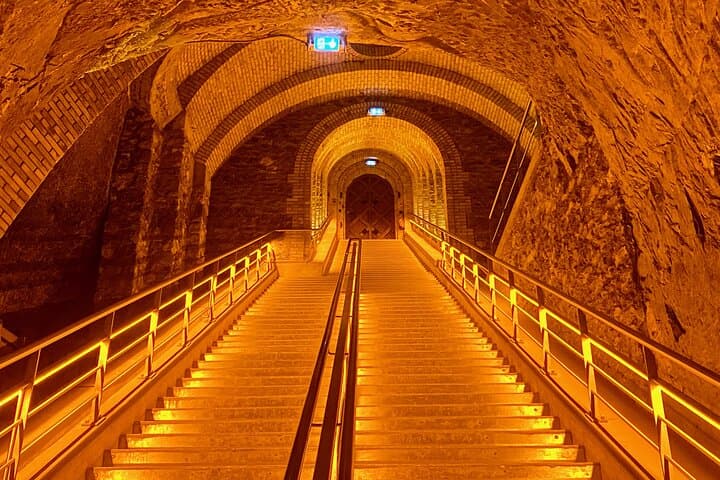
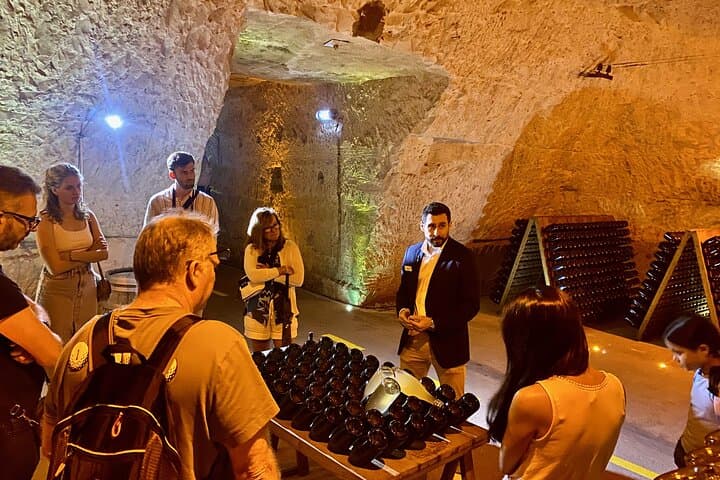
Expect two guided cellar visits with tastings (Moët and Veuve Clicquot), a riverside lunch stop in Épernay, a short walk in Hautvillers to a panoramic vineyard viewpoint, and time to move through Reims’ cathedral. Cellar tours involve narrow corridors, low light and stairs; tastings are structured and hosted by house staff. Drivers handle navigation and timing — live guides must be pre-booked if you want in-depth commentary.
Practical tips: bring photo ID for tastings, wear sturdy shoes for cobbled streets and cellar steps, and plan for a long day (about 12–13 hours). Reserve a restaurant in advance if you want a sit-down meal. If you’re choosing between tasting options, pick the comparative tasting at Veuve Clicquot for a broader sense of aging and style.
easy.
12–13 hours.
Low fitness required; expect short walks, standing during tastings, and stairs in cellars and cathedral.
Yes — the legal drinking age in France is 18; children can join tours but cannot consume alcohol.
Yes — hotel pickup in Paris is included; you’ll confirm your pickup point at booking.
The tour runs about 12–13 hours, including round-trip transfer time from Paris and all visits.
Yes — both Moët and Veuve Clicquot offer tiered experiences; select your preferred option when booking.
The Champagne region’s chalk subsoil and innovations by figures like Dom Pérignon created the conditions and methods that define Champagne today; Reims Cathedral served as the coronation site for French kings.
Many producers practice sustainable viticulture and efforts to reduce vineyard erosion; respect marked vines and pack out waste to minimize tourism impact.
Clewel Travel operates guided outdoor trips and adventures with an emphasis on safety, stewardship, and memorable experiences.
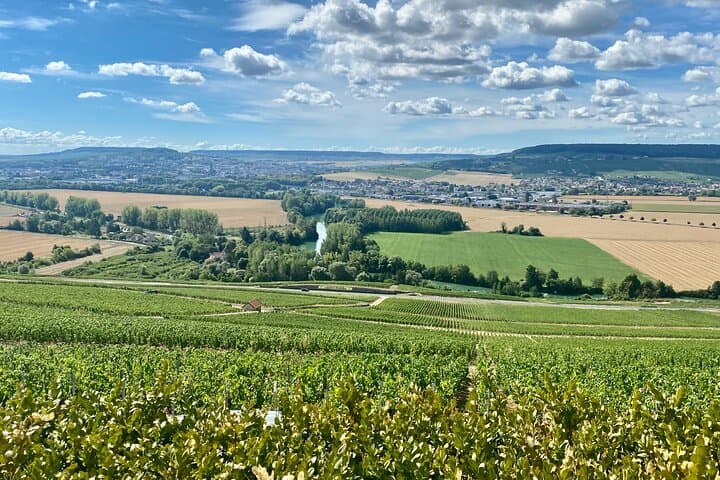
You leave Paris before dawn, settling into a Mercedes as the city lights give way to low, rolling vineyards. The Marne threads alongside the road, daring you to slow down and look: ribbons of vines, hedgerows, and the pale scars of chalk cliffs that store the cool air beneath the cellars.
You leave Paris before dawn, settling into a Mercedes as the city lights give way to low, rolling vineyards. The Marne threads alongside the road, daring you to slow down and look: ribbons of vines, hedgerows, and the pale scars of chalk cliffs that store the cool air beneath the cellars.
This full-day private tour threads history and geology into a single loop. Épernay’s grand maisons sit atop miles of chalk — the same Champagne chalk that keeps cellars at near-constant temperature. Hautvillers still wears the mark of Dom Pérignon, whose 17th‑century experiments helped shape modern méthode champenoise. Reims Cathedral offers a cultural counterpoint: Gothic stone where kings were crowned and craftsmen left centuries of glass and sculpture.
Expect two guided cellar visits with tastings (Moët and Veuve Clicquot), a riverside lunch stop in Épernay, a short walk in Hautvillers to a panoramic vineyard viewpoint, and time to move through Reims’ cathedral. Cellar tours involve narrow corridors, low light and stairs; tastings are structured and hosted by house staff. Drivers handle navigation and timing — live guides must be pre-booked if you want in-depth commentary.
Practical tips: bring photo ID for tastings, wear sturdy shoes for cobbled streets and cellar steps, and plan for a long day (about 12–13 hours). Reserve a restaurant in advance if you want a sit-down meal. If you’re choosing between tasting options, pick the comparative tasting at Veuve Clicquot for a broader sense of aging and style.