THE ADVENTURE COLLECTIVE® · Independent discovery and booking for outdoor travel

Spend a private day moving between Chamonix village, the Aiguille du Midi cable car and the Mer de Glace train. This guided loop combines dramatic alpine viewpoints with accessible village culture—ideal for first-time visitors who want high-altitude impact without technical climbing.
Spend a private day moving between Chamonix village, the Aiguille du Midi cable car and the Mer de Glace train. This guided loop combines dramatic alpine viewpoints with accessible village culture—ideal for first-time visitors who want high-altitude impact without technical climbing.
The morning air in Chamonix tastes like cold metal and possibility as the road descends into the valley and Mont Blanc looms above—sharp ridges of rock and a cap of ice that dares you to look higher. On a private sightseeing day you step from town into a moving panorama: a short village walk through cobbled streets, a cable car ascent to Aiguille du Midi for dizzying faces of the massif, and a classic rack-rail ride to Montenvers to peer into the Mer de Glace.
Verified experiences and guided adventures in the surrounding area.
Operated by Swisstours Transport · Chamonix, Auvergne-Rhône-Alpes
The morning air in Chamonix tastes like cold metal and possibility as the road descends into the valley and Mont Blanc looms above—sharp ridges of rock and a cap of ice that dares you to look higher. On a private sightseeing day you step from town into a moving panorama: a short village walk through cobbled streets, a cable car ascent to Aiguille du Midi for dizzying faces of the massif, and a classic rack-rail ride to Montenvers to peer into the Mer de Glace.
Chamonix’s rise began in 1741 when English visitors spread word of its glaciers and peaks; by the 19th century the town had become Europe’s alpine proving ground. Geologically, you’re standing on the collision zone where the African and Eurasian plates shoved rock skyward, and the Mer de Glace still carves a path down the north face of Mont Blanc.
Culturally the town mixes mountaineering history with lively cafés and technical gear shops; guides and driver-guides interpret both natural and human stories as you travel between viewpoints. Expect quick microclimates—sunlit terraces can turn to wind-scoured ledges in minutes—so timing and logistics matter.
Practical edge: aim for an early departure to beat afternoon storms and crowds on the Aiguille du Midi cable car, carry layered insulation for high-altitude temperatures, and keep your camera at hand for glacial blue and serac detail. Cable car and train operations are weather-dependent—book a private tour for flexibility, and confirm which mountain options are included before you go.
easy.
8–10 hours.
Suitable for most travelers who can manage short walks on uneven surfaces and brief altitude exposure.
Options are available; check the booking to confirm which mountain transfers are included and whether admissions are paid in advance.
The village walk is stroller-friendly, but cable cars have age/health restrictions—infants under 3 may be restricted on some cables; verify options before booking.
Operator policy varies; many tours offer alternative activities or partial refunds but cannot guarantee mountain access—confirm cancellation terms when booking.
Most visitors tolerate the short exposures, but anyone with heart conditions, severe respiratory issues, or pregnancy should avoid cable ascents and consult their doctor.
Chamonix expanded after 18th-century English visitors publicized Mont Blanc and the Mer de Glace; it later became a hub for alpine guides and the birth of modern mountaineering.
Glacial retreat is visible year to year—respect marked paths, avoid disturbing moraine areas, and support local initiatives that monitor and mitigate climate impacts.
Swisstours Transport operates guided outdoor trips and adventures with an emphasis on safety, stewardship, and memorable experiences.
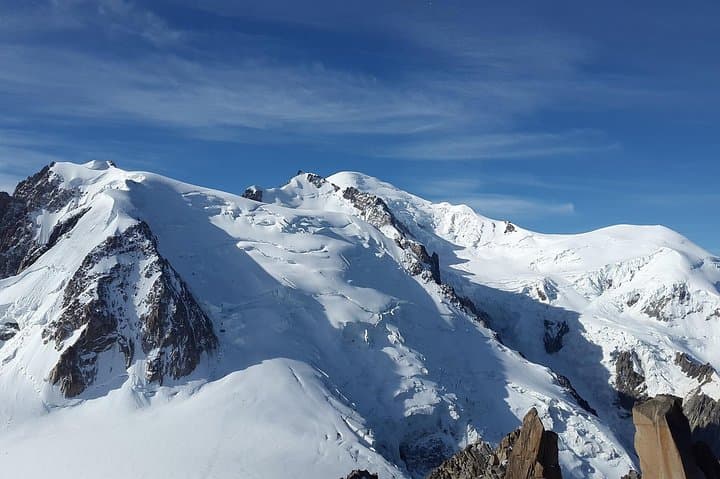
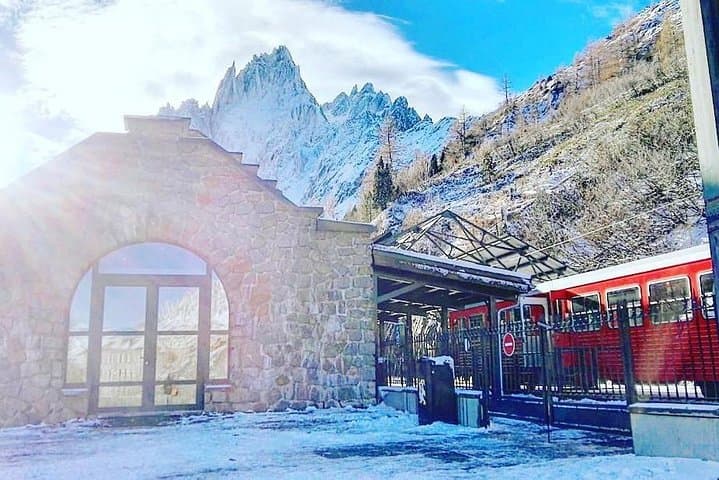
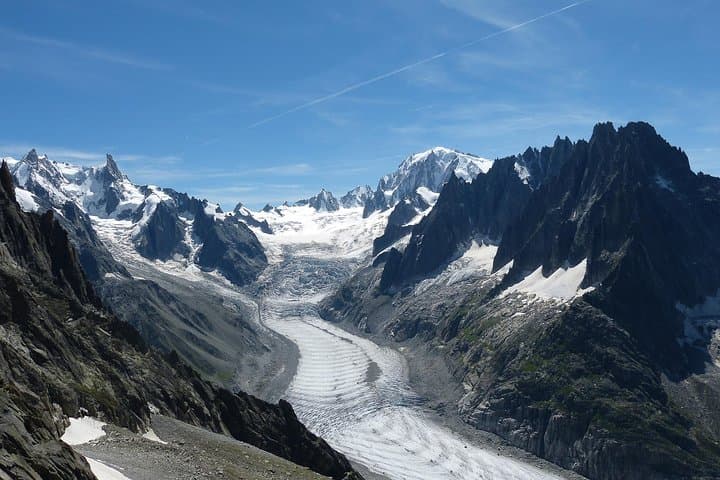
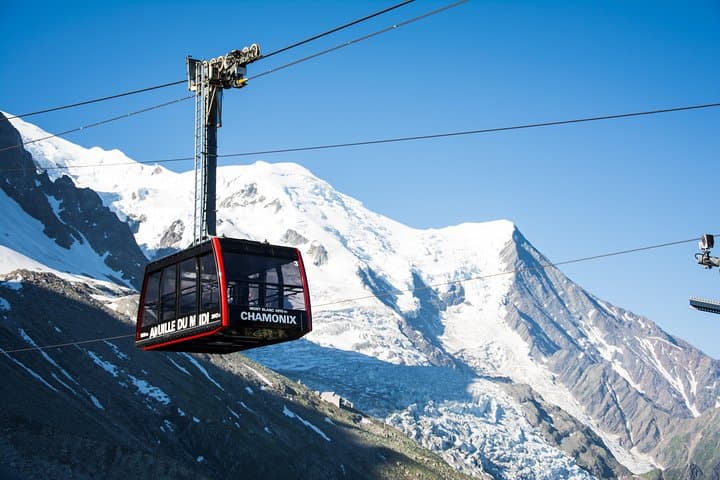
The morning air in Chamonix tastes like cold metal and possibility as the road descends into the valley and Mont Blanc looms above—sharp ridges of rock and a cap of ice that dares you to look higher. On a private sightseeing day you step from town into a moving panorama: a short village walk through cobbled streets, a cable car ascent to Aiguille du Midi for dizzying faces of the massif, and a classic rack-rail ride to Montenvers to peer into the Mer de Glace.
The morning air in Chamonix tastes like cold metal and possibility as the road descends into the valley and Mont Blanc looms above—sharp ridges of rock and a cap of ice that dares you to look higher. On a private sightseeing day you step from town into a moving panorama: a short village walk through cobbled streets, a cable car ascent to Aiguille du Midi for dizzying faces of the massif, and a classic rack-rail ride to Montenvers to peer into the Mer de Glace.
Chamonix’s rise began in 1741 when English visitors spread word of its glaciers and peaks; by the 19th century the town had become Europe’s alpine proving ground. Geologically, you’re standing on the collision zone where the African and Eurasian plates shoved rock skyward, and the Mer de Glace still carves a path down the north face of Mont Blanc.
Culturally the town mixes mountaineering history with lively cafés and technical gear shops; guides and driver-guides interpret both natural and human stories as you travel between viewpoints. Expect quick microclimates—sunlit terraces can turn to wind-scoured ledges in minutes—so timing and logistics matter.
Practical edge: aim for an early departure to beat afternoon storms and crowds on the Aiguille du Midi cable car, carry layered insulation for high-altitude temperatures, and keep your camera at hand for glacial blue and serac detail. Cable car and train operations are weather-dependent—book a private tour for flexibility, and confirm which mountain options are included before you go.