THE ADVENTURE COLLECTIVE® · Independent discovery and booking for outdoor travel

Head offshore from the mainland for a private powerboat trip to Cabbage Key and Cayo Costa—historic island dining, pristine white-sand beaches, and frequent dolphin encounters. This 4.5-hour charter combines easy beach time with natural history and reliable shelling opportunities.
Head offshore from the mainland for a private powerboat trip to Cabbage Key and Cayo Costa—historic island dining, pristine white-sand beaches, and frequent dolphin encounters. This 4.5-hour charter combines easy beach time with natural history and reliable shelling opportunities.
You push off from a small public dock and the mainland recedes: mangroves give way to open water, gulls wheel, and a dolphin’s dorsal fin cuts a line through sunlit chop. In four and a half hours you’ll visit an island restaurant frozen in mid-century Florida and an undeveloped barrier island whose white-sand beaches invite long, aimless walks and obsessive shelling.
Verified experiences and guided adventures in the surrounding area.
Operated by Captain Randi - Island Tours · Pine Island, Florida
You push off from a small public dock and the mainland recedes: mangroves give way to open water, gulls wheel, and a dolphin’s dorsal fin cuts a line through sunlit chop. In four and a half hours you’ll visit an island restaurant frozen in mid-century Florida and an undeveloped barrier island whose white-sand beaches invite long, aimless walks and obsessive shelling.
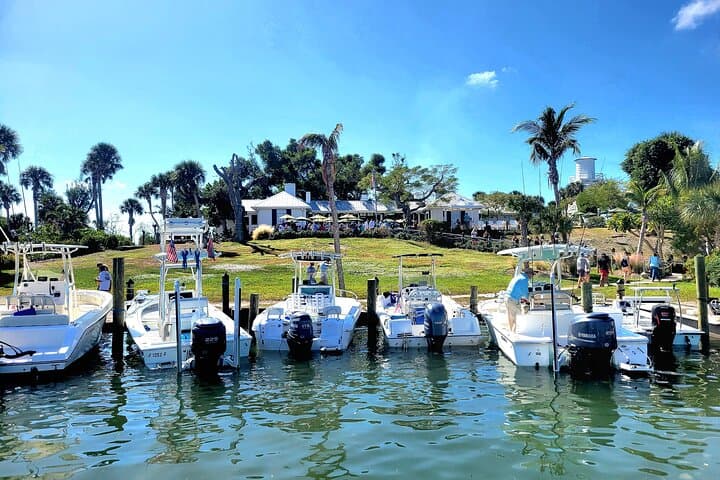
Cabbage Key’s clipped boardwalks and porch bar recall the hotel-and-inn era; archaeologists note the Calusa occupied these shores for centuries before European contact. Cayo Costa itself is a barrier island formed by littoral drift—sand moved and sorted by currents—creating long beaches and extensive shell beds. With no roads and limited facilities, the islands preserve coastal habitat: dunes, mangrove fringes, and rookeries that attract pelicans and ospreys.
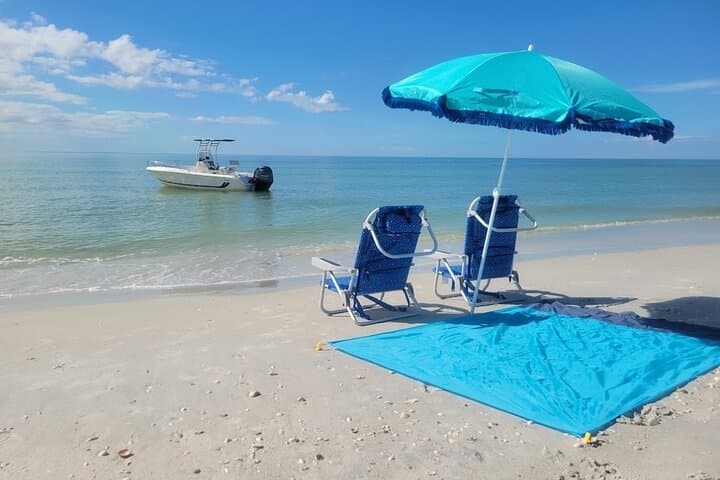
Practically, expect 4.5 hours aboard a private powerboat. The operator supplies bottled water, ice, and beach chairs; you must be able to use a swim ladder to board. Plan for sun, spray, and variable wind; flats-friendly footwear and reef-safe sunscreen are essential. Peak wildlife sightings are mid-morning or late afternoon when dolphins follow the bow and shorebirds forage along the wrack line. Shelling is best after a change in tide when the surf churns up new material, but avoid removing live shells or disturbing nesting birds and sea turtle tracks.
Bring a dry bag, hydrate, and leave time for a leisurely lunch at Cabbage Key’s restaurant—part history lesson, part salt-tinged reward.
moderate.
4–5 hours.
Moderate fitness—able to climb a swim ladder, board from low dock, and walk on uneven sand.
Meet at Lavendars Landing public dock; parking is typically available for a modest daily fee (around $10). Confirm exact lot rules with the operator.
Infants must sit on laps; guests should be able to climb a swim ladder—this trip is not recommended for those with serious spinal or heart issues.
The charter supplies bottled water, ice, and beach chairs; Cabbage Key has a restaurant where you can purchase lunch and snacks.
You can collect empty shells, but do not take live shells, disturb nests, or remove sea turtle tracks—practice leave-no-trace collection.
These islands were used by the Calusa people for centuries; the Cabbage Key inn and restaurant established in the early 20th century echo Old Florida maritime culture.
Barrier island dunes and turtle nesting beaches are fragile—avoid trampling vegetation, take only empty shells, and keep a respectful distance from wildlife.
Captain Randi - Island Tours operates guided outdoor trips and adventures with an emphasis on safety, stewardship, and memorable experiences.
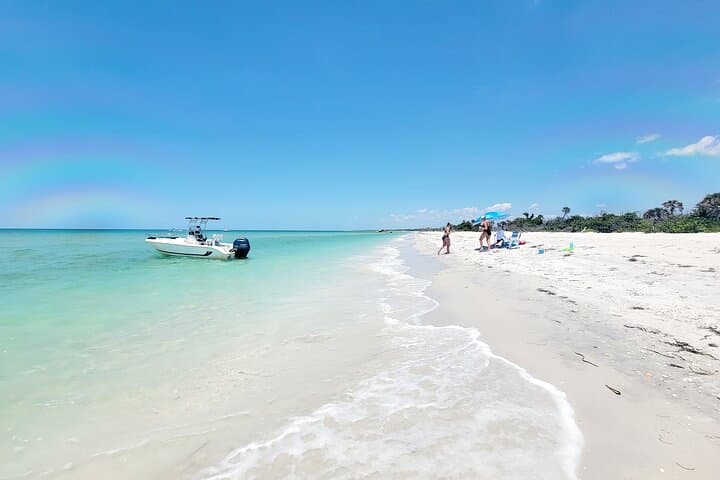
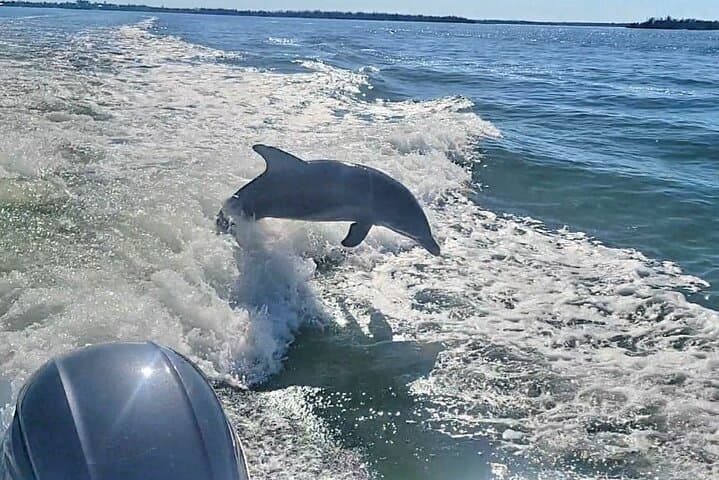
You push off from a small public dock and the mainland recedes: mangroves give way to open water, gulls wheel, and a dolphin’s dorsal fin cuts a line through sunlit chop. In four and a half hours you’ll visit an island restaurant frozen in mid-century Florida and an undeveloped barrier island whose white-sand beaches invite long, aimless walks and obsessive shelling.
You push off from a small public dock and the mainland recedes: mangroves give way to open water, gulls wheel, and a dolphin’s dorsal fin cuts a line through sunlit chop. In four and a half hours you’ll visit an island restaurant frozen in mid-century Florida and an undeveloped barrier island whose white-sand beaches invite long, aimless walks and obsessive shelling.
Cabbage Key’s clipped boardwalks and porch bar recall the hotel-and-inn era; archaeologists note the Calusa occupied these shores for centuries before European contact. Cayo Costa itself is a barrier island formed by littoral drift—sand moved and sorted by currents—creating long beaches and extensive shell beds. With no roads and limited facilities, the islands preserve coastal habitat: dunes, mangrove fringes, and rookeries that attract pelicans and ospreys.
Practically, expect 4.5 hours aboard a private powerboat. The operator supplies bottled water, ice, and beach chairs; you must be able to use a swim ladder to board. Plan for sun, spray, and variable wind; flats-friendly footwear and reef-safe sunscreen are essential. Peak wildlife sightings are mid-morning or late afternoon when dolphins follow the bow and shorebirds forage along the wrack line. Shelling is best after a change in tide when the surf churns up new material, but avoid removing live shells or disturbing nesting birds and sea turtle tracks.
Bring a dry bag, hydrate, and leave time for a leisurely lunch at Cabbage Key’s restaurant—part history lesson, part salt-tinged reward.