THE ADVENTURE COLLECTIVE® · Independent discovery and booking for outdoor travel

Spend a full day aboard a private catamaran exploring the south coast of Naxos: long sand beaches, snorkel stops in crystalline coves, and flexible routing set by the captain for comfort and safety. Read on for what to expect and how to prepare.
Spend a full day aboard a private catamaran exploring the south coast of Naxos: long sand beaches, snorkel stops in crystalline coves, and flexible routing set by the captain for comfort and safety. Read on for what to expect and how to prepare.
The catamaran slips away from Naxos port as the island shrinks to a rim of white and bronze; wind fills the sails and the Aegean opens into a wide band of sapphire. On a clear day the south coast of Naxos reveals long sand beaches, low dunes and small coves where the sea runs shallow and clear enough to read the bottom.
Verified experiences and guided adventures in the surrounding area.
Operated by BoatsAdvisor Hub&Events · Naxos (Chora), South Aegean
The catamaran slips away from Naxos port as the island shrinks to a rim of white and bronze; wind fills the sails and the Aegean opens into a wide band of sapphire. On a clear day the south coast of Naxos reveals long sand beaches, low dunes and small coves where the sea runs shallow and clear enough to read the bottom.
Geology here is simple and striking: Cycladic marble and schist give way to beaches of quartz sand and Posidonia meadows offshore that sustain fish and grazers. Naxos has been a maritime crossroads since antiquity—Venetian towers and old quarries inland speak to an island shaped by seafarers and stone-cutters. Southern villages remain low-key; fisheries and family tavernas still set the local pace.
Expect a full-day rhythm: brief safety briefing in port, a series of anchor stops for swimming and snorkeling, light snacks and drinks on board, and time ashore at a quieter stretch of Plaka or a tucked-away cove. The captain adjusts the route to wind and swell; itineraries are flexible for safety and comfort.
Practical guidance: bring reef-safe sunscreen, a hat, layered clothing for sea breezes, and a dry bag for valuables. If you’re prone to motion sickness, take medication before boarding. Photography works best mid-morning and late afternoon when light softens the limestone and the water deepens to indigo. Respect marked turtle-nesting and seagrass zones—anchoring rules protect the marine life that makes these beaches worth visiting.
easy.
9 hours (full day).
Suitable for most fitness levels; ability to climb a short ladder into the water and move on deck recommended.
Departures are from the port of Naxos (Chora); check-in and a safety briefing occur before casting off.
The trip includes bottled water, coffee/tea, soda, fresh fruits and snacks—consider bringing additional food if you prefer a larger lunch.
The operator may cancel or change the itinerary in bad weather; all sales are final but trips are rescheduled or rerouted for safety when possible.
Yes; infants must sit on an adult’s lap. The crew confirms safety briefings and life jackets appropriate for different ages.
Naxos is the largest Cycladic island with ancient marble quarries and Venetian-era settlements; its south coast supported small fishing communities tied to maritime routes.
The south coast relies on healthy Posidonia meadows and turtle nesting beaches—avoid anchoring on seagrass and pack out all waste to reduce impact.
BoatsAdvisor Hub&Events operates guided outdoor trips and adventures with an emphasis on safety, stewardship, and memorable experiences.

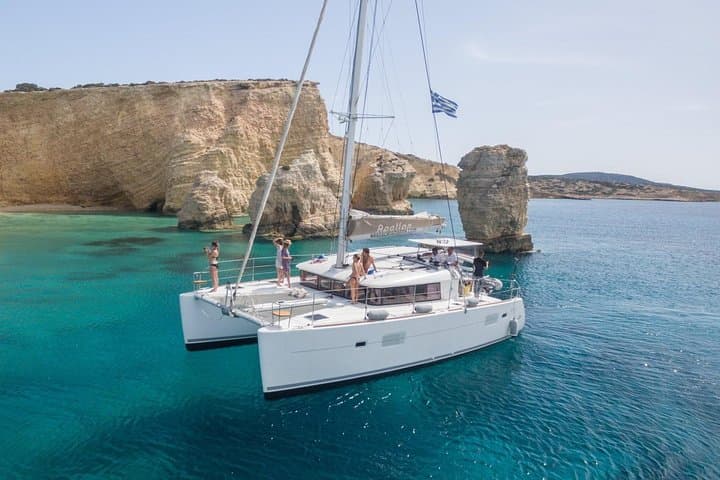
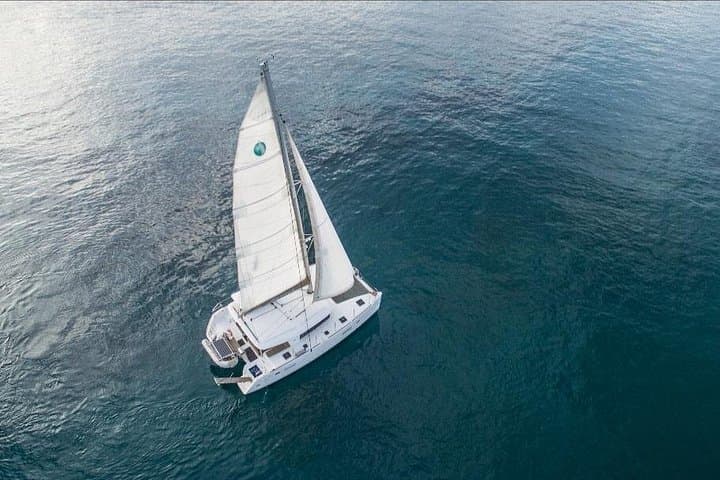
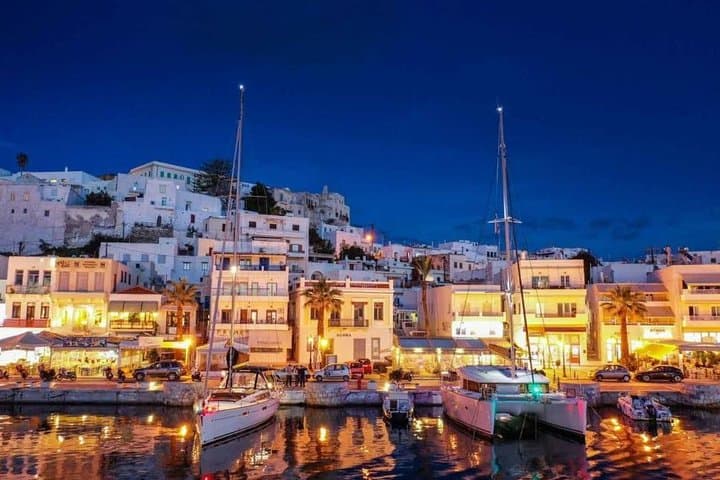
The catamaran slips away from Naxos port as the island shrinks to a rim of white and bronze; wind fills the sails and the Aegean opens into a wide band of sapphire. On a clear day the south coast of Naxos reveals long sand beaches, low dunes and small coves where the sea runs shallow and clear enough to read the bottom.
The catamaran slips away from Naxos port as the island shrinks to a rim of white and bronze; wind fills the sails and the Aegean opens into a wide band of sapphire. On a clear day the south coast of Naxos reveals long sand beaches, low dunes and small coves where the sea runs shallow and clear enough to read the bottom.
Geology here is simple and striking: Cycladic marble and schist give way to beaches of quartz sand and Posidonia meadows offshore that sustain fish and grazers. Naxos has been a maritime crossroads since antiquity—Venetian towers and old quarries inland speak to an island shaped by seafarers and stone-cutters. Southern villages remain low-key; fisheries and family tavernas still set the local pace.
Expect a full-day rhythm: brief safety briefing in port, a series of anchor stops for swimming and snorkeling, light snacks and drinks on board, and time ashore at a quieter stretch of Plaka or a tucked-away cove. The captain adjusts the route to wind and swell; itineraries are flexible for safety and comfort.
Practical guidance: bring reef-safe sunscreen, a hat, layered clothing for sea breezes, and a dry bag for valuables. If you’re prone to motion sickness, take medication before boarding. Photography works best mid-morning and late afternoon when light softens the limestone and the water deepens to indigo. Respect marked turtle-nesting and seagrass zones—anchoring rules protect the marine life that makes these beaches worth visiting.