THE ADVENTURE COLLECTIVE® · Independent discovery and booking for outdoor travel

A private catamaran departs the Formentera coast for Caló des Mort—rocky coves, clear snorkel basins and paddleboard stops away from crowded beaches. Expect guided snorkel time, an enthusiastic skipper, and a focus on low-impact anchoring.
A private catamaran departs the Formentera coast for Caló des Mort—rocky coves, clear snorkel basins and paddleboard stops away from crowded beaches. Expect guided snorkel time, an enthusiastic skipper, and a focus on low-impact anchoring.
The hull settles and the sea exhales as you slip away from the marina, warm wind pushing the catamaran toward Caló des Mort on Formentera’s southern edge.
Verified experiences and guided adventures in the surrounding area.
Operated by CharterAlia Boat Hire Formentera · Formentera, Balearic Islands
The hull settles and the sea exhales as you slip away from the marina, warm wind pushing the catamaran toward Caló des Mort on Formentera’s southern edge.
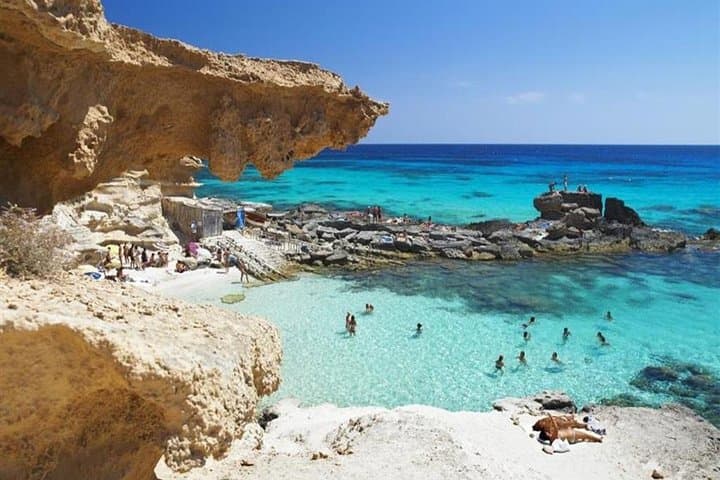
By water the island reveals its geology: low, limestone headlands scoring short coves and rocky shelves where waves carve clear basins. Caló des Mort itself is hemmed by slabs of pale rock and shallow reefs, ideal for snorkeling and small-boat anchoring away from the island’s wider beaches. Historically Formentera has been a crossroads in the western Mediterranean—Phoenicians, Romans and later islanders shaped a culture tied to salt flats, fishing and simple masonry; you can still see weathered shepherd walls and the salt pans that fed the archipelago.
On the water you’ll trade the hum of cars for gull calls and the modest roar of the engine as the skipper finds a calm cove. The turquoise here isn’t a color so much as an invitation: seagrass beds (posidonia) slope into deeper blue where fish and octopus dart; the rocks dare you to snorkel a little farther.
Practical guidance: plan for sun and reflections—reef-safe sunscreen, a hat, and polarized sunglasses help. If you’re prone to motion sickness, take remedies before boarding; the skipper will often use a dinghy to land on the rocky shore, so wear shoes that grip wet rock. Tours run about seven hours—expect anchoring, swimming, guided snorkel time, and paddleboard options. Respect marked mooring zones to protect posidonia and follow the crew’s instructions when entering and exiting the dinghy for a smooth, low-impact day on Formentera’s best secluded shore.
easy.
7 hours.
Suitable for all fitness levels; basic mobility needed for boarding a dinghy and short rock scrambles
Yes—most private catamaran trips provide snorkel equipment and often a stand-up paddleboard, but you can bring personal gear for comfort.
Yes—tours accept infants and children; operators provide infant seating on request and supervision is required by guardians while swimming.
Take an over-the-counter or prescribed remedy before boarding, sit mid-boat where motion is less, and look at the horizon; inform crew if you need assistance.
This particular operator lists all sales final, so confirm plans before booking and check weather-related cancellation terms with the provider.
Formentera’s economy historically revolved around fishing and salt production; simple stone walls and the salt pans reflect centuries of low-impact island living.
Posidonia meadows are protected—anchoring and diving practices are regulated to preserve them, so follow crew guidance and avoid touching seabed flora.
CharterAlia Boat Hire Formentera operates guided outdoor trips and adventures with an emphasis on safety, stewardship, and memorable experiences.
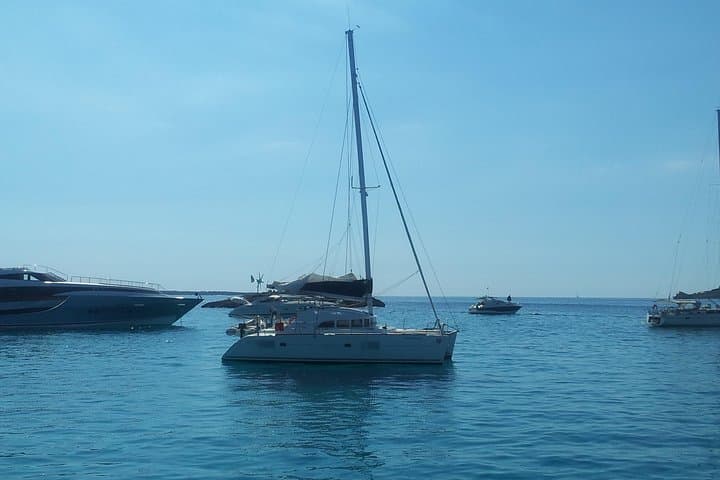
The hull settles and the sea exhales as you slip away from the marina, warm wind pushing the catamaran toward Caló des Mort on Formentera’s southern edge.
The hull settles and the sea exhales as you slip away from the marina, warm wind pushing the catamaran toward Caló des Mort on Formentera’s southern edge.
By water the island reveals its geology: low, limestone headlands scoring short coves and rocky shelves where waves carve clear basins. Caló des Mort itself is hemmed by slabs of pale rock and shallow reefs, ideal for snorkeling and small-boat anchoring away from the island’s wider beaches. Historically Formentera has been a crossroads in the western Mediterranean—Phoenicians, Romans and later islanders shaped a culture tied to salt flats, fishing and simple masonry; you can still see weathered shepherd walls and the salt pans that fed the archipelago.
On the water you’ll trade the hum of cars for gull calls and the modest roar of the engine as the skipper finds a calm cove. The turquoise here isn’t a color so much as an invitation: seagrass beds (posidonia) slope into deeper blue where fish and octopus dart; the rocks dare you to snorkel a little farther.
Practical guidance: plan for sun and reflections—reef-safe sunscreen, a hat, and polarized sunglasses help. If you’re prone to motion sickness, take remedies before boarding; the skipper will often use a dinghy to land on the rocky shore, so wear shoes that grip wet rock. Tours run about seven hours—expect anchoring, swimming, guided snorkel time, and paddleboard options. Respect marked mooring zones to protect posidonia and follow the crew’s instructions when entering and exiting the dinghy for a smooth, low-impact day on Formentera’s best secluded shore.