THE ADVENTURE COLLECTIVE® · Independent discovery and booking for outdoor travel

Skip the subway scramble and see Xi'an on your schedule. This eight-hour private car tour links the Terracotta Army with city highlights — the City Wall, Big Wild Goose Pagoda and the bustling Muslim Quarter — with an English-speaking driver and flexible stops.
Skip the subway scramble and see Xi'an on your schedule. This eight-hour private car tour links the Terracotta Army with city highlights — the City Wall, Big Wild Goose Pagoda and the bustling Muslim Quarter — with an English-speaking driver and flexible stops.
Morning light slips over low, yellow loess and the city wakes beneath the sweep of the Xi'an City Wall — broad bricks that once watched armies and traders move along the Silk Road. On an eight-hour private car tour, travelers trade crowded subways for a quiet backseat and an English-speaking driver who opens the city on their schedule: a sunrise photo stop on the wall, the carved tiers of the Terracotta Army, then lunch in the pulse of the Muslim Quarter.
Verified experiences and guided adventures in the surrounding area.
Operated by Xi'an China travel service · Xi'an, Shaanxi
Morning light slips over low, yellow loess and the city wakes beneath the sweep of the Xi'an City Wall — broad bricks that once watched armies and traders move along the Silk Road. On an eight-hour private car tour, travelers trade crowded subways for a quiet backseat and an English-speaking driver who opens the city on their schedule: a sunrise photo stop on the wall, the carved tiers of the Terracotta Army, then lunch in the pulse of the Muslim Quarter.
Xi'an was Chang'an, a capital for dynasties that shaped China’s early imperial map and launched the Silk Road. The Terracotta Army (Late 3rd century BCE) guards Qin Shi Huang's mausoleum; nearby, Han Yangling reveals Western Han burial practices. The Big Wild Goose Pagoda speaks to Tang-era Buddhism and the transcontinental flow of manuscripts that passed through this plain of silty loess and rivers that push sediments westward.
Culturally, the route threads faith, imperial patronage, and foodways — stir-fried noodles beside centuries-old minarets in the Muslim Quarter. Archaeological sites manage fragile deposits carefully; visitors should stay on paths and respect display boundaries.
Practically: eight hours typically covers two major sites and city highlights; admissions usually aren’t included so buy tickets in advance or ask the driver to book them. Bring comfortable walking shoes, a sun layer and a reusable water bottle. Start early to avoid peak heat and the largest tour groups, and confirm pickup details, flight numbers or hotel locations when booking. The private car format is ideal for mixed-ability groups and families wanting efficient, accessible sightseeing without the scramble of public transit.
easy.
8 hours.
Suitable for most fitness levels; some standing and walking at sites required
Admissions are typically not included; the operator offers advanced ticket booking but verify at booking and plan for separate entry fees.
Yes — the service lists wheelchair accessibility, stroller access and infant seats; confirm specific vehicle needs when booking.
Expect several short drives between central Xi'an and peripheral sites like the Terracotta Army (≈35 km east) and Han Yangling (north suburbs) within an eight-hour window.
Drivers are English-speaking and can provide local insights, but for in-depth archaeological interpretation you may want to hire a certified guide at major sites.
Xi'an (ancient Chang'an) was a political and cultural capital for multiple dynasties and a terminus of the Silk Road; the Terracotta Army dates to Qin Shi Huang’s 3rd-century BCE mausoleum.
Major sites are managed to protect fragile artifacts and loess soils; visitors should stay on marked paths, avoid flash photography where prohibited, and follow site rules to minimize wear.
Xi'an China travel service operates guided outdoor trips and adventures with an emphasis on safety, stewardship, and memorable experiences.
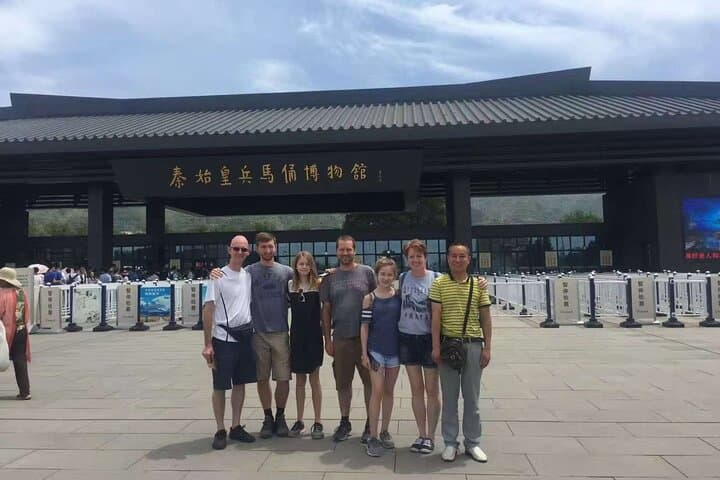
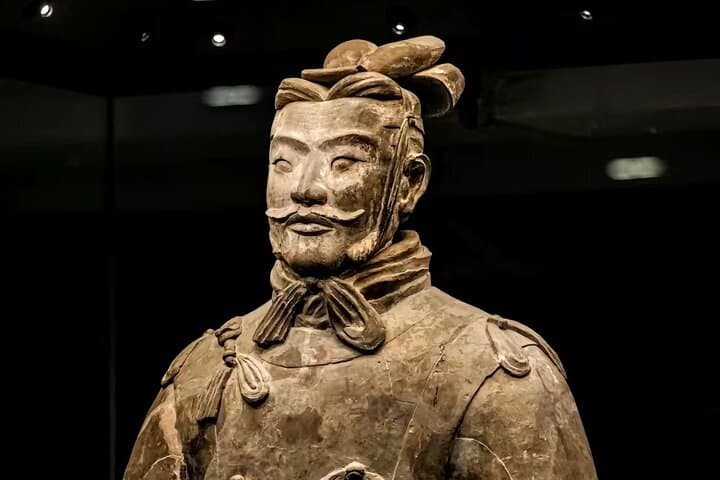
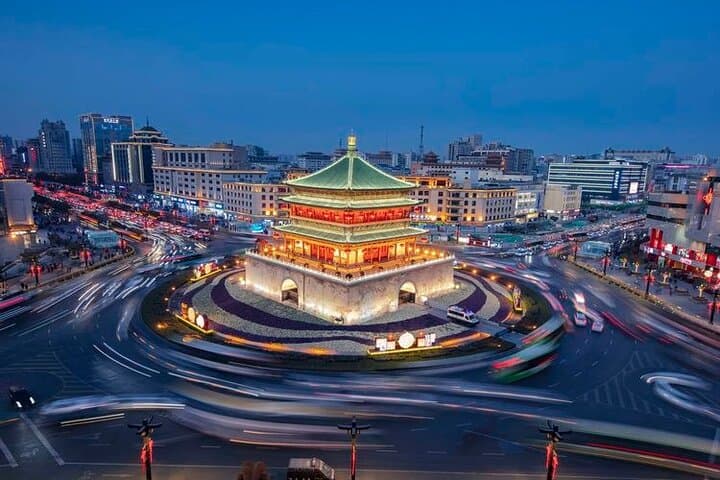
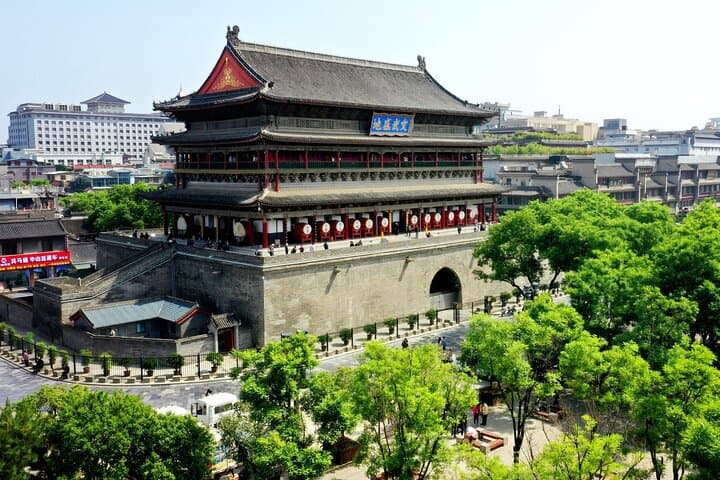
Morning light slips over low, yellow loess and the city wakes beneath the sweep of the Xi'an City Wall — broad bricks that once watched armies and traders move along the Silk Road. On an eight-hour private car tour, travelers trade crowded subways for a quiet backseat and an English-speaking driver who opens the city on their schedule: a sunrise photo stop on the wall, the carved tiers of the Terracotta Army, then lunch in the pulse of the Muslim Quarter.
Morning light slips over low, yellow loess and the city wakes beneath the sweep of the Xi'an City Wall — broad bricks that once watched armies and traders move along the Silk Road. On an eight-hour private car tour, travelers trade crowded subways for a quiet backseat and an English-speaking driver who opens the city on their schedule: a sunrise photo stop on the wall, the carved tiers of the Terracotta Army, then lunch in the pulse of the Muslim Quarter.
Xi'an was Chang'an, a capital for dynasties that shaped China’s early imperial map and launched the Silk Road. The Terracotta Army (Late 3rd century BCE) guards Qin Shi Huang's mausoleum; nearby, Han Yangling reveals Western Han burial practices. The Big Wild Goose Pagoda speaks to Tang-era Buddhism and the transcontinental flow of manuscripts that passed through this plain of silty loess and rivers that push sediments westward.
Culturally, the route threads faith, imperial patronage, and foodways — stir-fried noodles beside centuries-old minarets in the Muslim Quarter. Archaeological sites manage fragile deposits carefully; visitors should stay on paths and respect display boundaries.
Practically: eight hours typically covers two major sites and city highlights; admissions usually aren’t included so buy tickets in advance or ask the driver to book them. Bring comfortable walking shoes, a sun layer and a reusable water bottle. Start early to avoid peak heat and the largest tour groups, and confirm pickup details, flight numbers or hotel locations when booking. The private car format is ideal for mixed-ability groups and families wanting efficient, accessible sightseeing without the scramble of public transit.