THE ADVENTURE COLLECTIVE® · Independent discovery and booking for outdoor travel

Customize your own private 1–2 day tour through Cappadocia’s lunar valleys, cave churches and underground cities. A local guide and private minibus take care of logistics while you decide which highlights to explore.
Customize your own private 1–2 day tour through Cappadocia’s lunar valleys, cave churches and underground cities. A local guide and private minibus take care of logistics while you decide which highlights to explore.
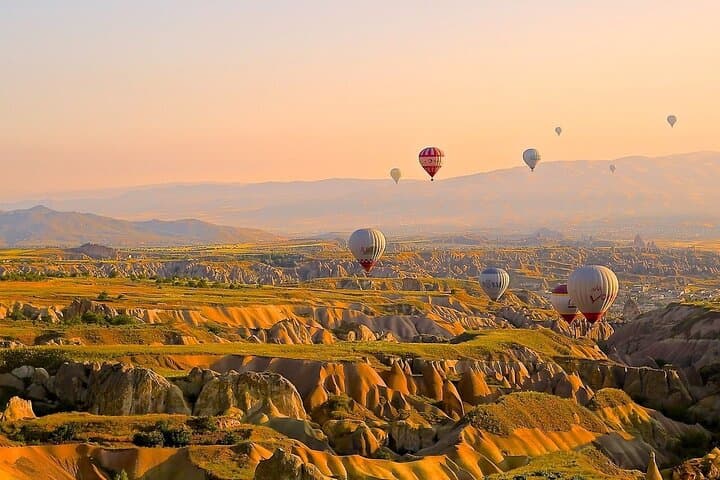
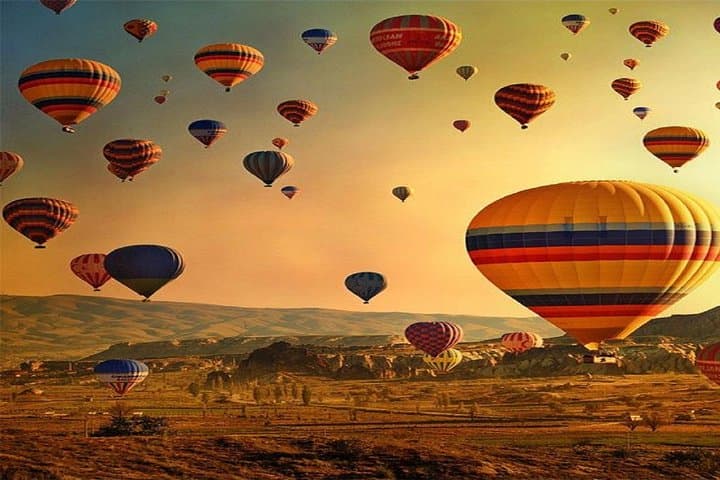
The minibus eases out of Göreme as the low morning sun picks out the ridges and the first hot-air balloons float like slow planets above the valleys. Your guide sketches a loose plan—one you can rewrite—then points to the strange skyline where columns of pale rock, capped by darker basalt, stand like a city of stone. This is Cappadocia: a working landscape of volcanic tuff, carved by wind and water, then hollowed by people who learned to live inside the rock.
Verified experiences and guided adventures in the surrounding area.
Operated by Moira Travel Agency · Göreme, Nevşehir
The minibus eases out of Göreme as the low morning sun picks out the ridges and the first hot-air balloons float like slow planets above the valleys. Your guide sketches a loose plan—one you can rewrite—then points to the strange skyline where columns of pale rock, capped by darker basalt, stand like a city of stone. This is Cappadocia: a working landscape of volcanic tuff, carved by wind and water, then hollowed by people who learned to live inside the rock.
Geology explains the show. Millions of years of ash and lava compacted into soft tuff; harder basalt resisted erosion, producing the cone-and-cap formations known as fairy chimneys. At about 1,000–1,200 meters above sea level the plateau’s microclimates shaped local agriculture and architecture, and those same soft layers made it possible for generations to carve churches, cellars and entire underground towns into the hills.
History and culture are close at hand. In Göreme Open-Air Museum you walk corridors lined with Byzantine frescoes—10th to 12th century pigments that survive because they were sheltered inside rock. Kaymaklı’s underground city reveals eight levels of life below ground: stables, kitchens, chapels and ventilation shafts that kept air moving when people hid from invaders. Avanos still throws clay the same way craftsmen did in Hittite times; a pottery workshop visit doubles as cultural context and a hands-on souvenir opportunity.
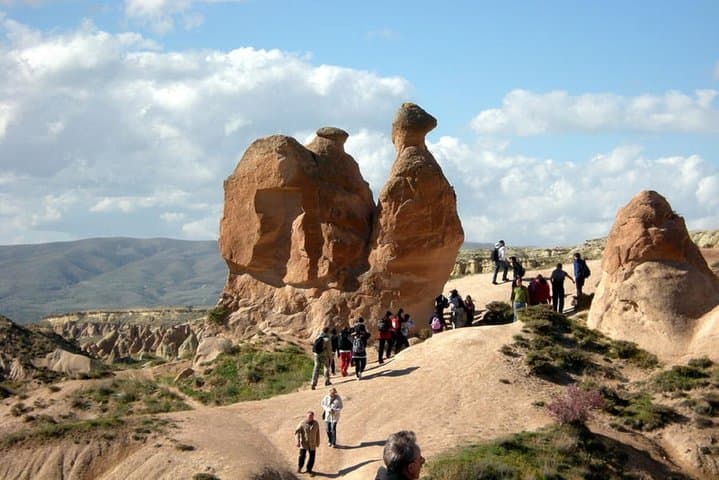
A private tour delivers flexibility: Paşabağ (Monks Valley) and Devrent’s sculpted forms are best scented with a late-morning breeze, while Uçhisar Castle gives one of the clearest panoramic reads of the landscape when the sun drops. Guides lock the logistics—parking, local stories, and choices about which paid sites to enter—leaving you to pick what matters.
Practical guidance: expect walking of 1–3 km at each stop, mostly on uneven rock trails and paved village lanes. Kaymaklı features low, sloping passages and stairs; mobility concerns should be discussed when booking. Entrance fees to museums and underground cities are typically not included, so bring local currency or card. Hydrate: Cappadocia sits on a semi-arid plateau and summer sun can be intense; a 1–2 day private tour is best paced with shade stops and a late afternoon finish to avoid the hottest hours.
Timing and gear matter: early starts catch balloon activity and softer light; late afternoons thin tour crowds. If you have limited time, prioritize the Göreme Open-Air Museum, Paşabağ and one underground city. For quieter moments, detour to a pottery studio in Avanos or a short hike from Çavuşin into Rose Valley. Above all, leave the site as you found it: these carved walls are fragile and protected—stay on marked paths and respect the frescoed interiors.
moderate.
7–15 hours.
Suitable for travelers with average fitness; involves short hikes, stairs and some narrow underground passages.
No—entrance fees to places like Göreme Open-Air Museum and Kaymaklı underground city are typically not included; plan to pay on site.
The operator lists wheelchair-accessible options and hotel pickup; however, sites like Kaymaklı have narrow stairways—discuss specific needs before booking so the guide can plan accessible alternatives.
Yes—pickup from hotels across the Cappadocia area (Göreme, Avanos, Uçhisar, Ürgüp, Nevşehir) is offered; private tours allow customized pickup times.
Yes—this is a private tour with a driver and licensed guide; you can choose a 1- or 2-day itinerary tailored to your interests.
No—balloon rides are separate experiences booked through specialized operators; your guide can advise on providers and logistics but the cost is not part of this tour.
Tipping is customary but discretionary; if you enjoyed the service, 10–15% split between guide and driver is a common practice.
Cappadocia’s cave churches and underground cities grew from volcanic tuff that was soft enough to carve; Byzantine monastic communities left frescoes that still survive in sheltered interiors.
Tourism pressures mean fragile frescoes and rock surfaces are vulnerable—follow marked paths, avoid touching frescoes, and support local artisans and small businesses to keep tourism sustainable.
Moira Travel Agency operates guided outdoor trips and adventures with an emphasis on safety, stewardship, and memorable experiences.
The minibus eases out of Göreme as the low morning sun picks out the ridges and the first hot-air balloons float like slow planets above the valleys. Your guide sketches a loose plan—one you can rewrite—then points to the strange skyline where columns of pale rock, capped by darker basalt, stand like a city of stone. This is Cappadocia: a working landscape of volcanic tuff, carved by wind and water, then hollowed by people who learned to live inside the rock.
The minibus eases out of Göreme as the low morning sun picks out the ridges and the first hot-air balloons float like slow planets above the valleys. Your guide sketches a loose plan—one you can rewrite—then points to the strange skyline where columns of pale rock, capped by darker basalt, stand like a city of stone. This is Cappadocia: a working landscape of volcanic tuff, carved by wind and water, then hollowed by people who learned to live inside the rock.
Geology explains the show. Millions of years of ash and lava compacted into soft tuff; harder basalt resisted erosion, producing the cone-and-cap formations known as fairy chimneys. At about 1,000–1,200 meters above sea level the plateau’s microclimates shaped local agriculture and architecture, and those same soft layers made it possible for generations to carve churches, cellars and entire underground towns into the hills.
History and culture are close at hand. In Göreme Open-Air Museum you walk corridors lined with Byzantine frescoes—10th to 12th century pigments that survive because they were sheltered inside rock. Kaymaklı’s underground city reveals eight levels of life below ground: stables, kitchens, chapels and ventilation shafts that kept air moving when people hid from invaders. Avanos still throws clay the same way craftsmen did in Hittite times; a pottery workshop visit doubles as cultural context and a hands-on souvenir opportunity.
A private tour delivers flexibility: Paşabağ (Monks Valley) and Devrent’s sculpted forms are best scented with a late-morning breeze, while Uçhisar Castle gives one of the clearest panoramic reads of the landscape when the sun drops. Guides lock the logistics—parking, local stories, and choices about which paid sites to enter—leaving you to pick what matters.
Practical guidance: expect walking of 1–3 km at each stop, mostly on uneven rock trails and paved village lanes. Kaymaklı features low, sloping passages and stairs; mobility concerns should be discussed when booking. Entrance fees to museums and underground cities are typically not included, so bring local currency or card. Hydrate: Cappadocia sits on a semi-arid plateau and summer sun can be intense; a 1–2 day private tour is best paced with shade stops and a late afternoon finish to avoid the hottest hours.
Timing and gear matter: early starts catch balloon activity and softer light; late afternoons thin tour crowds. If you have limited time, prioritize the Göreme Open-Air Museum, Paşabağ and one underground city. For quieter moments, detour to a pottery studio in Avanos or a short hike from Çavuşin into Rose Valley. Above all, leave the site as you found it: these carved walls are fragile and protected—stay on marked paths and respect the frescoed interiors.